
Identifying When Your Kidneys Require Detoxification and Restorative Care
Recognize early signs of kidney problems, including frequent urination, blood in urine, swelling, and fatigue. Learn effective lifestyle strategies to support kidney health, prevent damage, and maintain optimal organ function, emphasizing the importance of routine check-ups and proactive care for long-term wellness.
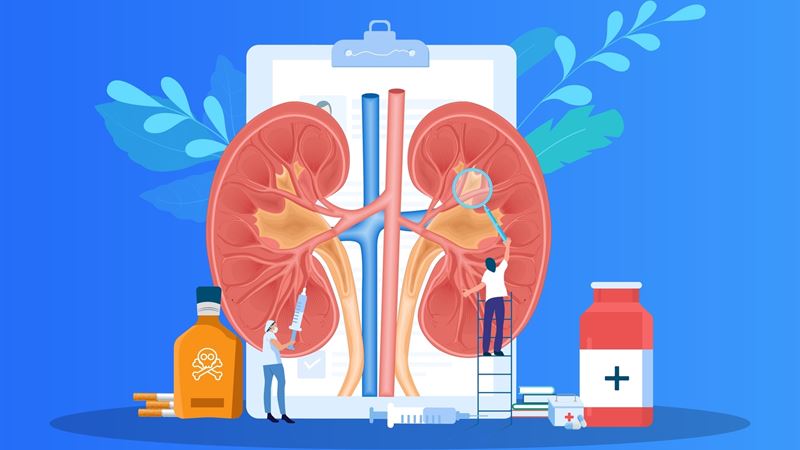
Understanding the importance of kidney health and the symptoms of potential problems can empower you to seek medical advice early. Below, we explore common warning signs that your kidneys might need cleansing or professional attention, as well as effective ways to support their health through lifestyle choices and routine care.
Frequent Urination and Nocturia
One of the initial indicators of kidney issues is experiencing a sudden increase in urination frequency, especially noticeable at night, a condition known as nocturia. This symptom occurs because compromised kidneys may struggle to concentrate urine effectively, leading to more frequent urination. While urinary frequency can also be associated with conditions like diabetes or urinary tract infections, persistent nocturia warrants a thorough examination of kidney function.
Presence of Blood in Urine
Hematuria, or blood appearing in the urine, is a serious marker of kidney health problems. Normally, healthy kidneys prevent blood cells from leaking into urine. However, when kidney filters are damaged, blood may pass into urine, signaling the need for medical assessment. Detecting blood in urine should prompt immediate consultation with a healthcare professional to diagnose the underlying cause.
Edema: Swelling of Legs, Ankles, and Feet
Kidneys maintain fluid balance by excreting excess water from the body. When they malfunction, this balance is disrupted, leading to fluid retention. Consequently, swelling, known as edema, can become prominent in parts of the body such as the legs, ankles, and feet. Persistent swelling not only causes discomfort but also indicates impairments in kidney filtration that require attention.
Puffy or Swollen Eyes
Another early sign of kidney problems is puffy eyes, often noticeable in the mornings. This symptom results from protein leakage into urine due to damaged kidney membranes. Loss of protein in the urine reduces the body's ability to retain essential nutrients, leading to fluid buildup around the eyes and face.
Dry, Itchy Skin and Complexion Changes
The kidneys help regulate mineral and nutrient levels in the bloodstream. When their function declines, waste products build up, leading to dry, itchy, and unhealthy skin. Skin changes can serve as external cues of internal imbalance, emphasizing the importance of monitoring kidney health to prevent complications.
Sleep Disturbances and Restless Nights
Impaired kidney function can cause an accumulation of toxins in the blood, which may interfere with sleep quality. Toxins and waste buildup can lead to insomnia and restless nights, diminishing overall health and energy levels. Restoring kidney function can often improve sleep patterns significantly.
Loss of Appetite and Unusual Metallic Taste
When kidneys are unable to filter waste properly, toxins may circulate in the blood, altering taste sensations and causing a metallic or bitter flavor in the mouth. Additionally, impaired kidney health can lead to nausea and a decreased desire to eat, which can contribute to nutritional deficiencies if not addressed promptly.
Hypertension and Blood Pressure Regulation
Healthy kidneys play a crucial role in controlling blood pressure by managing sodium balance and releasing the enzyme renin. Dysfunction in kidney tissues can disrupt this regulation, leading to high blood pressure, which in turn worsens kidney damage, creating a harmful cycle. Managing blood pressure is vital in maintaining kidney health and preventing progression of disease.
Muscle Cramps and Electrolyte Imbalances
Electrolyte disturbances caused by compromised kidney function—such as low calcium levels or high phosphorus—can induce muscle cramps, spasms, and weakness. These symptoms are often signs of underlying mineral imbalance that requires medical correction through medications or dietary adjustments.
Nausea and Gastrointestinal Discomfort
As waste substances accumulate in the bloodstream due to declining kidney filtration, individuals may experience nausea, vomiting, and general gastrointestinal discomfort. These symptoms are common in advanced stages of kidney impairment and emphasize the need for medical intervention.
Ways to Maintain and Improve Kidney Health
If you notice symptoms suggestive of kidney issues or want to prevent future problems, consider integrating these lifestyle habits into your daily routine:
- Stay Hydrated: Drinking adequate amounts of water facilitates the kidneys' ability to flush out toxins, sodium, and waste products effectively. Proper hydration also supports blood circulation and overall organ function.
- Adopt a Balanced Diet: Consume a diet abundant in fresh fruits, vegetables, and whole grains. Limiting salt intake, processed foods, sugar, and unhealthy fats can reduce the strain on your kidneys and help maintain their optimal performance.
- Exercise Regularly: Engaging in consistent physical activity enhances cardiovascular health, helps control blood pressure, and reduces the risk of diabetes—all of which are risk factors for kidney disease.
- Avoid Smoking and Excessive Alcohol Consumption: Both smoking and heavy alcohol use can accelerate kidney damage over time. Quitting smoking and moderating alcohol intake are essential steps toward preserving renal health.
- Routine Medical Screenings: Regular check-ups, including blood pressure measurement and kidney function tests, are crucial, especially if you have pre-existing conditions like hypertension or diabetes. Early detection can significantly improve treatment outcomes.
Taking proactive steps can substantially lower your risk of developing kidney problems or slow down existing decline. Early diagnosis and lifestyle adjustments are some of the most effective ways to safeguard your kidney health.
Always consult healthcare professionals if you observe persistent symptoms or have concerns about your kidney function. Proper management and early intervention are key to maintaining overall health, as kidneys play a vital role in detoxification, fluid regulation, and mineral balance. Protecting your kidneys today ensures a healthier tomorrow.