
Comprehensive Guide to Protecting Kidney Health Through a Nutritious Diet Plan
Discover the ultimate guide to maintaining kidney health through a balanced diet. Learn about nutrient-rich fruits, vegetables, and lifestyle tips that can prevent kidney disease and support organ function. Tailored diet plans like the DASH and renal diet are highlighted, alongside practical advice for daily habits, hydration, and mental wellness. Empower yourself with knowledge to promote lifelong kidney health and avoid costly treatments. This comprehensive resource offers actionable steps to incorporate kidney-friendly foods and lifestyle choices for a healthier, vibrant life.
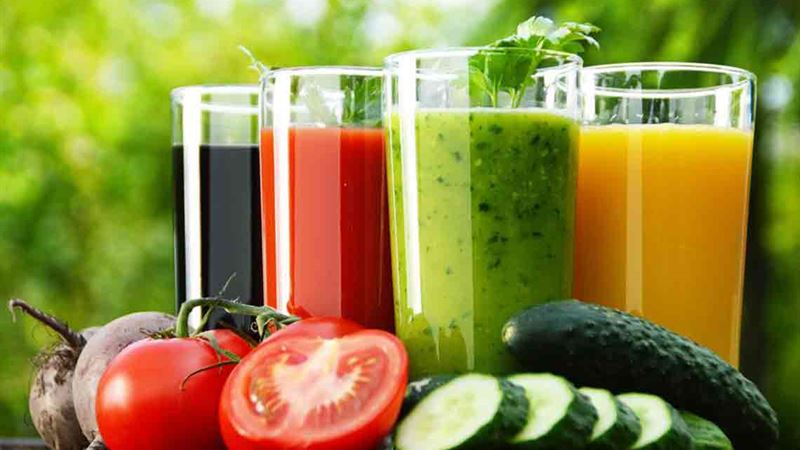
Here are some fundamental fruits and vegetables that are beneficial for kidney health, to be incorporated thoughtfully into your daily intake:
- Red Bell Peppers
Red bell peppers are not only colorful and flavorful but also low in potassium, making them suitable for kidney-conscious diets. They are rich in nutrients including vitamins A, C, B6, folic acid, and dietary fiber. Their vibrant hue owes much to lycopene, a powerful antioxidant that helps protect cells from oxidative stress and reduces cancer risks. These peppers can be consumed raw in salads, sliced into sandwiches, or grilled as snacks, offering versatility and health benefits.
- Cabbage
Cabbage stands out as one of nature’s most nutrient-dense greens. Loaded with phytochemicals such as glucosinolates and indoles, it fights free radicals and lowers inflammation. High in vitamins C, K, B6, and folic acid, cabbage supports immune function and cardiovascular health. Culinary uses are diverse: prepare it as cabbage rolls, shred it for salads, or sauté it as a side dish—each method preserves its health benefits while adding flavor to your meals.
- Cauliflower
This cruciferous vegetable is celebrated for its rich content of dietary fiber and folate. Cauliflower contains bioactive compounds like indoles, glucosinolates, and thiocyanates, which aid the detoxification processes within the liver and kidneys. Regular consumption helps eliminate toxins, support renal function, and improve liver health. It can be boiled, steamed, or roasted, and incorporated into various recipes including soups, casseroles, or salads, making it a versatile addition to your diet.
- Garlic
Often dubbed a superfood, garlic is renowned for its health-enhancing properties. It contains allicin and other sulfur compounds that lower cholesterol levels, fight bacterial infections, and reduce inflammation. For kidney health, adding raw garlic to your meals or preparing garlic-infused oils and sauces can be especially beneficial. Garlic not only boosts immunity but also contributes to maintaining healthy blood pressure levels important for kidney function.
- Apples
The adage “an apple a day keeps the doctor away” holds true for kidney health. Apples are packed with dietary fiber, antioxidants, and phytochemicals that help regulate blood sugar, lower cholesterol, and combat oxidative stress. Their role in preventing kidney impairment is well noted; you can enjoy apples as fresh fruit, in sauces, pies, or even as juices or smoothies—each serving helps promote kidney cleansing and overall health.
**Healthy Kidney Diet Approaches**
Creating a kidney-friendly diet involves choosing the right combinations of nutrients tailored to individual health conditions. Consulting with a registered dietitian or nutritionist helps design personalized plans based on specific needs, whether for early prevention or managing kidney disease. Here are two highly recommended dietary approaches:
- The DASH Diet (Dietary Approaches to Stop Hypertension)
Recognized worldwide for its effectiveness in lowering blood pressure, the DASH diet is also advantageous for kidney health. It emphasizes fruits, vegetables, whole grains, lean proteins, and limits saturated fats and sugars. Its flexibility and nutritional richness make it a top choice for preventing kidney damage linked to hypertension.
- The Renal Diet
Designed specifically for people with existing kidney issues, the renal diet focuses on reducing waste buildup by limiting sodium, potassium, and phosphorus intake. The diet recommends high-quality proteins like egg whites and specific fish species while restricting processed foods and foods high in phosphorus salts. It balances essential nutrients while preventing further kidney strain.
Final Thoughts
Starting a kidney-healthy diet involves a positive mindset and commitment to lifestyle changes. Adopting a balanced, nutrient-rich diet supports renal function and can slow or halt the progression of kidney disease. It’s essential to incorporate a variety of colorful fruits and vegetables, control salt and protein intake, and include healthy fats in your meals. Additionally, mindful hydration, regular physical activity, and mental well-being play core roles in sustaining kidney health.
Engaging in stress-relieving activities such as meditation, art therapy, or martial arts like Qigong or Tai Chi enhances emotional health and can indirectly benefit renal function. Remember, clean eating habits and lifestyle modifications are crucial in preventing the need for dialysis and more invasive treatments. Maintaining hydration, proper bowel movements, and limiting alcohol and processed foods all contribute significantly to the detoxification and health of your kidneys.
In conclusion, an integrated approach combining diet, exercise, mental health, and routine check-ups paves the way for a healthier renal system. Prioritize natural, wholesome foods and stay proactive in your health journey for a vibrant, disease-free life with strong kidneys.