
Essential Nutrition Strategies for Managing Kidney Health and Disease
This comprehensive guide provides in-depth strategies for managing kidney health through diet. It covers sodium restriction, balanced protein intake, choosing heart- and kidney-friendly foods, managing mineral levels, and avoiding harmful beverages. Following these expert tips can help slow disease progression, improve quality of life, and support overall wellness. Learn practical advice to nourish your kidneys safely and enjoy a flavorful diet tailored to your health needs.
Managing kidney health requires careful attention to diet, as certain foods can either help support kidney function or exacerbate existing issues. A well-structured dietary plan is vital for individuals with kidney disease or those at risk. This comprehensive guide explores essential nutritional tips, including sodium control, appropriate protein intake, choosing kidney-friendly foods, and managing potassium and phosphorus levels. Following these guidelines can significantly improve quality of life, slow disease progression, and promote overall health. Let's delve into practical strategies for safeguarding your kidneys through optimal nutrition.
Maintaining a balanced diet is crucial for preserving kidney function and preventing disease progression. The focus should be on reducing sodium intake, moderating protein consumption, selecting heart- and kidney-friendly foods, and managing mineral levels such as potassium and phosphorus. Each of these components plays a vital role in minimizing strain on the kidneys and supporting overall cardiovascular health. By understanding these key dietary principles, you can make informed choices that promote long-term wellness. Additionally, avoiding harmful foods like excessive processed items and sugary drinks further safeguards kidney health.
Sodium Reduction and Its Impact on Kidney Health
Excessive sodium in your diet can lead to numerous health complications, especially for individuals with kidney problems. High sodium intake often results in fluid retention, swelling of the lower limbs, increased blood pressure, breathing difficulties, and additional stress on the heart and lungs. To protect your kidneys and cardiovascular system, it's essential to limit sodium consumption. An ideal target is to keep sodium within 400 milligrams per meal, but this requires diligent label checking and dietary planning. Here are detailed recommendations to help manage sodium intake effectively:
Excessive sodium in your diet can lead to numerous health complications, especially for individuals with kidney problems. High sodium intake often results in fluid retention, swelling of the lower limbs, increased blood pressure, breathing difficulties, and additional stress on the heart and lungs. To protect your kidneys and cardiovascular system, it's essential to limit sodium consumption. An ideal target is to keep sodium within 400 milligrams per meal, but this requires diligent label checking and dietary planning. Here are detailed recommendations to help manage sodium intake effectively:
- Always check food labels to identify high-sodium products. Many processed and packaged foods contain hidden salt, which can quickly add up.
- Control portion sizes to reduce overall sodium consumption. Smaller servings naturally contain less salt.
- Prefer fresh, whole foods over processed or frozen options. Fresh meats, vegetables, and fruits contain minimal added salt.
- Choose fruits and vegetables canned without added salt or opt for fresh produce whenever possible.
- Replace salt with herbs and spices such as garlic powder, onion powder, dill, basil, and pepper to enhance flavor without sodium.
- Cook meals at home from scratch to maintain control over salt content, avoiding the excess often found in restaurant or takeout dishes.
Managing Protein Intake for Kidney Safety
Protein is an essential nutrient, but excessive consumption can place undue stress on compromised kidneys. In kidney disease, moderation is key. The goal is to include sufficient protein to maintain health without overloading the kidneys’ filtering capacity. It's advisable to consult with a nutritionist for personalized guidance, but general principles include:
Protein is an essential nutrient, but excessive consumption can place undue stress on compromised kidneys. In kidney disease, moderation is key. The goal is to include sufficient protein to maintain health without overloading the kidneys’ filtering capacity. It's advisable to consult with a nutritionist for personalized guidance, but general principles include:
- Limit animal proteins such as chicken, fish, lean meats, and eggs to about two to three ounces per serving. Incorporate these mainly in cooked forms like grilling, baking, or steaming.
- Include dairy products with low or no fat, such as skim milk, yogurt, and cheese, in moderate amounts.
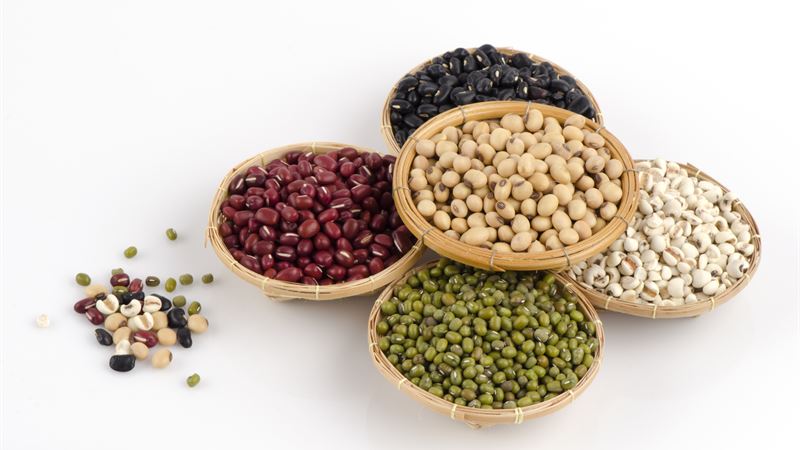
- Emphasize plant-based proteins, which are easier on the kidneys, including beans, lentils, nuts, and grains. For example, a quarter-cup serving of nuts or half a cup of cooked beans can be beneficial.
- Combine plant and animal proteins prudently to achieve a balanced diet tailored for kidney health.
Choosing Heart- and Kidney-Friendly Foods
A slow metabolism and fat accumulation in vital organs can worsen kidney functions and contribute to cardiovascular complications. Therefore, selecting foods low in saturated and trans fats is crucial. Favor cooking methods such as grilling, roasting, steaming, or stir-frying with minimal oil—preferably olive oil—to reduce unhealthy fat intake. Specific foods beneficial for heart and kidney health include:
A slow metabolism and fat accumulation in vital organs can worsen kidney functions and contribute to cardiovascular complications. Therefore, selecting foods low in saturated and trans fats is crucial. Favor cooking methods such as grilling, roasting, steaming, or stir-frying with minimal oil—preferably olive oil—to reduce unhealthy fat intake. Specific foods beneficial for heart and kidney health include:
- Lean fish rich in omega-3 fatty acids
- Skinless poultry to cut down on saturated fats
- Legumes and beans packed with fiber and plant protein
- Low-fat dairy options that provide essential nutrients without excess fats
Balancing Potassium and Phosphorus Levels
Maintaining proper mineral balance is vital for preventing complications like bone disorders and heart problems. Foods high in potassium can cause cardiac issues, whereas excess phosphorus can impair bone health. It’s essential to monitor intake carefully:
Maintaining proper mineral balance is vital for preventing complications like bone disorders and heart problems. Foods high in potassium can cause cardiac issues, whereas excess phosphorus can impair bone health. It’s essential to monitor intake carefully:
- Low-phosphorus foods include fresh fruits and vegetables, such as apples, peaches, carrots, and green beans. Incorporate these into your diet regularly.
- Opt for moderate servings of bread, pasta, rice, and cereals, avoiding those high in phosphorus like bran cereals and products containing oats or nuts.
- Use rice milk and homemade beverages over commercial drinks with added phosphorus or preservatives.
- Avoid processed foods, canned items, and snack foods high in phosphorus, including many dairy products, nuts, and legumes.
- Potassium-friendly options include apples, grapes, berries, white bread, and cooked cereals, while limiting high-potassium foods like bananas, oranges, potatoes, and tomatoes.
Eliminating Sugary and Artificially Sweetened Beverages
Soft drinks, energy drinks, packed fruit juices, and sodas impose significant stress on the kidneys and can accelerate disease progression. These beverages are often laden with added sugars and preservatives that contribute to metabolic issues, obesity, and cardiovascular risks. Replacing them with natural alternatives such as freshly squeezed fruit and vegetable juices or simply plenty of water is a healthier approach. Staying well-hydrated helps flush out toxins, supports kidney function, and reduces the risk of stone formation. Always read labels to avoid hidden added sugars and preservatives.
Soft drinks, energy drinks, packed fruit juices, and sodas impose significant stress on the kidneys and can accelerate disease progression. These beverages are often laden with added sugars and preservatives that contribute to metabolic issues, obesity, and cardiovascular risks. Replacing them with natural alternatives such as freshly squeezed fruit and vegetable juices or simply plenty of water is a healthier approach. Staying well-hydrated helps flush out toxins, supports kidney function, and reduces the risk of stone formation. Always read labels to avoid hidden added sugars and preservatives.
Adopting these dietary measures can profoundly impact your kidney health, helping to slow or even prevent disease progression, improve overall well-being, and enhance quality of life. Although restrictions are necessary, they do not mean sacrificing variety and flavor. There is a multitude of delicious, healthful foods you can enjoy while protecting your kidneys. Staying committed to a kidney-friendly diet is a crucial step towards sustained health and vitality.