
Recognizing the Key Indicators of Herpes Infection
This comprehensive guide details the typical signs and symptoms of herpes infections affecting the face, genitals, eyes, and nervous system. Early recognition helps in prompt treatment and management of this common viral condition, which can cause discomfort and serious complications if left untreated. The article covers symptoms such as cold sores, genital blisters, eye inflammation, skin lesions, and neurological issues along with diagnostic tips for effective detection.
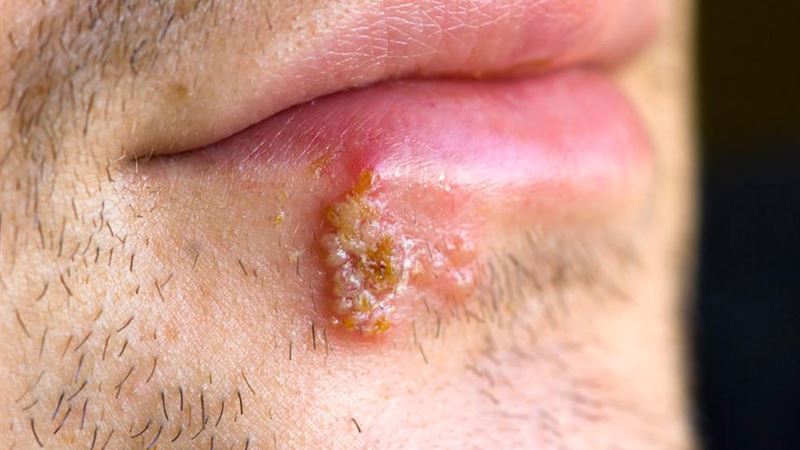
Herpes simplex virus infections of the face and oral cavity: Oral herpes typically manifests as sores or blisters on the lips, mouth, or around the facial area. These painful or itchy lesions are commonly known as cold sores or fever blisters. Sometimes, the sores can develop inside the mouth, involving the gums, palate, or tongue, causing discomfort and difficulty eating or speaking. Recognizing these signs early can help in managing outbreaks and preventing the spread of the virus.
Genital herpes infections: This type of herpes primarily affects the genital area. Symptoms include clusters of itchy, painful blisters on the vulva, vagina, cervix, penis, scrotum, anus, or inner thighs. When these blisters burst, they form open sores that may take several days to heal. Common signs accompanying these outbreaks include burning sensations during urination, especially if urine comes into contact with the sores, and difficulty urinating due to swelling and lesion obstruction. Other hallmarks include persistent itching, genital discomfort, and sometimes systemic symptoms like fever, swollen lymph nodes, headaches, fatigue, and reduced appetite, resembling flu symptoms. Recognizing these early can prompt timely medical consultation and treatment.
- Persistent burning sensation during urination, especially with open sores
- Difficulty urinating due to swelling or blockage
- Itching and soreness in genital regions
- General flu-like symptoms, including fever and fatigue
- Swollen lymph nodes and headaches accompany outbreaks
Herpes keratitis affecting the eyes: This condition involves inflammation of the cornea, leading to symptoms like eye pain, redness, discharge, and a gritty or foreign body sensation. If left untreated, it can threaten vision and requires prompt medical attention.
Herpetic whitlow of the fingers: This painful skin infection appears as swelling, redness, and tenderness on the fingers or around fingernails. Patients may also experience fever and lymph node swelling as part of the body's immune response. Proper diagnosis is crucial to prevent complications.
Herpes encephalitis of the brain and central nervous system: A severe and potentially life-threatening condition where the herpes virus infects the brain. Symptoms include altered mental states, confusion, personality changes, seizures, and sometimes coma. Immediate medical care is essential to manage this serious complication.
Besides clinical signs, blood tests and laboratory diagnostics play an important role in confirming herpes infections. Detecting viral DNA through PCR testing and examining samples from sores or blood can verify the presence of herpes simplex virus. Awareness of these signs can facilitate early diagnosis and improve treatment outcomes.