
Recognizing Symptoms and Causes of Dry Eyes: A Comprehensive Guide
Discover comprehensive insights into dry eyes, including key symptoms, causes, and advanced treatment options. Learn how to recognize signs early and explore effective management strategies to maintain healthy, comfortable eyes. This guide elaborates on factors like environmental influences, age, systemic conditions, and technological advancements in treatment, helping you understand how to prevent and address dry eye syndrome effectively for better eye health.
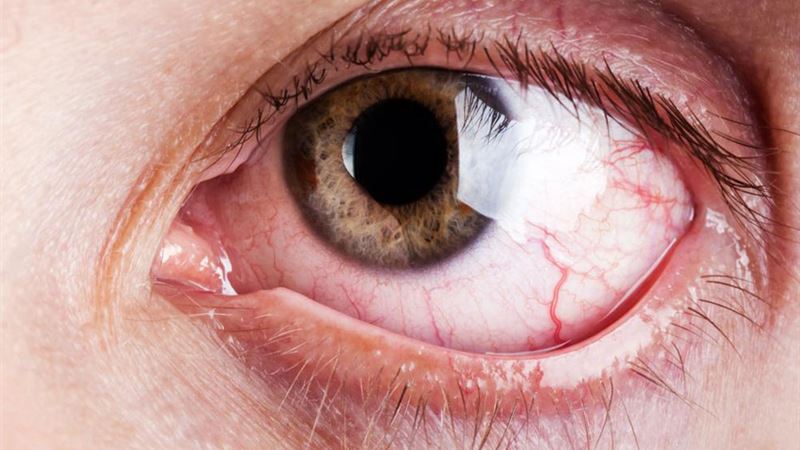
The condition known as keratoconjunctivitis sicca primarily affects both the conjunctiva and the cornea, leading to discomfort and potential visual impairment if not properly managed. Understanding the signs, causes, and available treatments of dry eyes can significantly improve quality of life, especially for those at higher risk of developing this condition.
Recognizing Key Symptoms of Dry Eyes
- Persistent sensation of discomfort, grittiness, or irritation in the eyes
- Unusual string-like discharge or mucus formation from the eyes
- Episodes of blurry or fluctuating vision
- Redness, burning, or stinging sensations
- Frequent tiredness or heaviness in the eyelids
- Difficulty producing tears, even during emotional moments
- Heavy eyelids that may feel droopy or fatigued
- Challenges in performing visual tasks such as reading, computer work, or driving
Common Causes of Dry Eye Syndrome
- Skin conditions and infections around the eyelids can impair tear production and lead to dryness, which may be transient or become chronic
- Adverse effects of medications like oral contraceptives, antidepressants, tranquilizers, antihistamines, and treatments for Parkinson’s disease
- Meibomian gland dysfunction, a disorder affecting the oil-producing glands around the eyelids, resulting in inadequate tear film stability
- Allergies, which can cause inflammation and reduce tear quality and quantity
- Inadequate or excessive vitamin intake, impacting tear production and eye health
- Pregnancy, which can alter hormone levels and contribute to dryness
- Prolonged use of contact lenses, which can impair tear distribution and increase evaporation
- Environmental factors such as wind, dry air, smoke, pollution, and exposure to environmental irritants causing tear evaporation
- Infrequent blinking, especially during screen time, reduces tear spreading and leads to dryness
- Age-related changes, as tear production naturally diminishes over time
- Underlying systemic conditions such as arthritis, thyroid disorders, lupus, and vitamin A deficiency can contribute to dry eyes
Prognosis and Treatment Options for Dry Eyes
Most cases of dry eye syndrome can be effectively managed with artificial tears and lubricants that supplement natural tears and reduce discomfort. Additional strategies include wearing specialized airtight goggles, which create a humid environment around the eyes and prevent moisture loss, especially during sleep or in dry environments.
Recent technological advancements have introduced innovative treatments like lipid flow therapy, aimed at unclogging blocked Meibomian glands. This minimally invasive procedure restores the oil layer of the tear film, reducing evaporation and maintaining eye moisture naturally. In some cases, lifestyle modifications such as increasing indoor humidity, taking regular breaks during screen use, and managing underlying systemic health conditions can significantly alleviate symptoms and improve eye health.
Understanding your eye health and seeking prompt medical attention can ensure timely diagnosis and personalized treatment, preventing potential complications associated with chronic dry eyes.