
Comprehensive Guide to Choosing Effective Solutions for Dry Eyes
Discover effective strategies for treating dry eyes, including over-the-counter solutions, prescription medications, and lifestyle tips. Learn how to select the right treatment based on your specific needs to alleviate discomfort and protect your eye health. This comprehensive guide provides insights to help you find relief from dry eye symptoms and improve overall eye comfort safely.
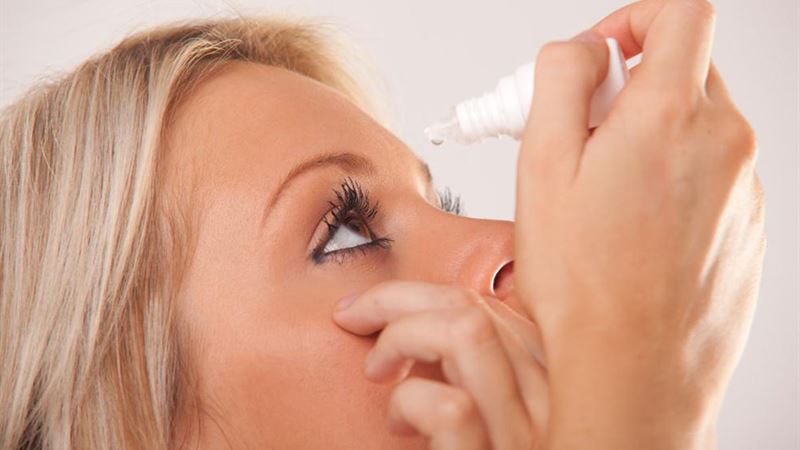
Dry eyes are a common condition that affects a significant portion of the population worldwide. It can be caused by various factors, including aging, environmental conditions, medication use, and underlying health issues. Addressing dry eye discomfort requires understanding its diverse causes and exploring the most suitable treatment options. Fortunately, a range of effective eye solutions are available today that can alleviate symptoms and restore eye comfort. This comprehensive guide delves into the causes of dry eyes and offers detailed insights into the best treatments, including over-the-counter options, prescription medications, and lifestyle adjustments.
Dry eye syndrome, also known as keratoconjunctivitis sicca, occurs when the eyes do not produce enough tears or when the tears evaporate too quickly. The condition can lead to discomfort, visual disturbances, and potential damage to the eye surface if left untreated. The severity of symptoms can vary from mild irritation to severe pain and vision impairment. To combat this, researchers and medical professionals have developed multiple strategies to manage and treat dry eyes effectively.
Current treatment options for dry eyes include a combination of lifestyle modifications, over-the-counter solutions, and prescription medications. Among these, artificial tears remain the most popular and accessible remedy. They mimic natural tears, providing lubrication and relief from dryness. However, selecting the right type of artificial tears is essential for maximum benefit. Medical professionals often recommend specific formulations based on the individual's condition and response to treatment.
Therapeutic eye drops with active ingredients like cyclosporine and lifitegrast have revolutionized dry eye management, especially for persistent cases unresponsive to simpler remedies. Cyclosporine, marketed under brand names like Restasis, helps increase tear production by reducing inflammation in the tear-producing glands. It is usually administered twice daily under doctor supervision. Lifitegrast, another prescription medication, works by inhibiting inflammation pathways and reducing T cell-mediated inflammation within the eye, providing notable relief in certain cases.
In addition to these medications, innovative treatments such as autologous blood serum eye drops have gained recognition. These drops are derived from the patient's own blood, processed to extract growth factors and nutrients that promote healing of the ocular surface. They are particularly beneficial in severe or chronic cases where conventional treatments fail to produce improvements. The procedure involves drawing blood, processing it to obtain serum, and then applying it as eye drops, ensuring compatibility and reduced risk of adverse reactions.
Combining different strategies often yields the best outcomes. For example, lifestyle adjustments like increasing humidity, avoiding air drafts, and taking regular breaks from screen time can significantly reduce symptoms. Some patients also find relief by using warm compresses and eyelid hygiene to improve gland function and tear stability.
When choosing over-the-counter eye drops for dry eyes, several crucial considerations should be taken into account. First and foremost, consulting a healthcare professional before starting any treatment is essential. An eye specialist can diagnose the underlying cause and recommend the most appropriate therapy. It's also advisable to avoid eye drops formulated to reduce redness, as these are primarily designed to mask symptoms rather than address the root cause of dryness.
Patients with pre-existing eye conditions such as glaucoma or infections should seek medical advice before using any over-the-counter solutions. The composition of eye drops varies, with some containing preservatives that may irritate sensitive eyes, whereas preservative-free options are suitable for prolonged use. Understanding the ingredients and choosing products tailored to individual needs enhances treatment efficacy and safety.
Several factors contribute to the development of dry eyes. Environmental influences like exposure to dust, dry air, and extended screen time are common triggers. People working in air-conditioned or heated environments, or those who spend hours staring at computer or television screens, are at increased risk. In such cases, simple measures such as using artificial tears and maintaining proper humidity levels can effectively alleviate discomfort.
In some instances, dry eyes result from underlying health issues or medication side effects. Conditions like autoimmune diseases, diabetes, or allergies can impair tear production. Certain medications—including antihistamines, antidepressants, and blood pressure drugs—are known to cause dryness as a side effect. Managing the primary health issue is crucial for complete relief, but topical solutions can provide temporary or adjunctive relief while addressing systemic problems.
In conclusion, understanding the diverse causes of dry eyes allows for tailored treatment strategies. Whether opting for over-the-counter artificial tears, prescription medications, or lifestyle modifications, selecting the right approach is key to restoring comfort and maintaining eye health. Always consult an eye care professional for personalized advice, especially in severe or persistent cases. With proper management, individuals suffering from dry eyes can improve their quality of life and prevent potential complications.