
Key Indicators and Symptoms of Lung Cancer You Should Recognize Early
Discover the essential signs of lung cancer, including persistent coughs, breathing problems, and systemic symptoms. Early detection can save lives. Learn how to recognize these symptoms and when to seek medical advice for better outcomes and timely treatment.
Understanding the Common Signs of Lung Cancer
Lung cancer remains one of the most prevalent and deadly forms of cancer worldwide. Early detection significantly improves the chances of successful treatment and survival. Recognizing the early symptoms can be challenging as they often resemble less severe respiratory conditions. However, persistent coughs, chest discomfort, and unexplained symptoms warrant medical attention. This comprehensive guide explores the primary indicators, including respiratory issues, systemic symptoms, and changes in skin and bone health, helping individuals identify potential lung cancer signs on time.
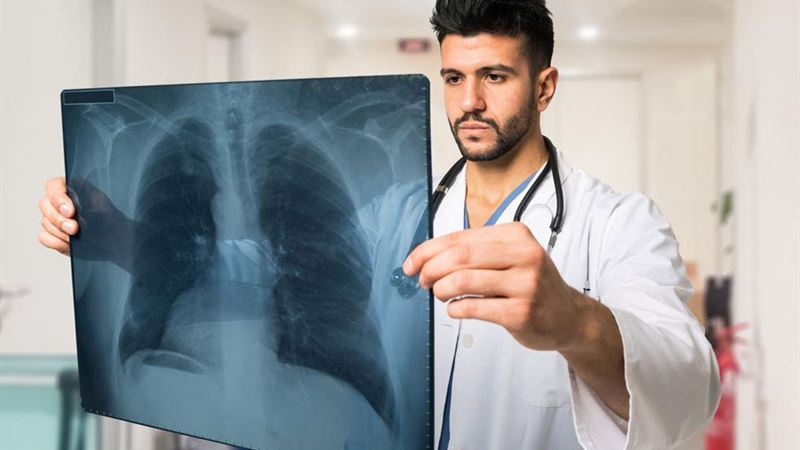
Persistent Respiratory Symptoms
One of the hallmark early signs of lung cancer is a chronic cough that won't go away. This cough is often dry initially but can evolve into a productive cough, bringing up large amounts of phlegm or even blood in some cases. The presence of hemoptysis, or blood-tinged sputum, is a concerning symptom that should never be ignored.
Alongside persistent coughing, patients may experience wheezing and shortness of breath, especially during exertion or even at rest in advanced stages. These breathing difficulties occur due to tumor growth obstructing airways or fluid accumulation around the lungs. Chest tightness or pain may also develop as the tumor irritates surrounding tissues.
Chronic coughing and respiratory discomfort can lead to fatigue and weakness because of the body's ongoing effort to combat the infection or inflammation. Constant coughing can strain the chest muscles, leading to soreness, and disrupt sleep, further contributing to exhaustion.
Increased Susceptibility to Infections
Lung cancer can significantly weaken the immune defense mechanism. The impairment of lung function and the associated inflammation make the lungs more vulnerable to additional infections. Patients often develop recurrent respiratory infections such as pneumonia, bronchitis, or other lower respiratory tract infections.
This increased risk is compounded when coughing reduces appetite, leading to nutritional deficiencies. The compromised immune system makes it easier for bacteria, viruses, and fungi to establish infections, which can further complicate the patient's health status.
This cyclical pattern of infection and compromised immunity emphasizes the importance of early diagnosis and management of lung abnormalities to prevent further health deterioration.
Alterations in Skin and Bone Health
Signs of lung cancer are also evident in changes to the skin and bones. One of the noticeable skin manifestations is jaundice, a yellowish discoloration caused by liver involvement or metastasis. This yellowing indicates that cancer has spread beyond the lungs and is affecting other organs like the liver.
Persistent bone pain, particularly in the hips, ribs, back, and legs, can occur when the cancer metastasizes to skeletal tissues. These painful areas often feel tender and may develop into swelling or lumps. Swollen lymph nodes, especially around the collarbone or neck, are common signs of lymphatic involvement and may cause discomfort or pain due to inflammation.
As tumors grow and invade major blood vessels, they disrupt normal blood flow, resulting in inflammation and pain in affected bones and soft tissues. These symptoms, combined with systemic signs like weight loss and fatigue, should prompt immediate medical investigation.
Other Warning Signs and When to See a Doctor
While the above symptoms are primary indicators, other less specific signs include unexplained weight loss, persistent chest infections, voice changes such as hoarseness, and general fatigue. If you experience any combination of these symptoms, particularly if they persist for more than a few weeks, consult a healthcare professional promptly for diagnostic evaluation.
Early detection of lung cancer is crucial because treatment options are more effective when the disease is caught in initial stages. Diagnostic tests such as chest X-rays, CT scans, and biopsy procedures can confirm the diagnosis and help formulate an appropriate treatment plan.
In conclusion, being vigilant for these key signs — prolonged cough, breathing difficulties, increased infection susceptibility, and systemic changes in skin and bones — can lead to earlier diagnosis and better outcomes. Awareness and timely medical intervention are vital in the fight against lung cancer.