
Comprehensive Guide to Recognizing and Managing Hypoglycemia Symptoms
This detailed guide explores the signs, causes, and management of low blood sugar, emphasizing early detection and effective treatment to prevent serious complications. It covers symptoms like dizziness, weakness, and visual disturbances, along with lifestyle tips to maintain stable glucose levels. Timely intervention, proper medication, diet, and lifestyle changes are crucial for preventing hypoglycemia-related emergencies, especially for people with diabetes or blood sugar regulation issues. Learn how to identify symptoms early and take control of your health effectively.
Understanding low blood sugar, or hypoglycemia, is essential for managing overall health, especially for individuals living with diabetes or those prone to fluctuations in blood glucose levels. The brain relies heavily on glucose to operate optimally; when glucose levels drop below normal, it can result in a spectrum of symptoms that range from mild discomfort to severe health emergencies such as loss of consciousness or even death. Prompt identification and treatment of hypoglycemia are crucial to prevent serious complications. This comprehensive guide explores the symptoms associated with low blood sugar, causes, and effective management strategies to maintain optimal glucose levels and safeguard your health.
Low blood sugar occurs when glucose levels fall below the normal range, typically below 70 mg/dL. The condition can be caused by various factors including medication errors, skipped meals, excessive physical activity, alcohol consumption, or health conditions affecting glucose regulation. Recognizing the early signs of hypoglycemia allows for immediate intervention, which can prevent progression to more severe symptoms. It’s important to understand that symptoms may vary from person to person, and some individuals may experience subtle signs while others may face more pronounced effects. Understanding these symptoms enables timely response, reducing the risk of complications.
Recognizing Symptoms of Low Blood Sugar
- Anxiety and Nervousness: One of the first signs of hypoglycemia is increased anxiety or nervousness. As blood sugar drops, the body responds by releasing adrenaline, leading to feelings of agitation, jitteriness, or panic. This adrenaline rush is the body's attempt to alert you to an energy deficit and prompts the need for immediate carbohydrate intake.
- Intense Hunger: Sudden, overwhelming hunger is another hallmark symptom. When blood sugar dips, the body signals that it needs fuel, leading to craving for sugary or carbohydrate-rich foods. Ignoring this sign can exacerbate the situation, worsening symptoms and potentially leading to more serious health risks.
- Mood Swings and Emotional Instability: Fluctuations in blood sugar can cause mood swings, irritability, or feelings of depression. These emotional disturbances are often linked to the brain’s reliance on glucose for mood regulation and cognitive functions.
- Weakness and Fatigue: Diminished energy levels manifest as generalized weakness and tiredness. This symptom often occurs early and can be alleviated with prompt carbohydrate intake before it worsens.
- Muscle Twitches and Cramps: Though less common, muscle twitching and cramps may occur due to impaired circulation and electrolyte imbalances caused by hypoglycemia. These symptoms are often accompanied by cold extremities or back pain.
- Palpitations and Heart Rate Irregularities: Low glucose levels stimulate adrenaline release, which can cause an increased heart rate, palpitations, and sometimes chest discomfort. Persistent or severe palpitations require medical attention as they may escalate to dangerous arrhythmias or heart attacks.
- Headaches: Headache is a common accompaniment of hypoglycemia, often resulting from irregular meal schedules or excessive sugar consumption that destabilizes blood glucose levels.
- Blurred Vision and Double Vision: Insufficient glucose supply affects the ocular lenses, causing blurred or double vision, especially notable in diabetic patients. Visual disturbances are early warning signs signaling the need for immediate carbohydrate intake.
- Speech Difficulties and Disorientation: As the brain’s glucose supply diminishes, cognitive functions decline, leading to difficulty concentrating, slurred or blurred speech, and a feeling of confusion or disorientation.
- Unsteadiness and Balance Issues: Nocturnal hypoglycemia often manifests as feeling unsteady on your feet, difficulty waking up, or experiencing restless sleep. Poor circulation and low energy contribute to this unsteadiness.
- Excessive Sweating: Night sweats or sweating around the neck area can be an early sign of hypoglycemia. This sweating occurs due to the body’s sympathetic nervous system response and warrants attention to prevent dizziness or nausea.
Timely recognition of these symptoms and immediate corrective actions are vital to prevent escalation. Maintaining a balanced diet, adequate sleep, and regular monitoring of blood glucose levels are fundamental strategies for managing and preventing hypoglycemia. Lifestyle modifications—such as eating balanced meals, avoiding skipping meals, limiting alcohol intake, and managing stress—are essential components of effective management.
Effective Treatments and Preventive Strategies
- Immediate Response: The first-line treatment involves consuming fast-absorbing carbohydrates such as glucose tablets, fruit juices, or candies containing sugar. In cases where swallowing is difficult or the individual is unconscious, an injection of glucagon may be administered by trained personnel to rapidly elevate blood sugar levels.
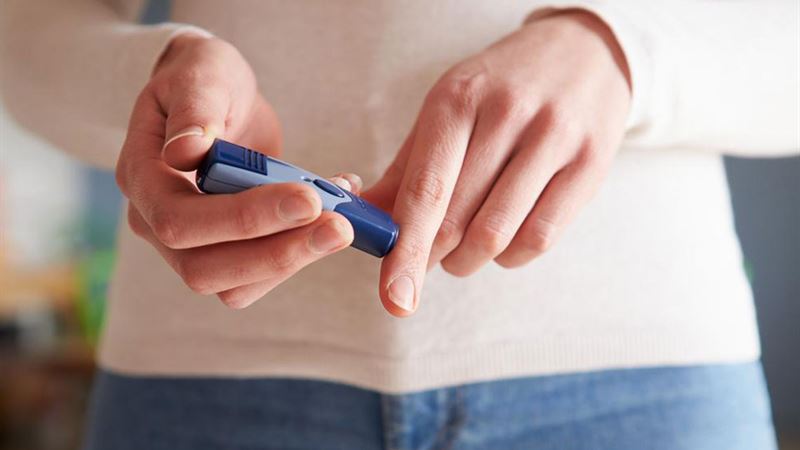
- Long-Term Management: Regular blood sugar monitoring with a glucometer helps detect early signs of hypoglycemia. Establishing consistent meal times, controlling portion sizes, and incorporating balanced macronutrients (fiber, protein, healthy fats) support stable blood glucose levels.
- Medication Compliance: Ensure proper medication adherence and consultation with healthcare providers to adjust doses based on activity levels, illness, or changing physiology. Be aware of the potential hypoglycemic side effects of medications like insulin or sulfonylureas.
- Healthy Lifestyle Choices: Regular physical activity contributes to better glucose regulation. However, extreme or unplanned exercise can increase the risk of hypoglycemia—balance activity with carbohydrate intake.
- Sleep and Stress Management: Adequate sleep and stress reduction techniques help stabilize hormones that influence glucose metabolism, reducing variability and hypoglycemia episodes.
- Preventive Education: Patients should be educated on recognizing early symptoms and planning for hypoglycemia episodes, including carrying quick source sugars and informing friends or family members about emergency procedures.
Preventing hypoglycemia is a vital aspect of diabetes and health management. Consistent medical follow-up, maintaining a healthy diet, and lifestyle modifications collectively contribute to better blood sugar control and quality of life.
If symptoms of hypoglycemia are observed or suspected, seek immediate medical advice. Proper treatment and lifestyle adjustments can effectively mitigate risks, ensuring safety and well-being.