
Strategies for Leading a Fulfilling and Healthy Life While Managing HIV
Discover comprehensive strategies to lead a healthy and fulfilling life with HIV. Learn about early diagnosis, effective treatment options, lifestyle modifications, and the importance of support networks in managing HIV successfully. Empower yourself with knowledge and resources to maintain your health and wellbeing while living with HIV, and explore ways to reduce stigma and build a supportive community. This guide provides expert insights to help you take control of your future and enjoy a high-quality life free from the limitations of the virus.
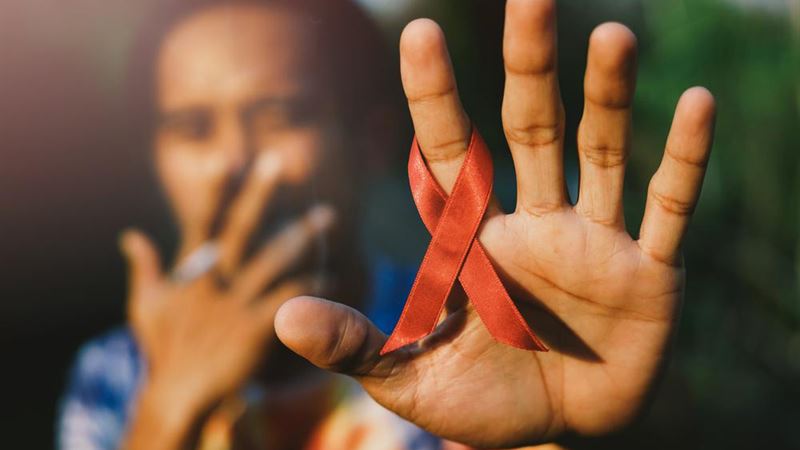
Living with HIV today does not mean a sentence to poor health or limited life quality. With advancements in medical science and improved understanding of the virus, individuals diagnosed with HIV can lead long, fulfilling, and productive lives. The key lies in timely diagnosis, consistent treatment, and a proactive approach to health and wellbeing. This comprehensive guide explores essential steps for managing HIV effectively, emphasizing early detection, medication adherence, awareness, mental health support, lifestyle adjustments, and building a strong support network. Each facet is crucial in empowering individuals to take control of their health and enjoy a vibrant life.
Early detection of HIV is vital. When symptoms first appear, many people are unaware they might be infected because initial signs often resemble common viral illnesses. Recognizing the importance of testing is the first step towards effective management. If you suspect exposure due to unprotected sex, sharing needles, or other risk factors, seek testing immediately. Many clinics and community health centers offer confidential, free testing services. Confirming your status promptly allows for early intervention, which can significantly improve long-term health outcomes.
Once diagnosed, the next pivotal step is to commence antiretroviral therapy (ART). ART is a combination of medications that suppress the replication of the HIV virus, helping maintain a healthy immune system. These drugs are expertly designed to target different stages of the virus's life cycle, preventing it from multiplying and causing further damage. Modern treatments are highly effective, with many patients experiencing near-normal life spans when adhering to their prescribed regimens. It is crucial to understand that medication adherence is paramount; skipping doses or inconsistent use can lead to drug resistance, making treatment less effective and complicating health management.
Healthcare providers usually prescribe a combination of antiretroviral drugs known as HAART (Highly Active Antiretroviral Therapy). This multi-drug approach prevents the virus from developing resistance, providing a sustainable way to control the infection. The treatment plan is personalized based on each individual’s health status, potential side effects, lifestyle, and other health conditions. Regular monitoring, including viral load testing and CD4 cell counts, is essential to assess treatment effectiveness and make necessary adjustments.
Beyond medication, maintaining a healthy lifestyle is integral to living well with HIV. This includes balancing a nutritious diet, engaging in regular physical activity, avoiding substance abuse, and ensuring sufficient sleep. A robust immune system can be supported through healthy habits, reducing the incidence of opportunistic infections and other health complications.
Awareness and education are powerful tools in HIV management. Knowledge about the disease helps prevent its spread and empowers individuals to make informed decisions. Full disclosure of HIV status to sexual partners is not only responsible but also vital in preventing new infections. Many jurisdictions legally require disclosure, and doing so fosters trust and honesty within relationships. Counseling and open communication can ease anxieties and promote safer practices, such as consistent condom use and regular testing.
Support systems play a critical role in coping with an HIV diagnosis. Emotional and psychological resilience is often challenged by the illness, making mental health support essential. Family, friends, healthcare providers, counselors, and peer support groups can offer invaluable encouragement and understanding. Psychotherapy can help address feelings of depression, anxiety, or stigma associated with HIV. Building a network of support fosters resilience, motivation, and a positive outlook on life.
Stigma and discrimination remain hurdles for many living with HIV. Advocacy and education campaigns continue to work towards reducing societal judgments, promoting acceptance, and ensuring equal access to healthcare. Personal empowerment and community involvement can inspire others to seek testing, treatment, and support, contributing to healthier communities.
In conclusion, managing HIV effectively involves a multifaceted approach encompassing early diagnosis, effective medication, healthy lifestyle choices, awareness, emotional support, and community engagement. Staying informed and connected will enable individuals to navigate the challenges of HIV and lead productive, joyful lives. Advances in medicine and societal understanding have transformed HIV from a fatal diagnosis into a manageable condition, offering hope and opportunities for a vibrant life.