
Understanding Psoriasis: Symptoms and Contributing Factors
This comprehensive article explores the symptoms and risk factors associated with psoriasis, detailing visual skin signs, nail and joint symptoms, and the influence of genetics, immune response, and lifestyle. Recognizing early signs and understanding risk factors can lead to better management and improved quality of life for individuals affected by this chronic skin condition.
Recognizing Symptoms
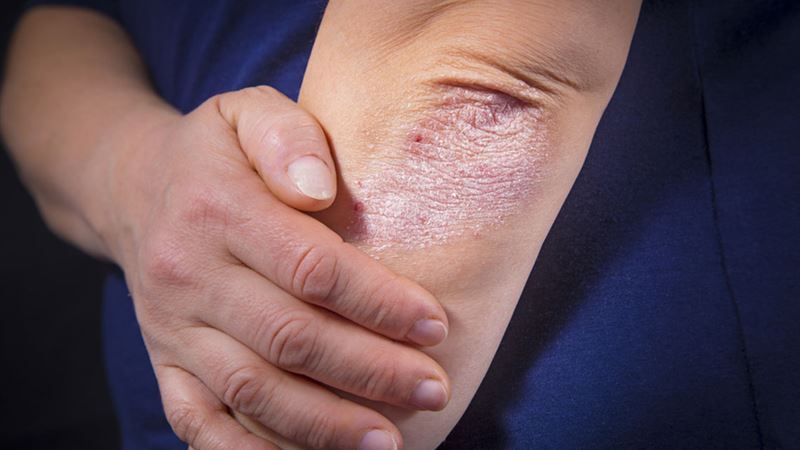
Psoriasis presents with a variety of manifestations that can differ based on individual health and disease severity. The primary symptoms often include sharply demarcated red patches on the skin surface, frequently covered with silvery-white scales. These patches can vary from small, localized spots to extensive areas affecting large parts of the body. In children, psoriatic lesions may be less prominent but still noticeable. Cracked and dry skin that may bleed is common, indicating the severity. Patients often report sensations of soreness, burning, or pruritus, which can range from mild to intense. Nail involvement is frequently observed, with ridges, pitting, or thickening. Psoriatic arthritis also presents with joint stiffness, swelling, and pain, impacting mobility and daily activities.
Psoriasis lesions may manifest as isolated patches akin to dandruff or widespread eruptions. The condition tends to be cyclical, with periods of flare-ups followed by remission phases, sometimes lasting weeks or months. Recognizing these patterns helps in managing the disease effectively.
Factors that Elevate Risk
While anyone can develop psoriasis, certain risk factors increase susceptibility. Understanding these can aid in early detection and prevention strategies. Key contributors include:
- Genetic Predisposition
A significant risk factor is family history. Individuals with a first-degree relative suffering from psoriasis are at a higher likelihood of developing the condition. The risk escalates if both parents are affected, indicating a strong hereditary component influencing disease onset. - Immunodeficiency and Infections
Conditions that weaken or alter the immune response, such as HIV infection, significantly raise the risk of psoriasis. Children and young adults experiencing recurrent infections are also more vulnerable, as immune system dysregulation appears to play a central role in disease development. - Psychological Stress
Elevated stress levels are known to compromise immune function, leading to increased flare-ups. Stress management is often recommended as part of a comprehensive approach to controlling psoriasis. - Obesity and Lifestyle Factors
Excess body weight is associated with higher incidence and severity of psoriasis. Obesity tends to promote inflammation, which can trigger skin lesion formation. Moreover, psoriasis frequently develops in skin folds and creases, where obesity-related skin stretching and moisture retention exacerbate symptoms. - Tobacco Use
Smoking and other forms of tobacco consumption markedly elevate the risk of psoriasis. Furthermore, tobacco can influence disease severity, making management more challenging.
Understanding these risk factors empowers individuals to adopt healthier lifestyles and seek early treatment, potentially mitigating disease progression.