
Recognizing the Early Symptoms and Signs of HIV Infection: A Comprehensive Guide
This comprehensive guide explores the early signs and symptoms of HIV infection, emphasizing the importance of early detection and treatment. It covers common symptoms, steps to take after noticing warning signs, and available treatment options. Understanding these aspects is vital for timely intervention, which can significantly improve health outcomes and prevent further transmission. The article aims to inform and educate readers about HIV's subtle early indicators and encourages regular testing for at-risk individuals to ensure early management and care.
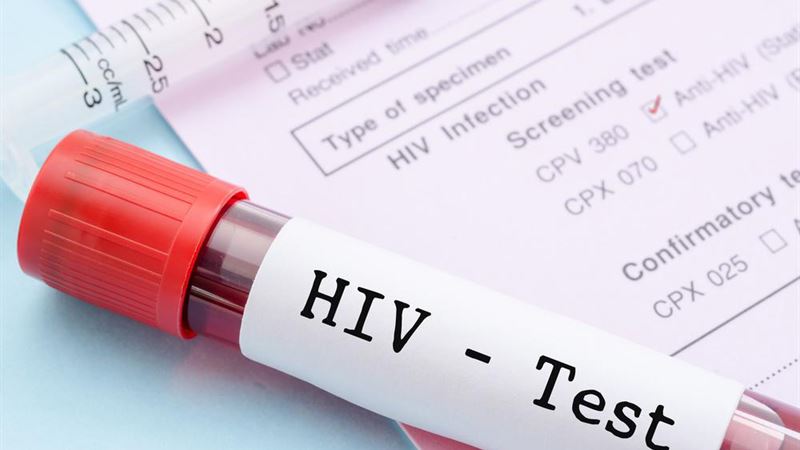
Understanding the Initial Indicators of HIV
Human Immunodeficiency Virus (HIV) manifests through a range of symptoms that can differ significantly based on the stage of infection. In the early stages, many individuals do not experience all the classic symptoms associated with the virus. Often, a person infected with HIV might experience flu-like symptoms within weeks of exposure, while others remain entirely asymptomatic for extended periods. Recognizing these early signs is crucial for timely testing and intervention. Below is a detailed overview of common early symptoms associated with HIV infection.
- Fever and chills
- Muscle aches and soreness
- Joint pain and stiffness
- Persistent headaches
- Sore or swollen throat
- Swollen lymph nodes, especially in neck and armpits
- Skin rashes or unusual spots
- Night sweats that soak through clothing
- Extreme tiredness and fatigue
- Ulcers and sores inside the mouth or on the genitals
What to Do When You Notice Potential Signs of HIV
These initial symptoms of HIV can resemble those of other viral infections, such as the flu or mononucleosis, making self-diagnosis challenging. If you notice any of these signs, especially after recent exposure to risky situations like unprotected sex, sharing needles, or contact with contaminated blood, it is vital to seek immediate medical advice. Early detection through testing enables prompt management and reduces the risk of transmission to others.
It is important to understand that some individuals may not develop noticeable symptoms during the initial phase of HIV infection. There are also cases where people remain asymptomatic for years, despite being infected. This emphasizes the importance of regular testing if there’s a suspected exposure, as early diagnosis can significantly improve health outcomes and help prevent the spread of the virus.
Why HIV Testing and Early Detection Matter
Since early symptoms are often subtle and easily mistaken for other illnesses, only specific HIV tests can confirm infection. Routine screening is recommended for anyone at risk, irrespective of whether they show symptoms. Early diagnosis not only allows for timely treatment but also helps prevent the progression to AIDS and reduces transmission risk to partners.
Available Treatment Options for HIV
While HIV remains a lifelong condition with no definitive cure, medical advancements have made it possible to control the virus effectively. With adherence to prescribed medication regimens, individuals living with HIV can lead healthy, fulfilling lives. Modern HIV treatments involve a combination of antiretroviral drugs (ARVs) that suppress viral replication, maintain immune function, and prevent disease progression.
- Different classes of drugs are used to target various stages of the HIV lifecycle, including reverse transcriptase inhibitors, integrase inhibitors, protease inhibitors, and entry inhibitors.
- A typical treatment plan involves taking multiple drugs daily, often in a fixed-dose combination, to reduce pill burden and enhance adherence.
- Doctors tailor treatment based on individual health history, potential drug interactions, and resistance patterns.
Consistency is key in managing HIV effectively. Regular clinical monitoring and lab tests are essential to assess treatment efficacy and detect any resistance issues early.
In summary, recognizing the early signs of HIV infection can be lifesaving. Prompt testing and initiation of antiretroviral therapy are crucial steps in maintaining health and preventing transmission. Educating oneself about the symptoms, transmission routes, and treatment options empowers individuals to take control of their health and contribute to broader public health efforts.