
Comprehensive Guide to Recognizing and Managing Spinal Stenosis Symptoms
This comprehensive guide explores the symptoms, diagnosis, and treatment options for spinal stenosis. It highlights the importance of timely detection and discusses minimally invasive laser surgery, including its benefits, risks, and the decision-making process. Understanding these aspects empowers patients to make informed choices about managing this degenerative spine condition effectively.
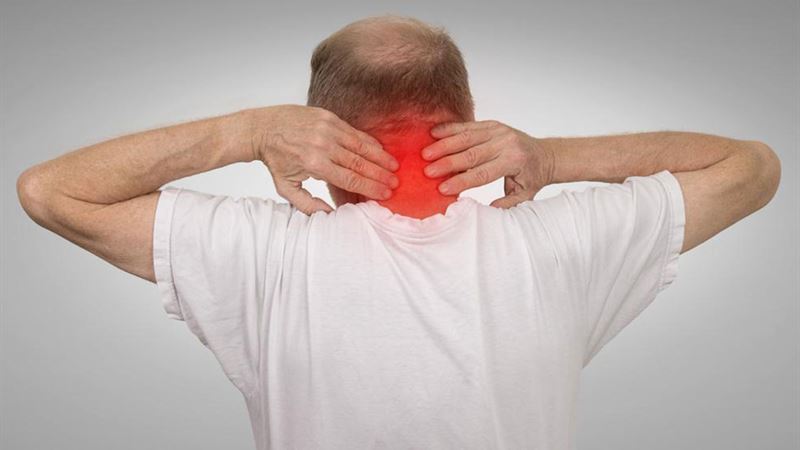
- Intense pain localized in the neck, back, arms, or legs
- Persistent numbness or tingling sensations throughout affected areas
- Weakness or muscle weakness in limbs
- Loss of flexibility and diminished range of motion
- Difficulty walking, bending, or leaning forward
Determining the Location of Pain
The specific location of discomfort or numbness provides valuable clues about which part of the spine is involved. Spinal stenosis can develop in three main regions:- Cervical Spine: When stenosis affects this region in the neck, it may compress nerve roots that radiate pain into the shoulders, arms, hands, and fingers, leading to symptoms like tingling, weakness, or numbness in these areas.
- Thoracic Spine: This middle section of the spine, when affected, causes localized pain around the rib cage, which can sometimes radiate to the chest area, mimicking cardiac or pulmonary issues.
- Lumbar Spine: The most common site for stenosis, issues here often cause discomfort in the lower back that radiates into the legs and feet, often accompanied by numbness or a burning sensation.
Associated Conditions Affecting Quality of Life
- Sciatica: This nerve condition occurs when the sciatic nerve, originating from the lower back, becomes compressed. Patients often experience sharp, shooting pain radiating from the lower back down into the legs, accompanied by muscle spasms and weakness in the hips, buttocks, and legs.
- Myelopathy: This condition arises when the spinal cord itself becomes compressed in the neck region, leading to motor skill impairments, difficulty maintaining balance, shooting pains in the arms, and heaviness in the limbs. It requires prompt diagnosis as it can progress rapidly.
Treatment Options for Spinal Stenosis
While conservative treatments such as physical therapy, medications, and injections are often effective, surgical intervention becomes necessary in cases where symptoms severely impair daily activities or cause neurological deficits. Among the surgical options, laser surgery has gained attention due to its minimally invasive nature.
Importance of Correct Diagnosis Before Surgery
Accurate diagnosis is vital before considering laser surgery or any surgical procedure. Not every case of back or neck pain necessitates invasive intervention; many instances are muscular or arthritic in origin. If symptoms such as difficulty walking, loss of balance, or weakness in limbs are present, consulting a spine specialist for thorough assessment is crucial. Diagnostic imaging like MRI or CT scans helps determine the extent of nerve compression and guides appropriate treatment planning.
Making an Informed Decision Regarding Surgery
If conservative measures fail to provide relief and your quality of life is significantly affected, surgical options may be explored. Engaging in open communication with your healthcare provider is essential. Understand the procedure, risks, and expected outcomes. Meeting with a qualified spine surgeon allows you to discuss your concerns, get detailed explanations, and review prognosis data. Remember, surgery should be the last resort after exhausting non-surgical therapies. Having full knowledge enables you to weigh the pros and cons and make an educated choice.
Seeking a Second Opinion
Before opting for invasive procedures, obtaining a second opinion is highly recommended. Your primary surgeon might suggest open spine surgery or minimally invasive techniques based on their evaluation. Comparing recommendations from different specialists can help you choose the best approach tailored to your condition. Be sure to review success rates, potential complications, recovery times, and long-term outcomes. Being well-informed helps you feel confident in your decision and prepares you mentally and physically for the procedure.
Understanding Laser Surgery for Spinal Stenosis
Laser surgery involves making a small incision over the affected spinal segment. A specialized laser instrument is used to target and remove or shrink tissues that compress nerves. The goal is to alleviate pressure, reduce pain, and improve nerve function with minimal tissue disruption. This technique is typically performed under local or general anesthesia, with the patient experiencing less postoperative pain and quicker recovery.
Advantages of Laser Surgery
- Patients can often return home on the same day as the procedure, avoiding prolonged hospitalization.
- Suitable for addressing minor compressions and localized nerve impingements.
- Incisions are tiny—typically around one inch—resulting in minimal scarring and discomfort.
- Recovery times are significantly shortened compared to traditional open surgeries.
- Patients can resume work and daily activities sooner, enhancing productivity and quality of life.
Limitations and Risks of Laser Surgery
- Laser techniques may not be suitable for complex or multi-level spinal issues that require extensive correction.
- The procedure addresses only the symptoms and not the root degenerative causes, which may lead to recurrence.
- Heat generated by the laser can potentially damage nearby tissues or nerves if not carefully controlled.
- Bone removal during the procedure might leave residual instability or persistent pain.