
Understanding Spinal Stenosis: Causes, Symptoms, and Effective Treatments
Spinal stenosis is a common degenerative spinal condition that narrows the spaces within the spine, pressing on nerves and causing pain. It mainly affects the neck and lower back, often due to aging, injuries, or poor posture. Early diagnosis and treatment, including chiropractic care, physical therapy, and lifestyle modifications, are crucial to manage symptoms and prevent progression. Recognizing the causes and seeking timely intervention can significantly improve the quality of life for those affected. Lifestyle changes and preventive measures are vital for spinal health maintenance and long-term relief.
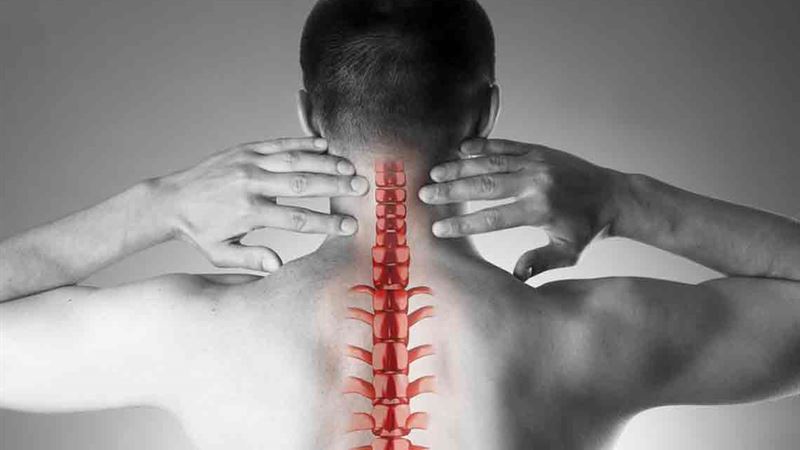
Occurring frequently as people age, spinal problems encompass a variety of conditions that can impact overall health and mobility. Among these, spinal stenosis stands out as a common yet often misunderstood disorder that can significantly impair quality of life. This condition involves the narrowing of spaces within the spine, which compresses the nerves that pass through this area, leading to pain, numbness, and other neurological symptoms. The causes of spinal stenosis are diverse, ranging from degenerative wear and tear to traumatic injuries, poor posture, and congenital abnormalities. Recognizing the early signs and understanding the underlying factors are crucial steps toward effective management and relief.
What exactly is spinal stenosis? In simple terms, spinal stenosis is a condition characterized by the reduction of space within the spinal canal or its root canals. This space reduction can be caused by several factors, including age-related degeneration of discs and joints, thickening of ligaments, bone spurs, or disc herniation. When these structures encroach into the spinal canal, they exert pressure on the spinal cord and nerves, interfering with normal nerve signal transmission. If left untreated, this pressure can cause persistent pain, weakness, numbness, and in severe cases, loss of function or paralysis.
Typically, spinal stenosis occurs in regions of the spine that are subject to the highest mechanical stress — the cervical (neck) and lumbar (lower back) regions. These areas are responsible for supporting the weight of the upper body, facilitating movement, and enabling vital neurological functions. Consequently, issues in these spinal segments tend to produce more noticeable symptoms, which often prompt individuals to seek medical attention.
An important aspect of spinal stenosis is that many individuals remain asymptomatic for extended periods. Some may exhibit structural narrowing detected incidentally through imaging studies but never experience discomfort or neurological deficits. Conversely, symptoms can develop gradually or suddenly, with some people experiencing mild sensations, while others suffer from significant pain and disability. It is crucial to recognize symptoms early and consult healthcare professionals to prevent progression.
Common causes of spinal stenosis include prolonged poor posture, repetitive strain, injuries from accidents or falls, genetics, and lifestyle factors such as sedentary behavior. Specific activities like cycling for long durations, maintaining a forward head posture, sleeping in improper positions, and poor ergonomic setups can accelerate degenerative changes in the spine. Nutritional deficiencies, especially calcium and vitamin D shortages, can weaken bones and exacerbate spinal deterioration, increasing the likelihood of stenosis formation.
Who is a chiropractor? A chiropractor is a healthcare professional specialized in diagnosing and treating musculoskeletal disorders, with a focused expertise on spinal health. They utilize manual therapy techniques, including spinal adjustments and manipulations, to relieve pressure on nerves, improve mobility, and reduce pain. Chiropractic care often serves as a conservative, non-invasive approach that can be effective in early stages of spinal conditions like stenosis.
During a typical consultation, chiropractors conduct a comprehensive physical examination, review medical history, and sometimes order imaging tests to determine the precise location and severity of the issue. Based on findings, they develop personalized treatment plans that may include spinal adjustments, therapeutic exercises, soft tissue massages, and ergonomic advice. Early intervention with chiropractic care can help alleviate symptoms, restore function, and delay or prevent the need for surgical intervention.
It is important to understand that not all cases of spinal stenosis can be treated solely through manual therapies. Advanced cases involving significant nerve compression, instability, or structural deformities may require surgical procedures such as laminectomy, decompression surgery, or spinal fusion. Nonetheless, conservative approaches are often effective in managing pain and improving quality of life, especially when implemented early.
Different types of spinal stenosis are classified based on etiology, anatomical location, affected tissues, and treatment strategies. The two primary classifications are:
- Cervical stenosis: Occurs in the neck region, potentially impacting neurological functions of the arms and hands. Symptoms may include neck pain, weakness, tingling, and loss of coordination.
- Lumbar stenosis: Affects the lower back, often leading to radiculopathy — pain radiating down the legs and into the feet. It is more common among adults over 50 years of age.
Degenerative changes from aging, combined with excessive mechanical load and trauma, are primary contributors to these stenosis types. Over time, these changes can cause the narrowing of spinal foramen and central canal, affecting nerve roots and the spinal cord.
Statistical data indicates that approximately 40% of patients diagnosed with spinal stenosis are women with an average age around 60. Many experience intermittent symptoms, with some suffering for weeks and others for extended periods like months or years. Symptoms such as pain, numbness, weakness, and difficulty walking tend to worsen if left untreated.
Treatment options vary based on severity and individual health status. Medical interventions include oral medications such as anti-inflammatory drugs, corticosteroids, and muscle relaxants. Physical therapy aims to strengthen muscles supporting the spine and improve flexibility. In some cases, minimally invasive procedures like injections or decompression surgeries might be necessary. Rehabilitation and lifestyle modifications play a vital role in long-term management.
Preventive measures should be incorporated into daily routines to reduce the risk of progression. These include regular low-impact exercise like walking and swimming, maintaining proper posture at work and during activities, engaging in stretching routines, and ensuring a nutritious diet rich in calcium and vitamin D. Avoiding prolonged sitting, repetitive strain, and strenuous activities can help protect spinal health.
Additional precautions involve ergonomic adjustments to workstations, use of supportive mattresses, and practicing stress-reduction techniques such as meditation or yoga. Early diagnosis and prompt treatment are key to preventing severe deficits and enhancing quality of life for individuals affected by spinal stenosis.