
Comprehensive Guide to Common Eye Conditions and Their Treatment Options
Discover detailed insights into common eye conditions such as amblyopia, nystagmus, color blindness, uveitis, and floaters. Learn about their causes, symptoms, and the latest treatment options available. Early diagnosis and proper management are key to preventing serious vision problems. This comprehensive guide aims to educate readers on maintaining healthy eyesight and recognizing signs that require professional attention, ensuring better eye health for all age groups.
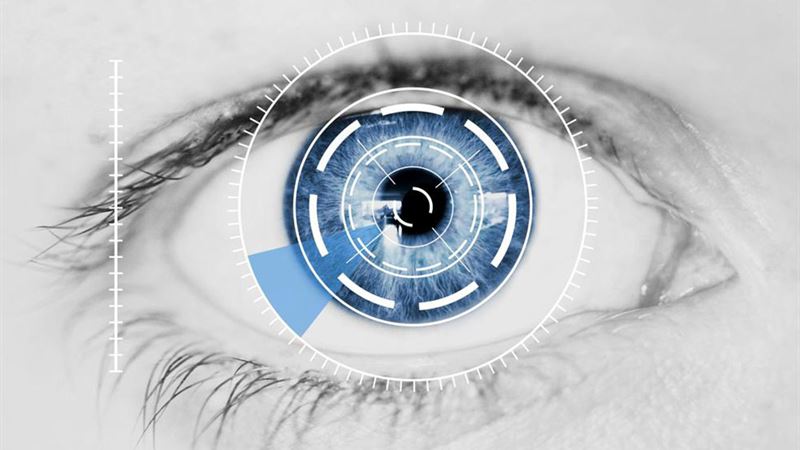
Eyes are vital organs that require proper care to maintain optimal vision and overall health. Many individuals experience eye problems at some point in their lives, ranging from minor inconveniences to severe health threats. Understanding common eye ailments, their causes, symptoms, and available treatments is essential for early diagnosis and effective management.
One prevalent concern is amblyopia, often referred to as 'lazy eye.' Typically affecting just one eye, amblyopia causes decreased vision that can impair depth perception and overall visual acuity. The affected eye may wander or drift, while the unaffected eye maintains normal alignment. Amblyopia can develop in any age group but is most common among infants and young children. Early detection is crucial because, if untreated during childhood, it can lead to lifelong visual impairment.
Corrective measures such as prescription glasses or contact lenses are the first line of treatment for amblyopia. Sometimes, patching the good eye encourages the weaker eye to strengthen and develop proper visual pathways. In addition to non-invasive approaches, surgical procedures may be necessary if structural abnormalities are contributing to the condition.
Another condition that affects vision is nystagmus, characterized by involuntary, rapid movements of the pupils. This persistent eye oscillation can interfere with clear vision and depth perception. Many treatment options aim to improve stability and reduce the intensity of eye movements, including specialized glasses, medications, and surgical interventions in certain cases.
Color vision deficiency, commonly known as color blindness, is another widespread concern. Most often, individuals with color blindness have difficulty distinguishing between specific colors, usually red and green. In rare and severe cases, individuals perceive the world solely in shades of gray, but most individuals retain the ability to see most colors with some difficulty. Congenital color blindness is inherited and occurs mostly in males due to genetic factors involving cone cells in the retina. Acquired color vision deficits can also result from certain medications or health conditions affecting the eye or nervous system.
Although there is no cure for inherited color blindness, special glasses and lenses can assist some individuals in distinguishing certain colors better and improving daily functioning.
Uveitis refers to inflammation of the uveal tract, comprising the iris, ciliary body, and choroid. This condition can cause significant ocular discomfort and jeopardize vision if not diagnosed and treated promptly. Uveitis can result from autoimmune diseases, infections, or trauma. Symptoms typically include eye redness, pain, blurred vision, sensitivity to light (photophobia), and floaters. Due to the potential for severe tissue damage, medical attention from an ophthalmologist is necessary as treatment depends on the underlying cause, often involving corticosteroids, immunosuppressants, or antibiotics.
Floaters are common age-related or degenerative eye phenomena characterized by small spots, shapes, or threads that drift through a person's field of vision. Usually harmless and caused by small opacities in the vitreous gel, a sudden increase in floaters, especially if accompanied by flashes of light or a shadow blocking part of vision, may indicate a serious concern like retinal detachment. Immediate consultation with an ophthalmologist is essential to prevent potential vision loss.
While not all eye diseases are covered in this overview, the focus remains on those with significant potential for damaging vision if left untreated. Regular eye examinations, early intervention, and prompt management of symptoms are crucial for preserving eyesight and maintaining quality of life.
One prevalent concern is amblyopia, often referred to as 'lazy eye.' Typically affecting just one eye, amblyopia causes decreased vision that can impair depth perception and overall visual acuity. The affected eye may wander or drift, while the unaffected eye maintains normal alignment. Amblyopia can develop in any age group but is most common among infants and young children. Early detection is crucial because, if untreated during childhood, it can lead to lifelong visual impairment.
Corrective measures such as prescription glasses or contact lenses are the first line of treatment for amblyopia. Sometimes, patching the good eye encourages the weaker eye to strengthen and develop proper visual pathways. In addition to non-invasive approaches, surgical procedures may be necessary if structural abnormalities are contributing to the condition.
Another condition that affects vision is nystagmus, characterized by involuntary, rapid movements of the pupils. This persistent eye oscillation can interfere with clear vision and depth perception. Many treatment options aim to improve stability and reduce the intensity of eye movements, including specialized glasses, medications, and surgical interventions in certain cases.
Color vision deficiency, commonly known as color blindness, is another widespread concern. Most often, individuals with color blindness have difficulty distinguishing between specific colors, usually red and green. In rare and severe cases, individuals perceive the world solely in shades of gray, but most individuals retain the ability to see most colors with some difficulty. Congenital color blindness is inherited and occurs mostly in males due to genetic factors involving cone cells in the retina. Acquired color vision deficits can also result from certain medications or health conditions affecting the eye or nervous system.
Although there is no cure for inherited color blindness, special glasses and lenses can assist some individuals in distinguishing certain colors better and improving daily functioning.
Uveitis refers to inflammation of the uveal tract, comprising the iris, ciliary body, and choroid. This condition can cause significant ocular discomfort and jeopardize vision if not diagnosed and treated promptly. Uveitis can result from autoimmune diseases, infections, or trauma. Symptoms typically include eye redness, pain, blurred vision, sensitivity to light (photophobia), and floaters. Due to the potential for severe tissue damage, medical attention from an ophthalmologist is necessary as treatment depends on the underlying cause, often involving corticosteroids, immunosuppressants, or antibiotics.
Floaters are common age-related or degenerative eye phenomena characterized by small spots, shapes, or threads that drift through a person's field of vision. Usually harmless and caused by small opacities in the vitreous gel, a sudden increase in floaters, especially if accompanied by flashes of light or a shadow blocking part of vision, may indicate a serious concern like retinal detachment. Immediate consultation with an ophthalmologist is essential to prevent potential vision loss.
While not all eye diseases are covered in this overview, the focus remains on those with significant potential for damaging vision if left untreated. Regular eye examinations, early intervention, and prompt management of symptoms are crucial for preserving eyesight and maintaining quality of life.