
Comprehensive Guide to Senior Dental Implant Procedures and Benefits
Discover the comprehensive benefits, procedures, and cost factors of senior dental implants. This detailed guide covers everything seniors need to know about modern tooth replacement options, emphasizing health, comfort, and longevity. Learn how implants restore confidence, improve oral health, and can be a cost-effective solution for long-term dental care. With expert insights on the process and considerations for success, seniors can make informed decisions to enhance their quality of life and oral well-being.
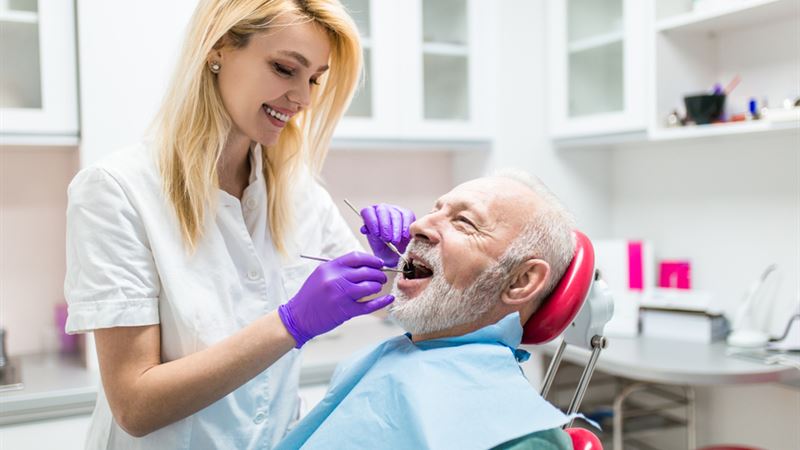
In recent years, advancements in dental technology have revolutionized the options available for seniors seeking to restore their smiles and oral functionality. Among these innovations, dental implants have emerged as one of the safest, most effective, and durable solutions for replacing missing teeth. Senior dental implants involve a sophisticated process that offers numerous advantages over traditional methods such as dentures or bridges, making them increasingly popular among elderly patients aiming for improved quality of life and oral health.
Dental implants are typically composed of biocompatible titanium fixtures that are surgically inserted into the jawbone, providing a sturdy foundation for crowns, bridges, or dentures. Resembling screws in appearance, these implants can support a single tooth, multiple teeth, or complete arch replacements, depending on the patient's needs. Their high success rate and predictable outcomes have contributed to their status as the preferred choice for tooth replacement among seniors worldwide.
Understanding the specific benefits, procedural steps, costs, and considerations involved in senior dental implant therapy is crucial for patients and caregivers. This comprehensive guide aims to shed light on all aspects of senior dental implants—covering their advantages, the implantation process, factors influencing success rates, and financial implications—so that seniors can make informed decisions about their oral health care options.
- Advantages of Dental Implants for Seniors
Dental implants are not just about restoring a confident smile; they significantly enhance overall oral health, function, and personal well-being. The following sections delve into the key benefits that make dental implants a standout choice for older adults.
- Enhanced Speech and Aesthetics
The permanence of dental implants means seniors can speak clearly and smile confidently without fear of slippage or discomfort that often accompanies dentures. Implants mimic natural teeth closely, providing a seamless appearance that restores facial contours and boosts self-esteem. Unlike removable dentures, implants remain stable and do not cause speech impediments or embarrassment.
- Improved Oral Hygiene and Preservation of Oral Structures
One of the most significant advantages of implants is their independence from neighboring teeth, unlike traditional bridges supported by adjacent healthy teeth. Each implant is anchored directly into the jawbone, promoting better oral hygiene because they are easy to clean with normal brushing and flossing. This setup prevents decay and damage to surrounding teeth, maintaining the integrity of the overall mouth structure.
- Prevention of Bone Deterioration
Missing teeth can lead to jawbone resorption, which causes facial sagging and further dental issues over time. Dental implants stimulate the jawbone similarly to natural roots, preventing bone loss and maintaining facial structure integrity. This biological stimulation preserves the bone's density and prevents premature aging effects caused by bone deterioration.
- Greater Comfort and Chewing Efficiency
With implants, seniors regain the ability to chew a wide range of foods comfortably. Unlike dentures, which may slip or cause soreness, implants provide a firm, stable bite. This improved functionality translates into better nutrition and dining experiences, fostering a healthier lifestyle overall.
- Longevity and Cost-Effectiveness
When properly maintained through routine dental care, implants can last for decades, often a lifetime. Although initial costs may be higher than other methods, their durability reduces long-term expenses associated with replacements or repairs. Investing in dental implants is a cost-effective solution for seniors seeking a lasting dental restoration.
- Convenience Without Hassles
Unlike dentures that require removal and frequent adjustments, implants are integrated permanently into the mouth. They eliminate the inconvenience of adhesives or special overnight care, offering a straightforward, hassle-free approach to tooth replacement that seamlessly fits into daily routines.
- Qualifying for Dental Implants: The Evaluation Process
Before proceeding with dental implant surgery, seniors undergo a comprehensive evaluation by a dental specialist. This process begins with a detailed examination of the oral cavity to assess bone density, gum health, and the presence of any underlying conditions that could affect implant success. A series of imaging tests, such as X-rays or 3D scans, provide detailed insights into the jawbone’s condition, helping plan the optimal placement of implants.
Not every senior candidate is immediately suitable for implants. Factors like uncontrolled diabetes, severe osteoporosis, or ongoing periodontal disease may require management before implant placement. The dental team develops a personalized treatment plan, considering medical history, overall health, and specific needs.
During the consultation, patients are encouraged to raise questions about the procedure, recovery, and maintenance. Clear communication ensures that expectations are aligned and that the patient is fully informed about the process.
- The Implantation Procedure: A Step-by-Step Overview
The process typically involves several stages spread over a few months to ensure proper healing and integration of the implant into the jawbone—a process known as osseointegration. Here are the main steps involved:
- Initial Consultation and Planning
Initial assessments, imaging, and discussions about treatment options set the foundation. If needed, any diseased or damaged teeth are extracted before implant placement.
- Preparation and Surgical Phase
The surgical procedure involves creating a small incursion in the jawbone where the titanium implant will be anchored. This process is performed under local anesthesia, with sedation options available for anxious patients. Post-surgical healing typically takes several months, during which the implant integrates with the bone.
- Attachment of Abutment and Placement of Restoration
Once healing is complete, the dentist attaches an abutment—a connector that holds the crown or bridge. The final prosthetic component, tailored for aesthetics and function, is then attached to the abutment, restoring the appearance and functionality of natural teeth.
- Follow-up and Long-term Maintenance
Regular follow-up appointments are essential to monitor implant health, ensure proper healing, and address any issues early. Good oral hygiene and routine dental visits are critical to prolong the lifespan of the implant.
While the entire process may extend over several months, the results—improved comfort, function, and appearance—make it worthwhile. Patients often report high satisfaction with their results, especially when supported by a skilled dental team.
- Financial Considerations and Cost Factors
Dental implant costs can vary widely depending on several factors. The primary variables influencing price include the geographic location of the dental clinic, the quality and brand of implants used, the number of implants required, and additional procedures such as bone grafts or sinus lifts.
On average, the cost for a single-tooth implant ranges from $1,000 to $4,000, inclusive of the implant, abutment, and crown. For full arches or multiple teeth, expenses can escalate to between $2,000 and $7,000 or more, especially if extensive preparations or bone augmentation are necessary.
Many dental insurance plans offer partial coverage for implant procedures, though coverage varies. Patients are advised to check with their insurers and explore financing options to manage costs effectively.
While the initial investment may seem substantial, the durability and reduced maintenance costs of implants often justify the expense over the long term, making them an economical choice for seniors seeking reliable, long-lasting dental solutions.
In conclusion, senior dental implants present a significant improvement over traditional tooth replacement options, combining functionality with aesthetics, durability, and health benefits. Proper evaluation and a qualified dental team can help seniors achieve the best results, ensuring they enjoy healthy, confident smiles well into their later years.