
Effective Strategies to Manage and Reduce High Blood Pressure Naturally
Discover effective natural methods to lower high blood pressure, including diet, exercise, and lifestyle changes. Learn how to monitor and manage hypertension safely, reducing health risks and promoting overall heart health. Expert advice emphasizes proactive measures and medical consultation for optimal results.
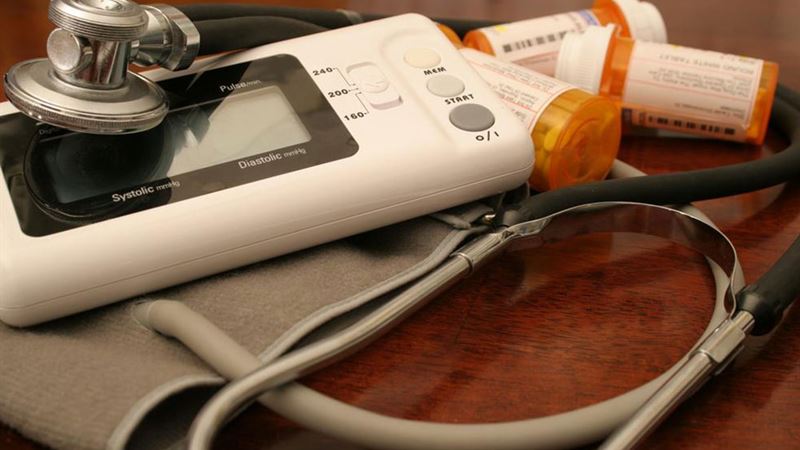
Maintaining healthy blood pressure levels is essential for overall well-being and preventing serious health complications. High blood pressure, or hypertension, is a common condition that can develop due to multiple factors, including lifestyle choices, genetics, and underlying health issues. Fortunately, there are numerous natural and lifestyle-based methods to control and lower blood pressure effectively. Implementing these practices can significantly improve your quality of life and reduce the risk of heart disease, stroke, and other related health problems. This comprehensive guide explores various strategies, from dietary adjustments to exercise routines, and emphasizes the importance of medical support when necessary.
Understanding High Blood Pressure and Its Risks
High blood pressure is a condition where the force of blood against the artery walls remains consistently elevated. According to health experts, a blood pressure reading higher than 130/80 mm Hg signals hypertension. If left unmanaged, it can lead to severe health issues such as coronary artery disease, kidney damage, vision loss, and stroke. The condition often develops gradually over years and may not present noticeable symptoms until significant damage has occurred. Therefore, routine monitoring and proactive management are key to maintaining healthy blood pressure levels. Recognizing the factors that contribute to high blood pressure, including lifestyle habits, aging, and genetic predisposition, is essential to devising effective control strategies.
High blood pressure is a condition where the force of blood against the artery walls remains consistently elevated. According to health experts, a blood pressure reading higher than 130/80 mm Hg signals hypertension. If left unmanaged, it can lead to severe health issues such as coronary artery disease, kidney damage, vision loss, and stroke. The condition often develops gradually over years and may not present noticeable symptoms until significant damage has occurred. Therefore, routine monitoring and proactive management are key to maintaining healthy blood pressure levels. Recognizing the factors that contribute to high blood pressure, including lifestyle habits, aging, and genetic predisposition, is essential to devising effective control strategies.
Natural and Lifestyle Adjustments for Lowering Blood Pressure
Adopting a proactive approach to managing high blood pressure involves making several lifestyle changes that are simple yet profoundly effective. These adjustments focus on diet, physical activity, avoiding harmful habits, and monitoring health regularly. The following sections delve into these methods in detail.
Adopting a proactive approach to managing high blood pressure involves making several lifestyle changes that are simple yet profoundly effective. These adjustments focus on diet, physical activity, avoiding harmful habits, and monitoring health regularly. The following sections delve into these methods in detail.
- Maintain a Healthy Weight
Excess body weight is a significant risk factor for hypertension. Carrying extra pounds increases the strain on your heart and blood vessels, leading to elevated blood pressure. Losing even a small amount of weight—about 5-10% of your body weight—can produce noticeable reductions in blood pressure. Incorporate a balanced diet paired with regular exercise to achieve and sustain a healthy weight. Consulting with healthcare professionals can help tailor a weight loss plan suited to your individual needs. - Regular Physical Activity
Physical activity is a cornerstone of blood pressure management. Aim for at least 30 to 45 minutes of moderate-intensity exercise, such as brisk walking, cycling, swimming, or jogging, most days of the week. Exercise helps strengthen the heart, improve blood flow, and reduce arterial stiffness. Remember to start gradually, especially if you're new to physical activity, and consult your healthcare provider before beginning any new exercise regimen. - Adopt a Heart-Healthy Diet
Diet plays a vital role in controlling blood pressure. Emphasize fruits, vegetables, whole grains, lean proteins, nuts, and seeds. Reduce the intake of processed foods high in unhealthy fats, sugars, and sodium. The DASH (Dietary Approaches to Stop Hypertension) diet is specifically recommended for lowering blood pressure. It encourages consuming potassium-rich foods, such as bananas, sweet potatoes, and leafy greens, which help balance out sodium effects. Limit salt intake to less than 2,300 milligrams per day, or ideally under 1,500 milligrams for better results. - Limit Alcohol Consumption
Excessive alcohol intake can elevate blood pressure and interfere with medication effectiveness. Moderate drinking—defined as up to one drink per day for women and two for men—is generally acceptable, but it's best to avoid alcohol if you have high blood pressure or are on medication. Reducing alcohol consumption can contribute significantly to blood pressure control. - Avoid Smoking
Smoking damages blood vessels, increases blood pressure temporarily, and raises overall cardiovascular risk. Quitting smoking is a vital step toward better blood pressure control and overall health. Seek supportive resources, counseling, or cessation programs to help you quit successfully. - Monitor Your Blood Pressure at Home
Regularly checking your blood pressure allows you to track your progress and make informed decisions. User-friendly digital blood pressure monitors are widely available and easy to operate. Routine monitoring helps identify fluctuations and assesses the effectiveness of lifestyle changes or medications. Keep a log of readings to share with your healthcare provider during check-ups. - Reduce Sugar and Caffeine Intake
High sugar and caffeine consumption have been linked to elevated blood pressure. Limit sugary foods and beverages, including sodas, candies, and baked goods. Similarly, moderate caffeine intake, typically up to 200-300 mg per day, can help prevent blood pressure spikes. Opt for herbal teas or decaffeinated beverages when possible.
Seeking Medical Intervention When Necessary
If lifestyle modifications alone do not adequately lower your blood pressure, medical treatment may be required. Consult a healthcare professional specialized in cardiovascular health to develop a personalized management plan. Regular check-ups, blood tests, and monitoring are vital components of comprehensive care. Your doctor may prescribe antihypertensive medications, which should always be taken as directed. Furthermore, adhering to prescribed treatments, maintaining healthy habits, and consistently monitoring your blood pressure can lead to optimal outcomes.
If lifestyle modifications alone do not adequately lower your blood pressure, medical treatment may be required. Consult a healthcare professional specialized in cardiovascular health to develop a personalized management plan. Regular check-ups, blood tests, and monitoring are vital components of comprehensive care. Your doctor may prescribe antihypertensive medications, which should always be taken as directed. Furthermore, adhering to prescribed treatments, maintaining healthy habits, and consistently monitoring your blood pressure can lead to optimal outcomes.
Advantages of Maintaining Controlled Blood Pressure
Keeping your blood pressure within a normal range benefits your entire cardiovascular system. Proper control reduces the risk of heart attacks, strokes, kidney disease, and vision problems. It also promotes overall vitality, improves energy levels, and enhances longevity. A balanced lifestyle that includes proper diet, regular exercise, abstaining from smoking, and appropriate medical care constitutes a comprehensive approach to long-term health and well-being.
Keeping your blood pressure within a normal range benefits your entire cardiovascular system. Proper control reduces the risk of heart attacks, strokes, kidney disease, and vision problems. It also promotes overall vitality, improves energy levels, and enhances longevity. A balanced lifestyle that includes proper diet, regular exercise, abstaining from smoking, and appropriate medical care constitutes a comprehensive approach to long-term health and well-being.
In conclusion, managing hypertension requires a combination of healthy lifestyle choices, regular monitoring, and professional medical support when needed. Implementing these strategies can effectively lower blood pressure, reduce health risks, and contribute to a longer, healthier life. Take proactive steps today to achieve and maintain optimal blood pressure levels and prioritize your health for the future.