
Effective Strategies for Alleviating Chronic and Acute Lower Back Pain
Discover comprehensive strategies to relieve lower back pain, including rest, heat and cold therapy, medical treatments, and targeted exercises. Learn how lifestyle adjustments and professional interventions can help you regain mobility and comfort. This detailed guide offers practical insights for effective pain management and long-term spinal health.
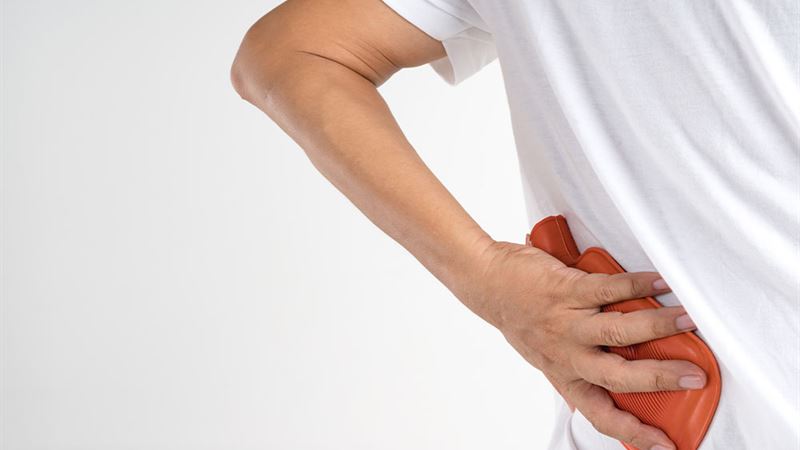
The pain originating from the lower back may result from muscle strains, ligament injuries, herniated discs, or other medical conditions. In some cases, acute injuries lead to sudden pain, whereas chronic issues involve ongoing discomfort that persists for weeks or months. While minor injuries often resolve naturally over time, persistent or severe pain requires targeted treatment and lifestyle adjustments.
Over time, the body's natural healing processes reduce inflammation and repair damaged tissues. However, if pain lingers for extended periods, it can become a chronic condition demanding comprehensive management. Effective interventions include lifestyle changes, physical therapies, medications, and sometimes surgical procedures. This article will explore a wide array of remedies designed to alleviate lower back pain and restore mobility and quality of life.
Proven Strategies to Alleviate Lower Back Pain
If you're plagued by lower back discomfort, there are several practical steps you can take to reduce pain and facilitate healing. These methods, combined with professional medical advice, can provide significant relief and promote long-term back health.
Prioritize Rest and Activity Modification
Rest is a fundamental component of lower back pain management. Short-term rest minimizes strain on affected muscles and ligaments, giving your body time to recover. However, prolonged bed rest is discouraged, as it can weaken muscles and prolong recovery. It's important to balance rest with gentle movement to prevent stiffness and support circulation.
Apply Heat and Cold Therapy
Using temperature therapy is one of the most accessible and effective remedies for back pain. Applying heat, such as heating pads or warm baths, increases blood flow to the area, delivering essential nutrients and oxygen that accelerate healing and relieve stiffness. Heat therapy can be especially beneficial prior to activity to prepare muscles for movement.
Cold applications, like ice packs, are effective in reducing inflammation and numb pain sensations. Cold therapy is particularly useful immediately after injury or during flare-ups to minimize swelling and prevent nerve pain from worsening. Alternating between heat and cold treatments can provide comprehensive relief, alleviating pain, swelling, and muscle tightness.
Medical Treatments and Pharmacological Options
In cases where self-care measures are insufficient, medical intervention may be necessary. Healthcare providers often recommend various treatments tailored to individual needs:
- Epidural Steroid Injections: These injections help reduce inflammation around nerve roots, providing temporary pain relief. Performed under imaging guidance, the steroids are administered directly to affected areas to suppress inflammation and alleviate nerve compression.
- Muscle Relaxants: Medications designed to relax tense or spasmed muscles can ease discomfort and restore mobility. These drugs work centrally to inhibit nerve signals responsible for muscle contraction.
- Narcotic Pain Relievers: Opioids may be prescribed for severe or persistent pain. These potent medications alter pain perception in the brain, offering relief, but are used cautiously due to risk of dependency.
- Support Devices - Back Braces: External braces provide structural support, stabilize the spine, and limit movement that aggravates pain. When used in conjunction with physical therapy, back braces can hasten recovery and prevent further injury.
Engage in Targeted Physical Exercises
Regular exercise is vital for managing chronic lower back pain. Engaging in specific activities promotes the release of endorphins—natural painkillers—while strengthening supportive muscles. An individualized exercise routine can help prevent future episodes of pain and improve overall spinal health.
Recommended Exercises for Back Pain:
- Stretching: Gentle stretching improves flexibility of the lower back, hips, and hamstrings, reducing stiffness. Consistent stretching of these areas keeps muscles supple and less prone to injury.
- Core Strengthening: The core muscles—including the abdominals, hips, and glutes—play a crucial role in supporting the spine. Strengthening these muscles helps distribute loads evenly and alleviates undue stress on the lower back.
It's essential to consult a healthcare professional before starting any new exercise program, especially if you experience acute pain or underlying health conditions. Proper technique and progression are vital to prevent further injury.
In summary, managing lower back pain involves a combination of rest, temperature therapy, medical treatments, and physical activity. Lifestyle modifications and professional guidance are crucial for long-term relief and spinal health. Taking proactive steps can significantly reduce discomfort and improve overall quality of life.