
Comprehensive Guide to Managing and Preventing Shingles
Discover comprehensive strategies for managing shingles effectively at home, including hygiene tips, soothing remedies, and natural treatments. Learn about preventive vaccines like Shingrix and Zostavax to reduce the risk of severe outbreaks. This detailed guide offers practical advice for those affected by shingles and aims to promote faster recovery and long-term prevention.
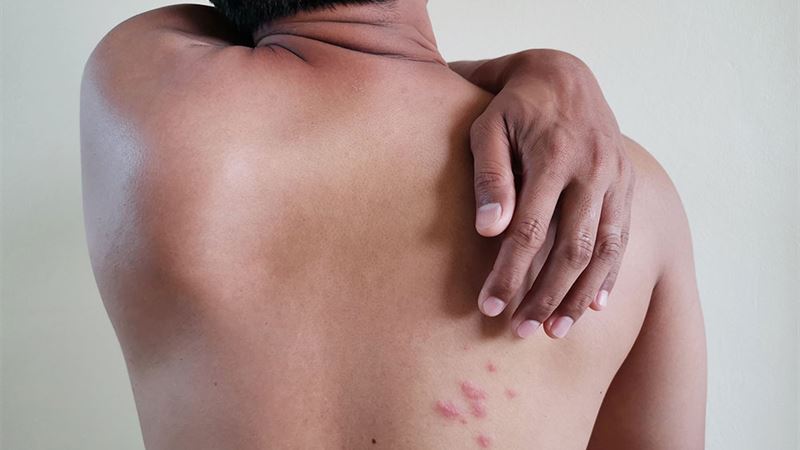
Effective Home Care Strategies for Shingles Relief
- Shingles typically lasts between two to six weeks, depending on the severity and individual health factors. During this period, maintaining proper skin hygiene is essential. Gently cleaning the affected areas with mild soap and patting them dry helps prevent secondary infections and reduces irritation. It's crucial to handle the skin carefully, avoiding scrubbing or harsh scrubbing motions that can cause additional discomfort.
- Temperature regulation during bathing is vital. Lukewarm water baths or showers are highly recommended to soothe irritated skin and alleviate itching. Hot water can strip natural oils from the skin, leading to dryness and irritation, while icy water might cause constriction without providing relief. Using lukewarm, soothing water helps calm the rash and reduces discomfort.
- In addition to standard hygiene practices, some home remedies can help manage symptoms effectively. An oatmeal bath, for example, is well-known for its anti-inflammatory properties. Sitting in a tub filled with colloidal oatmeal for approximately 15 minutes can significantly reduce itching and soothe inflammation. Such baths are gentle and provide relief without harsh chemicals.
Additional Home Remedies to Alleviate Shingles Symptoms
- Applying a clean, moist cloth or damp towel to the affected skin can decrease pain and lessen itching. It’s important to ensure the area is cleaned thoroughly before application to prevent infection. Gently pressing the moist compress onto blisters and rashes can help reduce swelling and provide temporary relief.
- Topical treatments like calamine lotion are effective in drying out blisters and reducing itching. Applying a thin layer of calamine a few times daily can help manage rash progression and provide comfort.
- Natural remedies such as Manuka honey have antiviral properties that may lessen symptom severity. Applying it sparingly on affected areas can help in reducing inflammation and promoting healing due to its antimicrobial effects.
- Essential oils, including geranium, tea tree, lavender, and lemongrass, possess anti-inflammatory and analgesic properties. When used properly, diluted with carrier oils such as coconut or jojoba oil, these oils can help diminish pain and itching. Always perform a patch test before use and dilute sufficiently to prevent skin irritation.
Preventive Measures Against Shingles
It is advised that adults over the age of 50 or those with weakened immune systems consider vaccination as part of their health maintenance routine. Even if someone has previously received Zostavax, the CDC recommends getting Shingrix to enhance protection. Good hygiene practices, such as hand washing and avoiding contact with active rash areas, are also critical in reducing chances of outbreak.