
Effective Strategies for Managing and Healing Shingles Through Proper Treatment and Nutrition
Discover comprehensive methods for managing shingles through targeted treatments, natural remedies, and dietary strategies. Learn how proper personal care, alternative therapies, and nutritional support can ease symptoms and promote healing. Always consult your healthcare provider for personalized advice.
Comprehensive Personal Care for Shingles
- Maintain cleanliness of the affected area using gentle, non-irritating soap and lukewarm water. Avoid harsh antiseptics or heavily scented bath products that could aggravate the skin. Gentle cleansing helps prevent secondary infections and promotes healing.
- Use a soft cloth soaked in cold water to apply soothing compresses to the shingles rash multiple times daily. Cold compresses reduce inflammation, alleviate pain, and relieve itchiness, creating a more comfortable recovery environment.
- Lubricate the rash with petroleum jelly and apply calamine lotion to soothe irritation and keep the area adequately moisturized. These topical remedies can reduce discomfort and support tissue repair.
- Apply a homemade paste made of two parts cornstarch mixed with one part water directly onto the blisters for 10 to 15 minutes each day. This natural remedy helps lessen itching and discomfort associated with shingles blisters.
- Wear loose, breathable clothing to ensure proper air circulation around the rash. Loose apparel promotes faster drying of blisters and minimizes skin irritation, facilitating a smoother healing process.
Exploring Alternative and Complementary Therapies for Shingles Relief
- Applying raw or manuka honey, including clover honey, directly onto shingles blisters may help reduce pain and facilitate faster healing due to honey's natural antimicrobial and soothing properties.
- A mixture of raw honey, leek juice, and aloe vera gel can provide calming effects, soothing inflammation and supporting skin regeneration.
- Many research studies suggest that certain essential oils can be effective in managing shingles symptoms, especially pain. Germanium oil, tea tree oil, lemongrass oil, and peppermint oil are some options to explore. Always exercise caution: perform a patch test before topical application to ensure no allergic reaction occurs. Dilute essential oils by mixing two drops with a quarter teaspoon of coconut oil before applying to sensitive areas. Alternatively, diffusing essential oils in the air can help provide symptomatic relief.
- Acupuncture therapy has been reported by some patients to offer significant pain relief. Consulting a licensed acupuncturist might be beneficial for those seeking alternative pain management options.
Nutritional Support for Shingles Recovery
- Staying consistently well-hydrated is critical for overall health and immune function. Proper hydration helps in tissue repair and in reducing symptoms.
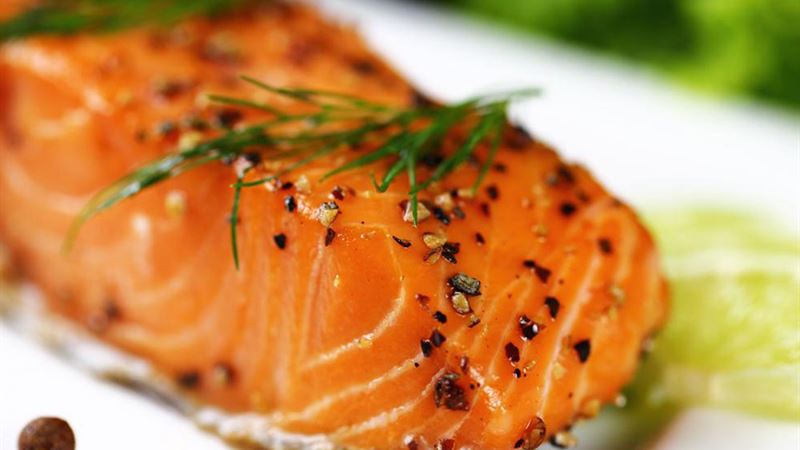
- Incorporate foods rich in B vitamins—such as low-fat dairy products, eggs, organic chicken, and wild-caught fish—to bolster nerve health and recovery.
- Include raw garlic and onions in your diet owing to their natural antiviral and immune-boosting properties.
- Consume a variety of fruits and vegetables loaded with vitamin C, which plays a key role in immune system support and tissue healing.
- Dark leafy greens like spinach and kale provide antioxidants and essential nutrients that support the healing process.
- While these dietary strategies can assist in symptom management and recovery, they should complement, not replace, prescribed medical treatments. It is vital for patients with shingles to consult healthcare professionals promptly to determine the appropriate medical intervention. Always discuss any complementary therapies with your doctor to ensure they are compatible with your medication plan.