
Effective Strategies to Alleviate Foot Pain and Improve Mobility
Discover comprehensive strategies to understand, diagnose, and treat top of foot pain. Learn about symptoms, causes, and effective home and medical remedies to restore comfort, improve mobility, and prevent chronic issues. Prioritize your foot health today for a pain-free tomorrow.
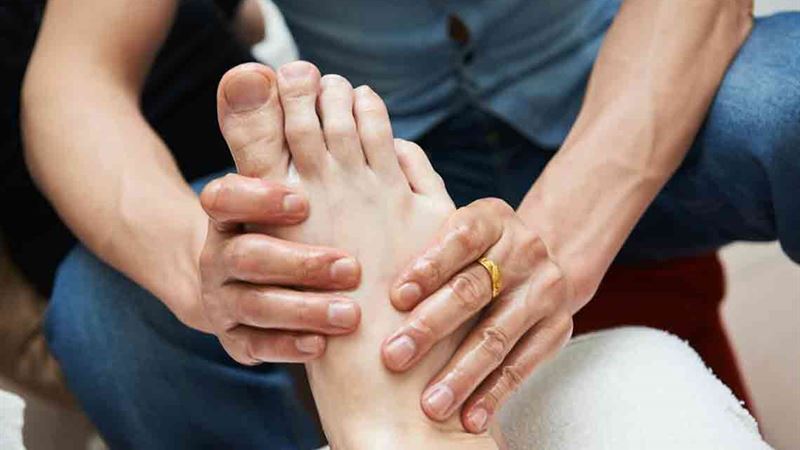
The human foot serves as a crucial foundation for the body's stability and movement. It is responsible for supporting your entire weight, facilitating walking, running, and standing, while also maintaining balance. Each day, your feet endure exertion that can equate to over half of your body weight, especially during active hours. Imagine the comfort and improved quality of life if foot pain is minimized or eliminated. Relieving foot discomfort can significantly boost your mood and enable you to resume daily physical activities with confidence. After all, the foot is the primary medium through which your life moves forward, and its health directly influences your overall well-being.
Understanding the importance of foot health is vital, as neglecting pain can lead to long-term complications. Foot pain, particularly on the top surface, can range from mild discomfort to severe, persistent pain that hampers daily functioning. Prompt treatment is essential to prevent minor issues from progressing into chronic conditions. Recognizing symptoms early and seeking appropriate care can make a significant difference in recovery and quality of life.
Recognizing Symptoms of Top of Foot Pain
Identifying foot pain early allows for timely intervention. While not all symptoms are overt or visible, certain signs can indicate underlying issues. The presence of persistent pain should never be ignored. Common symptoms include:
- Swelling or puffiness on the top of the foot, especially around the arch area
- Pain localized in the forefoot, often accompanied by swelling or redness
- Discomfort that worsens with activity and eases with rest
- Redness and warmth over the affected area, indicating inflammation
- Irritation or nerve entrapment signs, leading to tingling or numbness
- Increased pain when walking or standing for prolonged periods
Additional symptoms may vary depending on the underlying cause, such as bruising, stiffness, or difficulty wearing shoes comfortably. Recognizing these signs early can prompt a faster diagnosis and treatment plan.
Common Causes of Top of Foot Pain
Multiple factors can contribute to pain on the upper part of the foot. Understanding the root cause is crucial for effective treatment. Causes can be broadly categorized into structural, repetitive strain, underlying medical conditions, and lifestyle factors. The usual suspects include:
- Ill-fitting footwear that doesn't provide adequate support or causes pressure points over long periods
- Overexertion through high-impact activities, such as running or jumping, which strain the forefoot structures
- Medical conditions like arthritis, gout, tendinitis, or diabetic neuropathy that cause inflammation and joint pain
- Nerve compression or entrapment, leading to numbness or shooting pains
- Side effects of certain medications that may weaken tissues or cause swelling
- Severe sprains, fractures, or bone spurs forming due to trauma or degeneration
- Hormonal fluctuations, such as during pregnancy, which can increase ligament laxity and cause discomfort
Identifying the specific cause through professional diagnosis is essential, as treatments vary widely depending on the origin of the pain.
When Should You Consult a Healthcare Professional?
Persistent or worsening foot pain warrants prompt medical attention. Early diagnosis can prevent complications and reduce recovery time. You should consider consulting a healthcare provider if:
- The pain persists for more than a few days despite rest and home care
- If swelling, redness, or warmth in the foot increases or does not improve
- Experiencing sharp, shooting pains or numbness that interfere with mobility
- The pain worsens with activity and is not alleviated by rest
- You notice deformities, bruising, or inability to bear weight
Medical evaluation may include physical examinations, imaging studies like X-rays or MRIs, and nerve conduction tests to determine the exact cause of the pain and formulate an appropriate treatment strategy.
Effective Treatment Methods for Top of Foot Discomfort
Many cases of foot pain can be alleviated with conservative management, reducing the need for invasive procedures. Before considering surgical options, explore these remedies:
- Proper Footwear and Support
Choose shoes with appropriate arch support and cushioning to reduce pressure on the top of the foot. Consider custom orthotics or supportive insoles tailored to your foot's shape. Proper footwear can significantly decrease strain during daily activities. - Rest and Elevation
Allow your foot to rest and elevate it when swelling occurs. Elevation helps reduce inflammation and promotes healing by encouraging fluid drainage. - Ice Therapy
Applying ice packs to the affected area for 15-20 minutes several times a day can ease inflammation and dull pain. Always wrap the ice in a cloth to prevent frostbite. - Medications
Over-the-counter pain relievers like NSAIDs can reduce pain and inflammation. In some cases, your doctor may prescribe stronger medications or anti-inflammatory drugs. - Physical Therapy
Specialized exercises and stretches help strengthen surrounding muscles, improve flexibility, and prevent future injuries. Consulting a physical therapist can provide personalized routines for recovery.
Advanced or persistent cases may require medical interventions such as corticosteroid injections, minimally invasive procedures, or surgical correction. However, early intervention with conservative treatments often yields excellent results.
Preventive Measures and Lifestyle Tips
Preventing further foot pain involves adopting proper habits and lifestyle changes:
- Wearing supportive footwear suited to your foot type
- Avoiding prolonged periods of standing or high-impact activities without proper preparation
- Maintaining a healthy weight to reduce stress on the feet
- Incorporating foot and leg exercises into your routine to strengthen muscles
- Keeping nails trimmed and skin moisturized to prevent cracks and infections
Regular foot check-ups and attentive care can also help catch issues early and prevent recurrence of pain.
In conclusion, foot pain, especially on the top surface, can significantly affect your daily life. Recognizing symptoms early, understanding the causes, and seeking appropriate treatment are key to restoring comfort and mobility. With proper footwear, conservative therapies, and professional guidance, you can effectively manage foot pain and enjoy a healthier, more active lifestyle.