This comprehensive guide covers everything you need to know about the used boat market, including key factors influencing prices, popular models, and expert tips for buying and selling. Whether you're a seasoned seller or a first-time buyer, understand how to assess condition, determine market value, and navigate current trends to maximize your investment in used boats. Learn about powerboats, sailboats, classic warcraft, and industry insights that help you make informed decisions in this dynamic market environment.
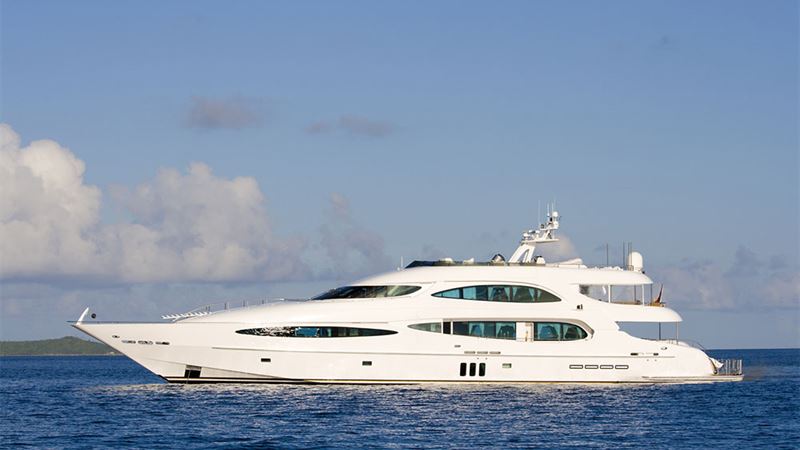
Owning a boat can be an incredible experience, whether you're into leisure sailing, powerboating, or yachting. When considering purchasing or selling a used boat, understanding the key factors that influence its value is essential for making an informed decision. The life cycle of a boat, in terms of condition, make, model, age, and history, all play significant roles in determining its market worth. This comprehensive guide dives deep into used boat features, pricing strategies, market trends, and expert tips to help you navigate the complex world of used boats with confidence.
One of the most critical factors affecting a used boat's price is its overall condition. A boat that has been well-maintained, serviced regularly, and shows minimal wear and tear will naturally command a higher price than one needing extensive repairs or refurbishing. Prospective buyers often scrutinize the exterior hull, interior furnishings, engine status, and navigation systems to assess the vessel's health. An aesthetically pleasing, mechanically sound boat fresh from maintenance will stand out in the marketplace. The condition can often be a reflection of the owner’s dedication and investment, which adds to the boat's desirability and value.
Beyond the condition, the boat’s make and model significantly impact pricing. Renowned brands like Boston Whaler, Sea Ray, and Bayliner are highly sought after due to their durability, reputation, and resale value. Classic models tend to retain value better and may even appreciate over time, especially if they are considered collector's items. Conversely, lesser-known brands might depreciate faster unless they have unique features or historical significance. Additionally, the age of the boat influences its market price - newer boats typically carry a higher price tag but might come with higher maintenance costs, whereas older vessels may be more affordable but require careful inspection for potential issues.
Historical provenance and unique features can also boost a boat’s value. Boats with interesting ownership histories, limited editions, or notable previous owners often fetch a premium. Features like upgraded navigation systems, modern engines, luxury interiors, or advanced safety equipment can set a used boat apart from others and justify a higher asking price.
The used boat market is constantly evolving, influenced by economic conditions, seasonal trends, and technological advancements. This fluctuation makes pricing an ongoing challenge for both buyers and sellers. To accurately gauge current market values, consulting with seasoned brokers or industry experts is highly recommended. These professionals have in-depth knowledge of regional demand, recent sales, and pricing fluctuations, enabling them to provide realistic appraisals. For example, recent market data suggests that restoring a boat valued at $40,000 could cost around $100,000, depending on the scope of refurbishment and required repairs.
When it comes to selling a used boat, setting the right price is crucial. Overpricing can deter potential buyers, while underpricing might lead to financial loss. A strategic approach includes researching comparable listings, recent sales, and market trends in your area. Online platforms, boat marketplaces, and industry publications are excellent resources for benchmarking prices. Typically, used powerboats such as motor yachts and cruiser vessels tend to sell between $75,000 and $150,000, depending on size and condition. For those looking to sell or buy faster, exploring local classifieds and online marketplaces can provide a clearer picture of current market demand.
If you're interested in acquiring an older sailboat, understanding the prevailing price spectrum is beneficial. Used sailboats can range widely in price—from as low as $10,000 for small, older boats to well over $1 million for luxury yachts equipped with premium amenities. Factors influencing these prices include size, age, build quality, sailing capabilities, and onboard features. A well-preserved vessel over 20 years old can still hold substantial value, especially if it has been maintained properly and includes desirable features like modern rigging or upgraded sails. Conversely, a relatively new sailboat in poor condition may not command a high price unless it offers significant advantages.
Another category of used vessels gaining interest is personal warcraft—often vintage or classic models. Despite declining values over recent years, certain personal warcrafts can still attract decent offers, particularly if they hold historical significance or unique design aspects. For instance, the valuation of old personal warcrafts typically falls between $60,000 and $75,000, depending on their age, condition, and rarity. The market for such items is specialized, and prices are often determined via online auction sites or dedicated collector forums. Comparing auction results and listing prices across various platforms helps sellers gauge the true market value.
Accurately pricing a used boat or vehicle requires thorough research and an understanding of current market dynamics. Overestimating your vessel’s worth or relying solely on optimistic estimates can lead to extended time on the market or disappointment. Conversely, pricing too low might result in leaving money on the table. Consulting with experienced brokers or marine appraisers can streamline the process, ensuring realistic pricing. Properly listed items, with detailed descriptions, high-quality photos, and fair prices, tend to sell faster and closer to their asking price. Remember, buyers appreciate transparency, so being upfront about condition, history, and any recent upgrades is essential for a smooth sale.
