
Mastering the Art of Minimalist Kitchen Design
Discover the transformative power of minimalist kitchen design. Learn how to declutter, choose essential appliances, optimize storage, and create a serene, functional space that enhances your cooking experience. Embrace simplicity and functionality with expert tips for a more organized, stylish kitchen.
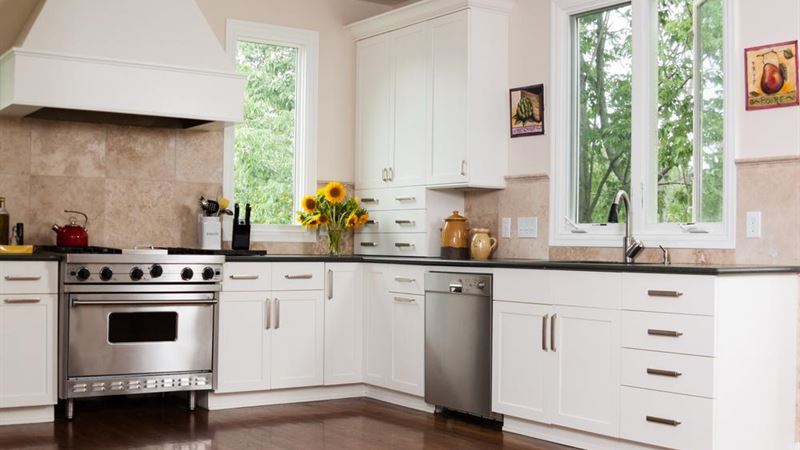
Creating a minimalist kitchen is both an art and a science, centered on reducing clutter and emphasizing simplicity without sacrificing functionality. The journey begins by evaluating your current kitchen setup and making conscious choices to eliminate unnecessary items. Start by decluttering your dinnerware and cutlery—limit yourself to a maximum of ten pieces each, regardless of hosting frequency. Excess sets take up valuable space and create visual chaos. Consider donating or storing away the surplus to maintain a clean, streamlined environment.
Next, examine your small appliances. How many various gadgets do you really need? Many households accumulate multiple devices like ice cream makers, coffee machines, bread makers, and more. The key is to keep only the essential: just one versatile appliance per category. For example, choose the best coffee maker that suits your needs and ditch the rest. Moving forward, avoid purchasing additional appliances labeled as "makers" unless absolutely necessary, to prevent clutter buildup.
This philosophy applies just as much to small kitchen gadgets. Items like electric egg beaters, garlic presses, or mandoline slicers—if they are rarely used—should be reconsidered. A simple fork and a handful of quality knives are sufficient for most cooking tasks. Keep them three or four, stored neatly in a dedicated drawer. The goal is a counter free of every small device except those actively used daily. This creates spaciousness and enhances your cooking experience, allowing you to focus on preparing meals rather than managing cluttered surfaces.
When it comes to pots, pans, and other cookware, less is certainly more. A minimalist kitchen typically features three essential pots, a single pan, and optionally, a cast-iron skillet. These pieces serve most cooking needs effectively. Excess cookware not only consumes space but also contributes to visual clutter. If you have a large, well-lidded pot, there's no need for additional appliances like crockpots, which often duplicate functionality. Selecting versatile, high-quality items ensures your kitchen remains functional without becoming overcrowded.
Storage solutions play a crucial role. Efficient use of cabinetry helps maintain a tidy space. Avoid stuffing cabinets; instead, organize thoughtfully to optimize space. Open shelving can be an excellent way to introduce light into smaller kitchens while displaying select, attractive items—perhaps a copper kettle or glassware—adding a touch of personality without cluttering surfaces. Corner cabinets are often underutilized; designing them as drawers or incorporating glass doors to showcase decorative or frequently used items can maximize their usefulness. Skilled cabinetry with smart storage allows your kitchen to remain open and airy, embodying minimalist principles.
Remember that minimalism is fundamentally about intentionality. Less is more—not necessarily about eliminating everything but about removing the surplus and keeping only what adds value and joy. A clutter-free, well-organized kitchen fosters a calm environment conducive to enjoyable cooking and hosting. Achieving this balance requires evaluating every item for its purpose and replacing excess with well-chosen, high-quality essentials. This approach results in a kitchen that is not only functional but also a serene, inviting space where simplicity reigns supreme.