
Innovative Strategies to Maximize Kitchen Cabinet Storage Capacity
Discover innovative techniques to maximize your kitchen cabinet space through smart shelving, open design, and creative storage solutions. Learn how to organize efficiently, free up space, and create a more spacious and functional kitchen environment with practical tips including installing extra shelves, removing cabinet doors, using hooks for mugs and utensils, and maximizing vertical space. Transform your cluttered kitchen into an organized haven and enjoy a more accessible, stylish, and efficient cooking area.
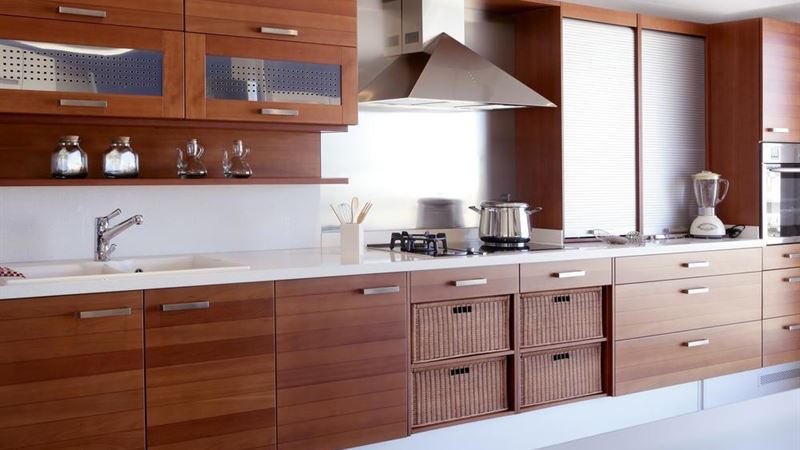
Efficient use of kitchen cabinet space is crucial for maintaining a clutter-free and functional kitchen environment. With smart modifications and creative storage solutions, you can significantly increase storage capacity without compromising style or accessibility. This comprehensive guide explores various techniques and innovative ideas to optimize your kitchen cabinets, helping you make the most out of your available space. From installing additional shelves to creative hooks and organizational accessories, learn how to transform your kitchen into a well-organized and spacious area.
Add Additional Shelves: One of the simplest yet most impactful ways to enhance cabinet capacity is by installing extra shelves inside existing cabinets. Depending on the woodwork and structure of your cabinets, small and adjustable shelves can be added to subdivide large cabinet spaces into several compartments. This vertical organization allows you to efficiently store a wide range of kitchen essentials such as spices, canned goods, or small appliances, without cluttering the space. Adjustable shelves are especially beneficial because they can cater to items of various heights, making your storage system flexible and adaptable to changing needs.
Remove or Replace Cabinet Doors: To create an illusion of openness and to maximize space, consider removing cabinet doors, particularly on wall-mounted cabinets and those beneath the countertop. Open shelving enhances accessibility and visually expands the kitchen, making it feel less cramped. If removing doors isn't an option, replace heavy, dark-colored cabinet doors with transparent or lighter shades to reflect more light and give a breezy, airy dimensionality to the space. Open shelves also make it easier to find and grab frequently used items, improving efficiency during cooking or cleaning.
Use Wall Hooks for Mug and Tool Storage: Hanging mugs and kitchen tools on hooks is a highly practical solution to save cabinet space and prevent clutter. Instead of stacking mugs inside cabinets—where they can be difficult to access and prone to breakage—install hooks on a wooden beam, a backsplash, or a dedicated hanging rail. This not only keeps your mugs within easy reach but also adds a decorative element to your kitchen. Similarly, hanging kitchen utensils, spatulas, and ladles on hooks attached to the side of cabinets or walls helps keep countertops free and organized.
Optimize Glassware and Bar Storage: Organizing wine glasses, beer mugs, and other barware can be challenging in limited spaces. Installing wire or metal racks on the side of wall cabinets or inside pantry doors provides a designated spot for hanging and displaying your glassware. This method keeps your decorative items accessible and prevents overcrowding inside cabinets, allowing for better organization and easier cleaning. Specialized hanging racks are available in various sizes, making them adaptable for different types of glassware.
Accessible Kitchen Towel Holders: Instead of wrapping kitchen towels around the fridge handle, attach a towel holder or ring on the side of your counter or near the sink. This ensures towels are within easy reach and keeps the area tidy. Adding small hooks or bars on the side of cabinets or drawers is an excellent way to store towels, dishcloths, sponges, and pot holders, making cleanup tasks quicker and more organized.
Maximize Vertical Space in Dining Areas: If your kitchen includes a dining section, utilize the wall space beside existing cabinets. Installing hooks or small shelves can turn these areas into additional storage zones for keys, fresh herbs, vegetables, or decorative jars. Hanging storage containers can be used for storing smaller items or pantry staples, freeing up cabinet space and maintaining a tidy, functional environment.
Hang Heavy Kitchen Tools: Large utensils, cutting boards, and heavy kitchen tools often occupy a lot of cabinet space, which could be better used for other items. Instead of stashing these bulky items inside cabinets, hang them on hooks or rails attached to the walls, ceilings, or the edges of cabinets. Magnetic strips can be used for knives, while wall-mounted racks can hold cutting boards and large utensils, keeping your countertops clear and your tools within easy reach. This approach not only saves space but also enhances the kitchen's overall aesthetic.
With careful planning and strategic adjustments, you can transform your existing kitchen cabinets into a highly organized and spacious storage system. Remember, the key lies in maximizing vertical space, employing vertical organizers like hooks and racks, and eliminating bulky doors or unnecessary clutter. Regularly decluttering and reassessing your storage solutions will ensure your kitchen remains functional, spacious, and efficient for years to come.