
Comprehensive Guide to Managing Scalp Psoriasis: Causes, Symptoms, and Treatments
Discover comprehensive insights into scalp psoriasis, including its causes, symptoms, and a wide range of effective treatment options. Learn how to manage flare-ups, prevent hair loss, and keep your scalp healthy and clear through personalized care strategies. Whether mild or severe, understanding your condition can improve your quality of life and restore your confidence.
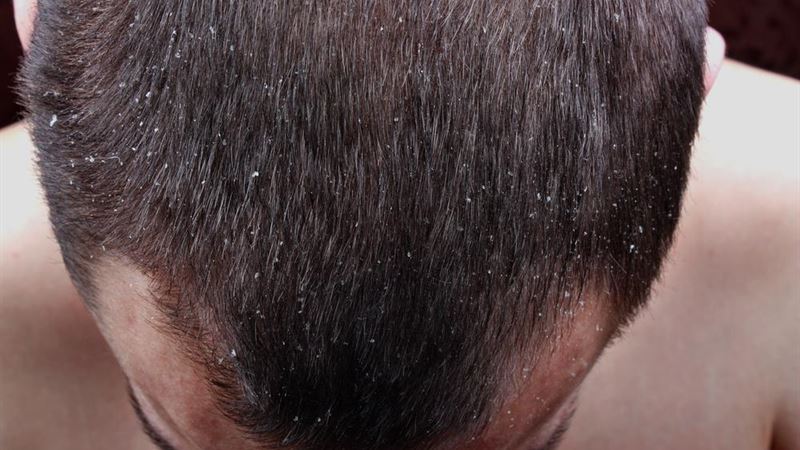
Scalp psoriasis is a common dermatological condition that can extend beyond the scalp itself, affecting areas like the forehead, the back of the neck, and behind the ears. While it primarily manifests as a skin disorder, its implications can reach into comfort, confidence, and overall health. Understanding the causes, recognizing symptoms, and exploring effective treatment options are crucial for managing this chronic condition.
Psoriasis, including scalp psoriasis, is widely believed to be rooted in genetic factors that influence immune system functioning. Specific genetic mutations or predispositions can render certain individuals more susceptible. However, environmental factors—such as stress, infection, or skin injuries—also act as triggers for onset or flare-ups, especially in genetically predisposed individuals. The role of emotional stress, in particular, has been a topic of debate; although many patients report exacerbation with stress, scientific studies have yet to establish a direct causal relationship.
It's important to note that scalp psoriasis does not directly cause hair loss. Nevertheless, the intense itching, persistent scratching, and harsh treatment practices associated with managing symptoms can lead to temporary hair thinning or hair loss. Proper management, therefore, is essential to prevent secondary hair problems and promote scalp health.
Most individuals with scalp psoriasis experience the formation of abnormal skin cells that multiply at an accelerated rate, resulting in the development of thick, powdery scales called plaques. These plaques are often surrounded by inflamed, reddened skin, which can become intensely itchy. The severity of the condition varies—from mild patches that may resolve spontaneously to extensive areas requiring comprehensive treatment.
In mild cases, the condition might improve without medical intervention, especially with good scalp hygiene and moisturizer use. However, persistent or worsening symptoms usually necessitate targeted therapies. It can take weeks to months, depending on the severity, to effectively control or reduce dandruff and scaling. Regular use of medicated shampoos and moisturizers, along with lifestyle adjustments, help maintain remission and prevent flare-ups.
Treatment regimens are often customized, including the rotation of various topical agents such as corticosteroids, vitamin D analogs, keratolytics, and salicylic acid preparations. In cases where scalp psoriasis persists or is part of more extensive psoriatic disease, systemic treatments—like biologic agents or oral medications—may be warranted. These systemic therapies are typically reserved for moderate to severe cases or when other parts of the body are affected.
Beyond medication, lifestyle modifications, stress management, and avoidance of known triggers are integral to managing scalp psoriasis effectively. Regular scalp care routines, including gentle washing, avoiding harsh chemicals, and using prescribed medicated products, can help control symptoms and improve quality of life.
While scalp psoriasis is a long-term condition, many patients experience significant improvements with consistent treatment and care. The key is early diagnosis, appropriate therapy, and ongoing management to prevent complications and support healthy hair growth once the skin clears.