
Comprehensive Guide to Recognizing and Managing Scalp Psoriasis
Explore an in-depth overview of scalp psoriasis, including its key symptoms, causes, and effective management strategies. Learn how early diagnosis and proper treatment can improve your quality of life and prevent serious complications. This comprehensive guide provides valuable insights into recognizing scalp psoriasis and maintaining scalp health effectively.
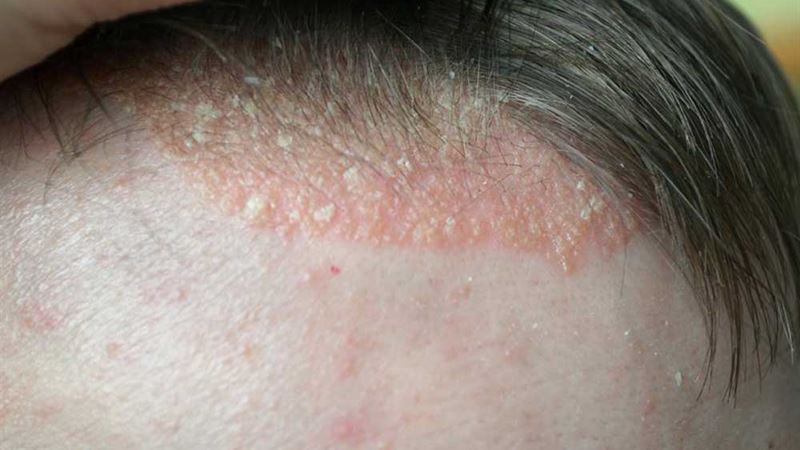
Scalp psoriasis is a common and often distressing skin condition that affects many individuals worldwide. Recognizing the symptoms early can significantly improve management and quality of life. This extensive guide provides detailed information about the symptoms, causes, and effective treatment options for scalp psoriasis.
Understanding the symptoms is the first step toward proper diagnosis and treatment. The following are prevalent signs to watch out for:
- Elevated, reddish, and scaly patches: These are hallmark features of psoriasis. The affected skin appears raised, with a reddish hue, and is covered with a silvery or white scale. The patches are typically well-defined and might vary in size and severity.
- Silvery or white flakes: As psoriasis progresses, white or silvery flakes often develop on the surface of the affected areas. These flakes can be easily dislodged with gentle scratching or combing, shedding onto clothes, shoulders, or around the hairline.
- Dandruff-like shedding: The flaky scales closely resemble dandruff. These flakes often fall onto your neck, shoulders, or face, especially when you comb or scratch the scalp. While dandruff can be similar, psoriasis flakes are thicker and more persistent.
- Dry, itchy, and irritated scalp: The skin affected by psoriasis tends to become very dry and is often accompanied by itching. It can lead to a cycle of scratching, which worsens irritation and may cause skin damage.
Further symptoms that may develop include:
- Cracked and cracked skin: The dryness can cause the scalp to crack, leading to discomfort and increased vulnerability to infections.
- Soreness and burning sensation: Persistent itching can cause soreness or a burning feeling on the scalp. Excessive scratching may lead to tiny bleeding points, making the scalp sore and inflamed.
- Crusted lesions or sores: In severe cases, the psoriatic patches can develop into crusted sores or thick plaques, which may bleed or ooze.
- Hair thinning or hair loss: While scalp psoriasis doesn’t directly cause hair loss, prolonged inflammation, scratching, or significant skin damage can lead to hair thinning or shedding in affected areas.
It is noteworthy that approximately 3% of the American population suffers from psoriasis. When left untreated, severe scalp psoriasis can lead to thick crusted sores and persistent itching. These symptoms can interfere significantly with daily routines, sleep, and overall comfort. Therefore, early diagnosis and consistent management are essential for controlling symptoms and improving quality of life.
Effective treatment options include topical medications, phototherapy, systemic drugs, and lifestyle adjustments. Maintaining scalp hydration, avoiding triggers such as stress and harsh hair products, and following medical advice can help manage this chronic condition efficiently. Consulting a dermatologist at the first sign of symptoms ensures a tailored treatment plan to combat scalp psoriasis.
Endeavoring to understand the signs and treatment options for scalp psoriasis can empower individuals to take proactive steps toward better scalp health, alleviating discomfort and preventing complications.