
Essential Maintenance Tips to Keep Your Vehicle in Top Condition
Discover comprehensive vehicle maintenance tips to ensure your car remains efficient, safe, and reliable. Learn about essential routine checks, timely replacements, and best practices for car care that help extend the lifespan of your vehicle and prevent costly repairs. This detailed guide covers oil changes, air filter replacements, tire pressure maintenance, and more, providing practical advice suitable for all car owners aiming for optimal vehicle performance and safety.
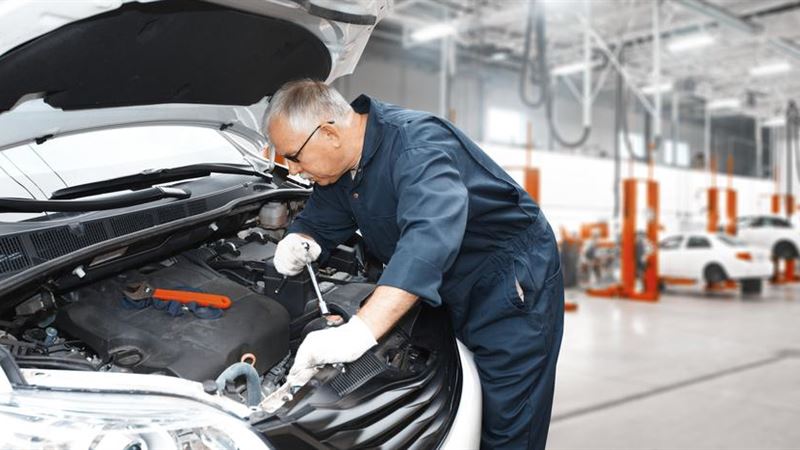
Maintaining your vehicle is critical for ensuring optimal performance, safety, and longevity. Over time, various components of your car will naturally wear out or become less effective, necessitating timely replacements and maintenance procedures. Staying proactive with regular vehicle upkeep helps prevent unexpected breakdowns and costly repairs. While routine services such as oil changes and tire checks are well-known, there are less obvious maintenance tasks that are equally vital for keeping your car running smoothly and efficiently. In this comprehensive guide, we explore essential maintenance routines, the importance of timely replacements, and practical tips to extend the lifespan of your vehicle, all while ensuring your driving experience remains safe and enjoyable.
- Regularly Replace Engine Air Filters: Ensuring your engine breathes clean air is fundamental to efficient performance. Dirty or clogged air filters restrict airflow to the engine, reducing fuel economy, slowing acceleration, and increasing emissions. It's recommended to check and replace your air filters every six months or sooner if driving in dusty conditions. Simple to replace, this maintenance task can save you money at the pump and prolong your engine’s lifespan.
- Perform Routine Oil Changes and Fluid Checks: Engine oil lubricates vital components, prevents overheating, and reduces wear and tear. Neglecting oil changes can lead to severe engine damage and void your vehicle’s warranty. Experts suggest replacing your engine oil approximately every three months or after every 3,000 to 5,000 miles, depending on driving habits and oil type. Additionally, inspecting coolant, transmission fluids, brake fluid, and power steering fluid ensures all systems operate smoothly and reduces the likelihood of breakdowns.
- Maintain Proper Tire Pressure: Ensuring your tires are inflated to the recommended PSI improves safety, handling, and fuel consumption. Under-inflated tires cause uneven wear, increase rolling resistance, and can lead to blowouts, while over-inflated tires reduce grip and comfort. Regularly check tire pressure at least once every three months or before long trips, using a reliable gauge. Don't forget to inspect the spare tire as well. Properly maintained tires contribute to better driving outcomes and extend tire life.
- Keep Your Vehicle Clean and Protected: Regular washing removes dirt, bird droppings, leaves, and chemical residues that can damage your vehicle's paint and cause corrosion. Use appropriate cleaning supplies such as car-specific soap, glass cleaner, and wax to protect your vehicle's exterior. Applying wax once in a while provides a protective barrier against environmental elements, preserving the paint and enhancing shine. Clean surroundings and proper washing help maintain resale value and improve your car's appearance.
- Additional Maintenance Tips for Longevity and Safety: Besides the basics, consider checking brake pads and rotors periodically, replacing windshield wipers to maintain clear visibility, inspecting belts and hoses for wear, and replacing spark plugs at recommended intervals. Keep an eye on dashboard warning lights and get your vehicle inspected by professionals annually. Maintaining your vehicle regularly not only prevents costly repairs but also ensures safety for you and your passengers.
In conclusion, keeping your vehicle in excellent condition involves a combination of routine checks and timely replacements. Implementing these maintenance practices reduces the risk of unexpected breakdowns, improves fuel efficiency, enhances safety, and prolongs the life of your car. Car owners who prioritize regular maintenance often enjoy a smoother, more reliable driving experience while saving money in the long run. Remember to keep detailed service records and consult your vehicle’s owner manual for specific maintenance schedules tailored to your model. Staying proactive with your vehicle maintenance is the best way to enjoy peace of mind and reliable transportation for years to come.