
Essential Vehicle Maintenance and Service Tips to Keep Your Car in Top Shape
Learn comprehensive vehicle maintenance tips to keep your car performing at its peak. Covering air filters, oil changes, tire pressure, and regular washing, this guide helps you extend your vehicle’s lifespan, improve safety, and optimize efficiency. Proper care now saves you money on costly repairs later, ensuring a smoother driving experience. Stay ahead with routine inspections, timely replacements, and professional advice for your car’s health. Protect your investment and enjoy long-term reliability by following these essential maintenance practices regularly. Keep your vehicle in top condition with our expert tips.
Air Filter Replacement: One of the simplest yet most vital maintenance tasks is replacing the air filter regularly. Your car's engine relies on clean air to function optimally, and a clogged or dirty air filter can significantly reduce engine efficiency. This can lead to sluggish acceleration, decreased fuel economy, and increased emissions. Typically, it's recommended to replace your air filter every six months or after every 6,000 miles, depending on driving conditions. If you frequently drive in dusty or polluted environments, more frequent replacements might be necessary. Regularly inspecting the air filter and replacing it when dirty will help your engine breathe easier, leading to smoother operation and better fuel efficiency.
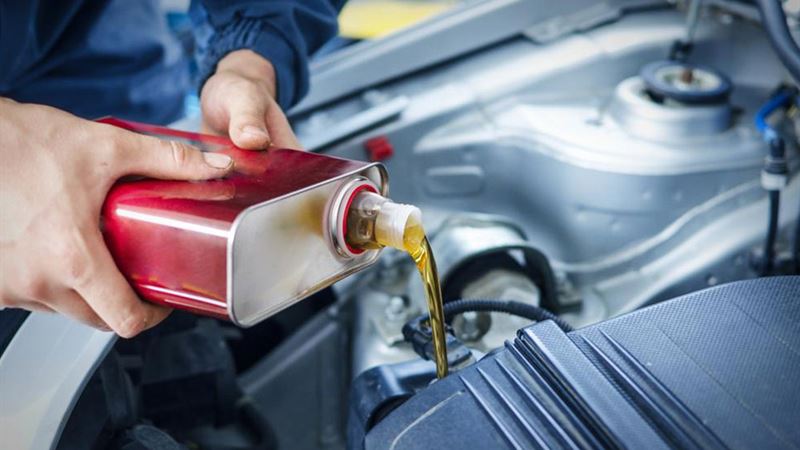
Oil Change and Lubrication: Regular oil changes are the cornerstone of vehicle maintenance. Engine oil lubricates critical moving parts, prevents overheating, and reduces wear and tear. Neglecting oil changes can cause engine damage, reduce fuel efficiency, and void manufacturer warranties. Most experts recommend changing the oil every three months or approximately 3,000 to 5,000 miles, although this can vary based on vehicle make and driving habits. When changing oil, also check the condition of oil filters, hoses, belts, and cooling system components. Using the correct type of oil, as specified in your vehicle's manual, is essential for optimal performance. Properly maintained oil levels and quality help ensure your engine operates smoothly and lasts longer.
Maintaining Proper Tire Pressure: Your vehicle's tires are critical for safety, handling, and fuel economy. Under-inflated or over-inflated tires can cause uneven wear, reduce grip, and increase the risk of a blowout, especially on long journeys or highways. Use a reliable tire pressure gauge to check the air pressure at least once every three months or before long trips. Don't forget to check the spare tire as well, as it often remains unused but can be a lifesaver during emergencies. Maintaining optimal tire pressure improves fuel efficiency, vehicle handling, and braking performance. Ensure your tires are correctly aligned and balanced periodically to prevent uneven tread wear and extend their lifespan. Proper tire maintenance adds to your safety and helps save money over time.
Regular Washing and Detailing: Keeping your vehicle clean isn't just about appearance—it also preserves the car's paintwork and prevents corrosion. Regular washing removes dirt, bird droppings, leaves, and chemicals that can erode paint and cause rust over time. Use gentle, appropriate cleaning products designed for automotive finishes; avoid harsh detergents that can strip protective coatings. Consider applying a fresh coat of wax after washing to reinforce paint protection and enhance shine. Detailing your vehicle periodically can address minor scratches, clean the interior thoroughly, and restore your car's new-like appearance. Additionally, a clean vehicle provides a more pleasant driving experience and preserves resale value. Incorporate washing and detailing into your routine maintenance schedule for long-term vehicle health.