
Comprehensive Nutritional Strategies to Combat Excessive Sweating
Discover effective dietary strategies to control excessive sweating with a detailed guide on foods and nutrients that help regulate body temperature, reduce sweating episodes, and improve overall wellness. Learn about hydration, calcium, magnesium, and more for managing hyperhidrosis naturally.
Understanding the role of diet in controlling excessive sweating involves recognizing how certain nutrients influence body functions such as temperature regulation, nerve activity, and metabolic processes. Adopting a balanced approach to nutrition not only alleviates symptoms but also improves overall health. Below, we detail key dietary components, their benefits, and practical tips for integrating them into your daily routine.
- Fruits and Vegetables Rich in Hydration and Cooling Properties
Fresh fruits and vegetables are excellent choices for anyone dealing with hyperhidrosis, as they are naturally hydrating and contain compounds that help cool the body. Watermelon, with its high water content, offers a refreshing way to stay hydrated while providing antioxidants that combat free radicals. Apples and oranges are excellent for their vitamin C content, which supports immune health. Peaches, pineapples, strawberries, and grapes are also rich in vitamins and flavonoids that promote skin health and reduce inflammation.
Leafy greens such as spinach and lettuce contain magnesium and other minerals essential for balancing body temperature. Cucumbers and celery are predominantly water, making them perfect snacks for hydration. Bell peppers and red cabbage are loaded with vitamins A and C, which support skin integrity and overall health.
- Importance of Calcium-Rich Foods
Calcium plays a crucial role in regulating body temperature and nervous system function. For individuals experiencing hyperhidrosis, ensuring an adequate intake of calcium-rich foods can make a notable difference. Incorporate low-fat dairy products such as milk, cheese, and yogurt into your diet to meet your calcium needs without excess fat, which could trigger more sweating. Dark leafy greens like kale, collard greens, and broccoli are also good sources of calcium, especially for those who prefer plant-based options.
It’s vital to balance calcium consumption, especially for those with dietary restrictions or health conditions that limit dairy intake. Fortified plant milks and calcium supplements can also support your dietary goals. Remember, a calcium-deficient body may struggle with temperature regulation, leading to more episodes of sweating.
- Incorporating Green Tea for Natural Cooling
Decaffeinated green tea is renowned for its calming properties and ability to help regulate body temperature. Replacing coffee with green tea can provide a gentle, natural method to reduce nervous tension, a common trigger for hyperhidrosis. Green tea also contains antioxidants called catechins, which promote overall skin health and may aid in reducing inflammation associated with excessive sweating.
Consuming warm or cold green tea daily can serve as a soothing ritual, helping you manage stress and sweat levels effectively. Remember to choose decaffeinated options to avoid stimulant-induced increases in sweating or jitters.
- Foods Rich in Magnesium
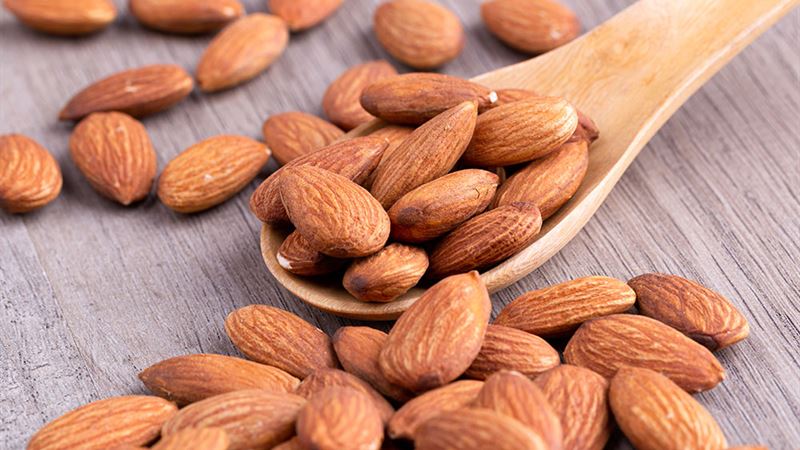
Magnesium plays a significant role in nerve function, metabolic regulation, and immune support. A deficiency may exacerbate sweating symptoms, so including magnesium-rich foods in your diet is advisable. Almonds, cashews, pumpkin seeds, spinach, soybeans, and dark chocolate are excellent sources. Regular consumption of these items can contribute to better nervous system regulation and reduce hyperhidrosis episodes.
Especially for individuals with a jittery or anxious disposition, magnesium can help soothe nerves and promote relaxation, thereby diminishing sweating caused by stress or emotional triggers.
- Healthy Fats and Nutrients: Olive Oil
Olive oil, a cornerstone of the Mediterranean diet, is packed with antioxidants and monounsaturated fats. Its anti-inflammatory properties support skin health and can aid in reducing excessive sweating. Incorporating extra virgin olive oil into your salads, sautés, and dressings not only enhances flavor but also provides essential nutrients that promote metabolic health and digestion.
Choosing high-quality, cold-pressed olive oil ensures maximum nutrient preservation, allowing you to leverage its full health benefits. Regular intake may help modulate the body’s response to heat and stress, thus reducing hyperhidrosis symptoms.
- Hydration: The Cornerstone of Temperature Control
Maintaining optimal hydration levels is crucial for managing hyperhidrosis. Drinking plenty of water helps regulate body temperature, flush out toxins, and support overall metabolic functions. While the old standard suggested eight glasses of water daily, individual needs vary based on activity level, climate, and health status.
To stay adequately hydrated, carry a reusable water bottle, especially when traveling or during busy workdays. Incorporate water-rich foods like watermelon and cucumber to supplement hydration. Monitoring urine color can serve as an effective indicator of hydration status—aim for a light, straw-colored urine for optimal hydration.
- Foods Supporting Healthy Metabolism: Vitamin B-Rich Options
Vitamin B complexes are vital for energy production and metabolic efficiency. Foods rich in vitamin B include fatty fish such as salmon, lean beef, eggs, and leafy greens like spinach and kale. Including these in your diet can help improve metabolic processes, reduce fatigue, and stabilize body temperature regulation.
For individuals with sluggish metabolism, slow digestion and energy depletion can lead to increased sweating. Ensuring an adequate intake of B vitamins can support steady energy levels and reduce the likelihood of sweating episodes triggered by fatigue and stress.
- Medical Interventions: Botox and Other Treatments
For persistent or severe cases of hyperhidrosis, medical procedures like Botox injections may be considered. Botox works by temporarily blocking the nerves responsible for activating sweat glands, providing relief for months at a time. Although effective, Botox treatments are often expensive and may not be covered by insurance, making them less accessible for some patients.
Before opting for Botox, consulting with a healthcare professional is essential to assess suitability, potential side effects, and alternative options. Combining medical treatment with lifestyle and dietary modifications offers a comprehensive approach to managing excessive sweating effectively.