
Understanding Excessive Sweating: Causes, Conditions, and Treatments
Excessive sweating, or hyperhidrosis, can be caused by hormones, diet, emotional factors, or underlying health conditions like hyperthyroidism and diabetes. Effective management involves lifestyle changes, medications, and medical procedures. Recognizing triggers and consulting healthcare providers can improve comfort and confidence.
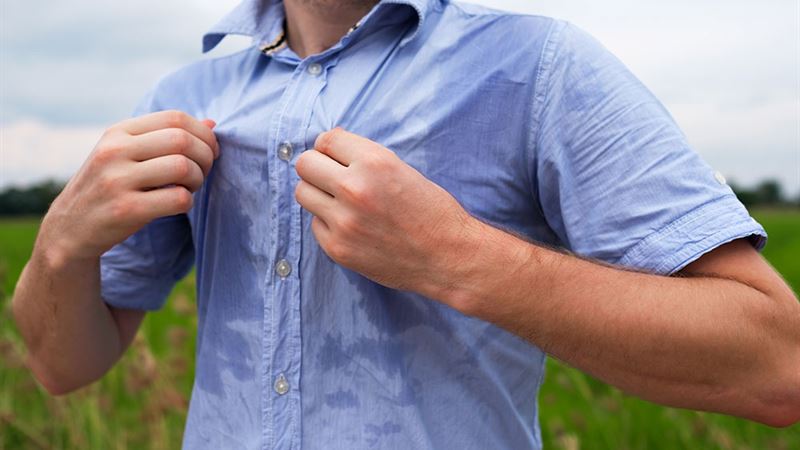
Excessive sweating, medically known as hyperhidrosis, can significantly impact daily life and emotional well-being. While sweating is a natural response to regulate body temperature, some individuals experience sweating that is disproportionate, persistent, and sometimes unpredictable. These abnormal sweating patterns can stem from various causes, including biological, environmental, and psychological factors. Understanding the underlying reasons behind excessive sweating can help in managing this condition effectively.
Hormonal Fluctuations
Hormones play a crucial role in regulating many bodily functions, including temperature control. Fluctuations in hormones such as estrogen and progesterone can influence sweating patterns. For example, during menopause, women often experience hot flashes due to decreased estrogen levels, leading to sudden and intense sweating episodes. Similarly, hormonal imbalances caused by thyroid disorders or other endocrine issues can contribute to abnormal sweating.
Diet and Food Triggers
Dietary choices can significantly impact sweating levels. Consuming spicy foods, which contain capsaicin, stimulates the sweat glands, leading to gustatory sweating—excessive sweating triggered by eating. Beverages like coffee, tea, soda, and alcohol can also stimulate sweating due to their stimulant properties. Identifying and avoiding these triggers can help manage excessive sweating episodes.
Emotional and Psychological Factors
Emotional states like stress, anxiety, fear, or embarrassment can activate the body's sympathetic nervous system, resulting in increased sweating. This type of sweating is a normal response to emotional stimuli but can become problematic if it occurs frequently or intensely. Managing stress through relaxation techniques, therapy, or medications can alleviate these symptoms.
Primary Focal Hyperhidrosis
Primary focal hyperhidrosis is a common condition characterized by localized excessive sweating without any apparent underlying cause. Typically, specific areas such as the palms, soles, underarms, or face are affected. This condition often begins during adolescence or young adulthood and can be socially and professionally limiting. The skin in affected areas may become soft, white, flaky, and prone to skin infections like athlete’s foot, jock itch, or bacterial skin infections.
Secondary Hyperhidrosis and Underlying Medical Conditions
Unlike primary hyperhidrosis, secondary hyperhidrosis occurs due to other health issues or medications. Some of the conditions linked to excessive sweating include:
- Hyperthyroidism: An overactive thyroid gland produces excess thyroxine, leading to a high metabolic rate that causes symptoms such as excessive sweating, rapid heartbeat, weight loss, and irritability. People with hyperthyroidism often experience heat intolerance and sweaty palms.
- Diabetes Mellitus: Diabetes can lead to abnormal sweating patterns, especially when blood sugar levels fluctuate drastically. Low blood sugar (hypoglycemia) can cause sweating, hunger, and weakness. Chronic diabetes may damage nerves responsible for sweating regulation, resulting in neuropathy that either diminishes or augments sweating.
- Menopause: The decline in estrogen levels during menopause leads to hot flashes and severe night sweats, greatly affecting sleep quality and comfort.
- Infections and Other Conditions: Certain infections, such as tuberculosis or malaria, and chronic illnesses like obesity or cardiovascular diseases, can also cause excessive sweating as a secondary symptom.
Effective Management and Treatments
Managing excessive sweating involves both lifestyle adjustments and medical interventions. Over-the-counter options like antiperspirants and deodorants can offer immediate relief. Antiperspirants containing aluminum compounds temporarily block sweat glands, reducing perspiration. Deodorants mainly combat odor by killing bacteria that produce sweat smell but don’t reduce sweat production.
For persistent cases, medical treatments are available:
- Medications: Oral anticholinergic drugs can help reduce sweating but may have side effects like dry mouth and blurred vision.
- Botox Injections: Botulinum toxin can be injected into affected areas to block nerve signals responsible for sweating, providing relief for several months.
- Iontophoresis: A procedure which uses electrical currents to reduce sweating, typically for hands and feet.
- Surgical Options: In severe cases, procedures like sympathectomy (cutting nerves responsible for sweat signals) or removal of sweat glands are considered.
Preventive Measures and Lifestyle Tips
Understanding triggers and adopting certain strategies can help control excessive sweating:
- Avoid spicy foods, caffeine, and alcohol if they tend to cause sweating.
- Maintain a cool, well-ventilated environment.
- Wear breathable, moisture-wicking clothing.
- Practice stress management techniques like meditation or yoga.
- Maintain good skin hygiene to prevent infections related to sweating.
In conclusion, excessive sweating can stem from various normal and abnormal causes. Recognizing the signs, understanding your body's triggers, and seeking appropriate treatment can significantly improve quality of life. If sweat episodes are frequent, severe, or associated with other symptoms, consulting a healthcare professional is essential to determine the underlying cause and develop a personalized management plan.