Discover the comprehensive benefits of waterproofing your basement floor, including health, structural integrity, property protection, water conservation, and financial savings. Learn effective methods, signs of water issues, contractor selection, and maintenance tips to ensure a dry, safe basement that enhances your home's value and longevity.
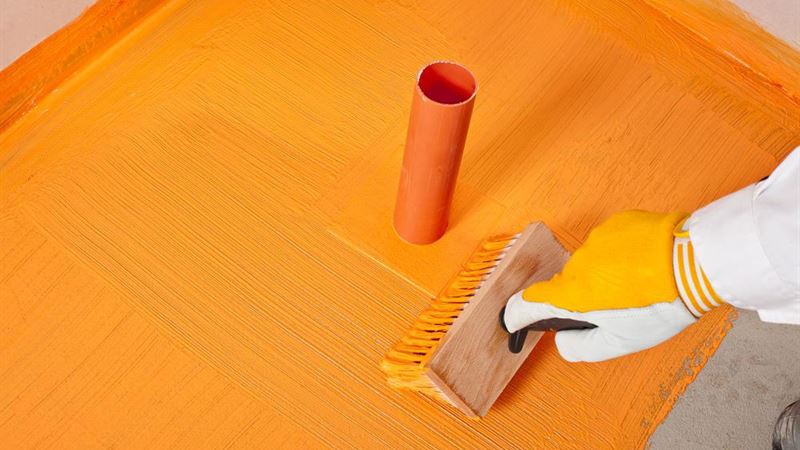
Ensuring your basement floor is properly waterproofed is a critical step in maintaining the structural integrity and safety of your home. Basement waterproofing acts as a shield against moisture ingress, preventing a host of potential problems that can compromise your property’s foundation and your health. Whether you plan to use your basement for storage, recreational purposes, or as an additional living space, protecting it from water damage is essential for long-term durability and cost savings.
In this comprehensive guide, we delve into the numerous advantages of basement floor waterproofing, covering health benefits, structural protection, property preservation, water conservation, and financial savings. We'll also explore the common methods used, how to identify the need for waterproofing, choosing reliable contractors, and maintenance tips for sustained performance.
- Preventing Mold and Mildew Growth
Water intrusion creates the perfect environment for mold and mildew to thrive. Mold spores are invisible to the naked eye but pose significant health risks, especially for individuals with allergies, asthma, or weakened immune systems. Damp, dark spaces like basements are particularly susceptible to mold colonization if water seeps through cracks or leaks. Waterproofing basement floors provides a protective barrier, effectively eliminating moisture sources and preventing mold growth, which contributes to healthier indoor air quality and safer living conditions.
- Safeguarding Your Home’s Foundation
Uncontrolled water leakage can slowly erode the structural components of your home. Persistent moisture can weaken concrete, compromise the stability of the foundation, and lead to cracks and uneven settling. Waterproofing acts as a preventative measure, sealing the basement floor against water ingress and ensuring that the foundation remains solid and durable for decades. This stability is crucial not only for the safety of the occupants but also for maintaining the overall value of your home.
- Protection of Stored Items and Property
Many homeowners utilize their basements as storage areas for furniture, appliances, and sentimental items. Water leaks can cause severe damage to these belongings, resulting in costly replacements and loss of valuable keepsakes. A waterproofed basement floor creates a dry environment, protecting your stored possessions from water damage, mold, and rot. This proactive approach preserves your property’s worth and minimizes repair and replacement costs.
- Water Conservation and Responsible Resource Use
Leaks and drips from poorly waterproofed basements contribute significantly to water wastage, impacting both your water bills and the environment. Investing in proper waterproofing techniques reduces leaks and prevents unnecessary water loss, promoting eco-friendly living. By sealing your basement floor, you play an active role in conserving a vital natural resource while also lowering your household expenses.
- Reducing Insurance Costs and Preventing Extensive Repairs
Water damage is one of the leading causes of insurance claims among homeowners. These claims often involve costly repair work and lengthy restoration processes. Waterproofing your basement floor significantly lowers the risk of water-related damage, reducing the likelihood of filing claims and avoiding potential premium hikes. It’s a smart financial move that can save you considerable money and hassle over the years.
- Methods and Materials for Effective Waterproofing
There are various techniques available for basement floor waterproofing, each suited to different types of properties and levels of exposure. Common approaches include applying impermeable sealants or coatings, installing interior or exterior drainage systems, using waterproof membranes, and adding vapor barriers. An experienced waterproofing contractor can evaluate your specific needs and recommend the most effective solutions, ensuring durable, long-lasting protection.
- Signs Indicating the Need for Waterproofing
If you notice persistent dampness, water stains, musty odors, or efflorescence (white mineral deposits), these are clear signs that your basement requires waterproofing. Cracks in the flooring, visible seepage during heavy rains, or high humidity levels are additional indicators. Addressing these issues promptly helps prevent more severe damage and expensive repairs in the future.
- Selecting Reliable Contractors for Basement Waterproofing
Choosing skilled and reputable waterproofing specialists is vital for ensuring proper application and long-term results. Look for certified professionals with positive reviews, proven experience, and a track record of satisfied clients. Ensure they use high-quality materials and offer warranties on their services. Proper installation not only enhances the effectiveness of your waterproofing system but also guarantees peace of mind for years to come.
- Maintenance and Upkeep of Waterproofed Basements
Once your basement is waterproofed, routine inspections and maintenance are essential for sustaining its protective qualities. Keep gutters clean, ensure proper drainage around your property, and check for any signs of new cracks or seepage. Reapply sealants or coatings as recommended by professionals and address minor issues immediately to prevent costly repairs later. Regular care prolongs the lifespan of your waterproofing system and ensures your basement remains dry and secure.
In summary, basement floor waterproofing is a crucial investment for homeowners seeking a healthier, safer, and more resilient living environment. From preventing mold growth and protecting your foundation to saving money on repairs and promoting water conservation, the benefits are extensive. To maximize these advantages, consult experienced waterproofing contractors and adhere to proper maintenance routines. By making this prudent investment, you ensure your home remains a safe and valuable asset for many years to come.
