
Comprehensive Guide to Installing a Heat Pump for Efficient Home Heating and Cooling
This comprehensive guide provides detailed steps for installing a heat pump in your home, emphasizing proper site selection, connection techniques, and the importance of professional installation for optimal efficiency and safety. Learn about the costs involved, necessary tools, and long-term benefits of a heat pump system, making it a smart choice for year-round climate control and energy savings.
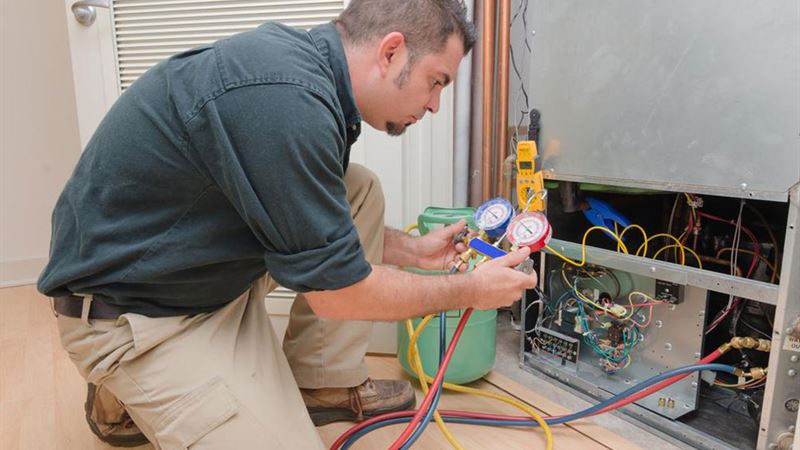
Installing a heat pump can significantly enhance your home's climate control, providing both heating and cooling solutions in a single, energy-efficient system. The process involves several essential steps to ensure optimal performance and longevity of the unit. Proper installation not only improves energy savings but also reduces maintenance issues and prolongs equipment lifespan. This detailed guide walks you through each phase of installing a heat pump, from site selection to final setup, ensuring you understand each component and the necessary precautions.
The very first step in installing a heat pump is selecting an ideal site for the outdoor condenser unit. It is crucial to mount the condenser in a location that is open, well-ventilated, and protected from outdoor elements such as excessive sun exposure, falling debris, and snow accumulation. A shaded spot is preferable, as it can improve efficiency by preventing overheating. The outdoor unit should be placed on a stable, level surface—often a concrete pad or a sturdy foundation—to prevent vibrations and noise during operation. Ensuring proper clearance around the condenser (typically at least two feet on all sides) is vital for airflow and maintenance access.
Next, focus on the indoor component—the air handler or indoor coil—placing it within approximately 30 feet of the outdoor condenser. This proximity reduces the length of refrigerant lines needed, which translates to lower installation costs and improved efficiency. The indoor unit should be mounted in a central location within the space, ideally on an interior wall, to facilitate even distribution of heated or cooled air. It’s important to ensure the installation spot has enough clearance for maintenance and is free from obstructions like furniture or curtains that could impede airflow.
Connecting the outdoor and indoor units involves running refrigerant lines and electrical wiring. Proper insulation of refrigerant lines is critical to prevent heat loss or gain and to ensure system efficiency. Carefully route the lines along walls or dedicated conduit paths, avoiding sharp bends that could damage the tubing. Covering wire and line connections with protective casing helps maintain a tidy appearance and safeguards against environmental damage.
The final steps involve thorough inspection of all connections—refrigerant, electrical, and drainage systems—to confirm everything is secure and correctly assembled. Once verified, installing protective covers on both the indoor and outdoor units helps prevent accidental damage and exposure to weather. Testing the system thoroughly before sealing all access points ensures that the heat pump operates smoothly and efficiently.
In addition to the heat pump units themselves, several tools are necessary for installation. These include cable ties for organizing wiring, a hammer and pliers for securing connections, a hole saw of at least 1/2 inch to create mounting points, electrical tape for safety, a level for precise positioning, and wire strippers. If you plan to undertake the installation yourself, consider the costs of these tools in your budget calculations.
While installing a heat pump might seem feasible as a DIY project, it involves handling refrigerant lines and electrical connections that require specialized training and certification. Incorrect installation can lead to reduced efficiency, system failure, or safety hazards. For this reason, it’s strongly recommended to hire professional HVAC technicians who possess the expertise to install the system correctly and comply with local codes and safety standards.
From an economic perspective, investing in a heat pump offers considerable benefits. These systems are recognized for their superior energy efficiency compared to traditional heating systems like boilers or furnaces. By transferring heat rather than generating it through combustion, heat pumps can significantly reduce energy bills over time. They are capable of heating during winter and cooling during summer—making them an all-in-one climate control solution that enhances comfort year-round.
However, it’s important to acknowledge that the initial installation cost for a heat pump can be substantial. Typically, homeowners can expect to spend around $5,000 or more, depending on the system size, complexity of installation, and local labor rates. Although the upfront cost is high, most users find that the long-term savings on energy bills, coupled with the comfort and convenience provided, justify the investment.
Given the technicalities involved in properly installing a heat pump, attempting a DIY installation is generally discouraged. Incorrect setup can compromise the system’s efficiency and safety, leading to potential costly repairs down the line. Engaging professional HVAC installers guarantees a precision-driven installation process, adherence to safety standards, and peace of mind that the system will operate optimally for years to come. Skilled technicians also offer valuable advice on system sizing, placement, and maintenance, ensuring your investment yields maximum benefits.
In summary, installing a heat pump requires careful planning, precise execution, and a good understanding of the system components. Although the initial cost may be notable, the benefits of energy savings, environmental friendliness, and enhanced home comfort make it a worthwhile investment. Always consider professional installation services to ensure safety, compliance, and optimal performance of your new heat pump system.