
Comprehensive Guide to Choosing the Best Hot Water Heaters for Your Home
Choosing the right hot water heater involves assessing household needs, fuel options, costs, and efficiency. This comprehensive guide provides detailed insights into different types of heaters, installation tips, maintenance practices, and how to optimize performance and savings, helping homeowners make informed decisions for reliable hot water supply.
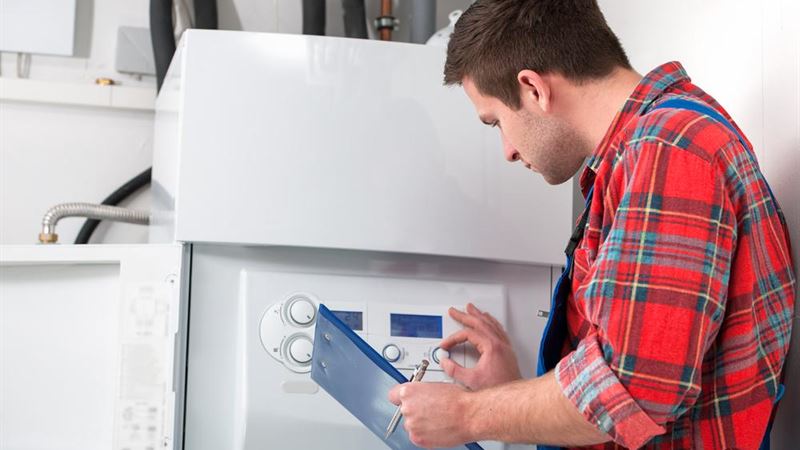
Achieving a reliable supply of hot water is essential for modern households, supporting daily activities such as bathing, laundry, and dishwashing. Selecting the right hot water heater involves understanding various factors including size, capacity, fuel type, energy efficiency, and cost implications. This detailed guide aims to assist homeowners in making informed decisions to choose a system that best fits their household needs and budget.
**Understanding Your Hot Water Needs**
To ensure optimal comfort and efficiency, evaluating your household’s hot water demands is the first crucial step. The number of residents, appliances, and typical usage patterns influence the size and capacity of the heater you should select. For example, a large family with multiple bathrooms will require a unit with higher capacity compared to a single person or a couple. Calculating peak hot water usage helps in choosing a system that can handle the load without running out of hot water during busy times.**Types of Hot Water Heaters: An Overview**
There are several types of hot water heaters available, each suitable for different needs and budgets. Understanding their features, advantages, and limitations can help you pick the best option.- Tank Water Heaters – Traditional storage tank systems that heat and store hot water for immediate use. They are available in various sizes, typically from 30 to 80 gallons, and are widely used due to their simplicity and affordability.
- Tankless (On-Demand) Water Heaters – These units heat water only when needed, providing a continuous supply without storing hot water. They are energy-efficient and save space but may have higher initial costs.
- Hybrid Water Heaters – Combining tank and tankless technologies, hybrid systems offer efficiency and ample hot water supply, making them suitable for larger households.
- Heat Pump Water Heaters – Utilizing renewable energy, these heaters extract heat from the environment to warm water. They are highly energy-efficient but may require specific installation conditions.
**Fuel Source Considerations**
Choosing the right fuel type is vital for operational efficiency and convenience. The most common fuel options include:- Electricity – Compatible with all modern hot water heater models, electricity-powered systems tend to have lower upfront costs. They are easy to install and maintain but may result in higher utility bills depending on local electricity rates.
- Fuel Oil – Used primarily in traditional storage water heaters and space heating systems, fuel oil systems generally involve higher operational costs and more maintenance.
- Natural Gas – Known for its cost-effectiveness and efficiency, natural gas-powered systems are popular in areas where natural gas supply is reliable. They include tankless, traditional storage, and indirect heater options.
- Geothermal and Solar Energy – These renewable options leverage natural heat sources, significantly reducing energy bills and environmental impact. Geothermal systems extract heat from beneath the Earth, while solar water heaters use solar panels to provide hot water, often supplemented with traditional energy sources.
**Budgeting and Cost Analysis**
Essential to any purchase decision, budget planning involves assessing both upfront costs and long-term operational expenses. Obtain detailed estimates for each system, including installation, equipment, and maintenance costs. Comparing these figures helps identify the most cost-effective and energy-efficient option tailored to your financial capacity.**Prioritizing Energy Efficiency**
Saving on energy costs is crucial, especially since hot water is used year-round. Investing in energy-efficient models—such as those with high Energy Star ratings—can significantly reduce monthly bills. Features like insulation, heat traps, and advanced controls enhance efficiency and prolong system lifespan.**Professional Installation and Maintenance**
To maximize safety and performance, always have your hot water heater installed by certified professionals. Proper installation ensures compliance with safety standards and optimal operation. Regular maintenance, including flushing tanks, inspecting connections, and servicing components, prolongs the lifespan of your system and prevents costly repairs.**Handling Technical Issues and Repairs**
In case of technical faults, avoid attempting DIY repairs. Faulty handling can lead to dangerous situations, including leaks, electrical hazards, or system failures. Contact trained technicians promptly for repairs to restore your hot water supply efficiently and safely.**Long-Term Care and Upkeep**
Regularly maintaining your hot water system guarantees consistent performance and reduces the risk of unexpected failures. Routine tasks include:- Cleaning tanks and removing sediment buildup
- Inspecting all piping and connections for leaks
- Ensuring nuts, bolts, and fittings are secure
- Checking electrical wiring and insulation for defects
- Scheduling periodic professional inspections
Adhering to these practices will extend the durability of your hot water heater, improve efficiency, and ensure safety over its lifespan.