
Comprehensive Insights into the Advantages and Disadvantages of Composite Decking
Explore the comprehensive advantages and potential drawbacks of composite decking. Learn how eco-friendly materials, low maintenance, and durability make it a popular choice, while understanding costs and limitations helps you make an informed decision for your outdoor space renovation.
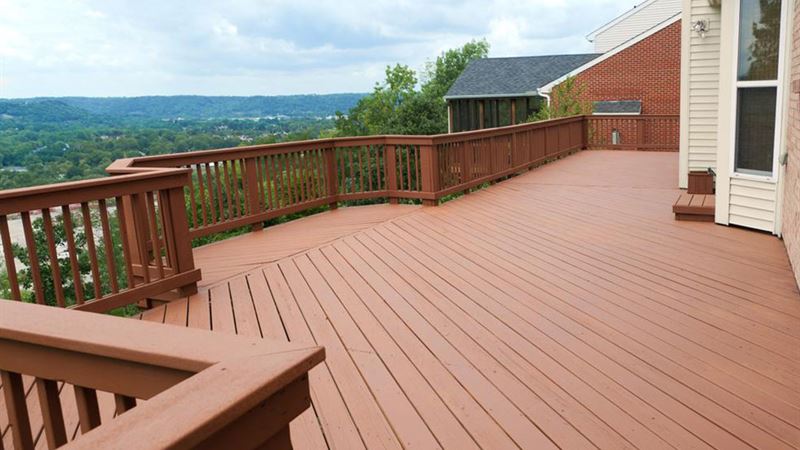
Leading providers of composite decking solutions, such as Trex, emphasize their commitment to sustainability by utilizing recycled plastics, primarily sourced from plastic shopping bags. These manufacturers avoid using virgin wood, making composite decking an eco-friendly alternative to traditional wood materials. The sustainability aspect is a major selling point for environmentally conscious homeowners seeking durable and stylish outdoor flooring options.
One of the most attractive features of composite decking is its minimal maintenance requirements. Unlike traditional wood, which demands regular sealing, staining, and sanding, composite decks can be easily cleaned with a simple brush and water. They are also highly resistant to mold, rot, and insect damage, which significantly prolongs their lifespan and reduces upkeep efforts. This makes composite decking particularly appealing for busy homeowners or those seeking hassle-free outdoor improvement solutions.
Advantages of Composite Decking
- Eco-Friendly Composition: Most composite decking products are manufactured using recycled plastics, such as plastic bags and other polyethylene materials. This not only reduces plastic waste in landfills but also conserves natural forests by eliminating the need for virgin wood.
- Low Maintenance: Unlike natural wood, composite decks do not require annual sealing, staining, or finishing. Routine cleaning with soap and water keeps the surface looking new and attractive, saving both time and money on maintenance.
- Durability and Longevity: Composite decking resists common issues like splintering, cracking, and warping. Its solid composition withstands harsh weather conditions, making it suitable for various climates without significant deterioration over time.
- Enhanced Aesthetic Appeal: Modern composite decking materials come in a variety of colors and textures, mimicking natural wood grains while maintaining a consistent appearance. This allows homeowners to achieve a high-end look with less effort.
- Resistance to Pests and Mold: Unlike wood, composite materials are impervious to termite attacks and mold growth, further extending their lifespan and preserving their appearance.
Challenges and Limitations of Composite Decking
- Cost Considerations: Although composite decking offers many benefits, its initial cost remains higher than traditional wood decking. Prices typically range from $2.50 to $3.50 per linear foot, which can be a significant investment for large projects.
- Potential for Damage from External Factors: Despite being resistant to rot and decay, composite decking is not entirely immune to damage. Storm debris, heavy impacts, or rough foot traffic can cause scratches or dents, which may be difficult to repair.
- Limited Refinishability: Unlike natural wood, which can be sanded and refinished to restore its appearance, composite decking cannot be fully recoated or refinished. When damaged or faded, individual planks need to be replaced, which can be inconvenient and costly.
- Fading and Color Change: Over time, exposure to sunlight and weather elements can cause composite decking colors to fade or change. Manufacturers like Trex have introduced UV-resistant coatings and color-stabilizing technologies to mitigate this issue, but some fading still occurs.
- Installation and Replacement Challenges: Installing composite decking requires specialized tools and skills. Repairing or replacing damaged planks entails disassembly of surrounding materials and precise matching of colors and textures.
In conclusion, composite decking offers a compelling combination of sustainability, aesthetic versatility, and low maintenance, making it an increasingly popular choice for modern outdoor spaces. However, its higher upfront cost and certain limitations should be carefully considered before making a purchase decision. For homeowners willing to invest in durable, attractive, and environmentally friendly decking with minimal upkeep, composite materials present an excellent option. Consulting with experienced professionals and selecting reputable brands such as Trex can help ensure a successful installation that maximizes benefits while minimizing potential drawbacks.