
Understanding Tick Bite Rashes: Symptoms, Risks, and Effective Treatments
This comprehensive article explores the health risks of tick bite rashes, including Rocky Mountain Spotted Fever, Lyme Disease, and Colorado Tick Fever. Learn about symptoms, disease progression, and the importance of early diagnosis and prompt treatment to prevent severe complications. Essential prevention tips and timely medical advice are emphasized to keep you safe during outdoor activities in tick-prone areas.
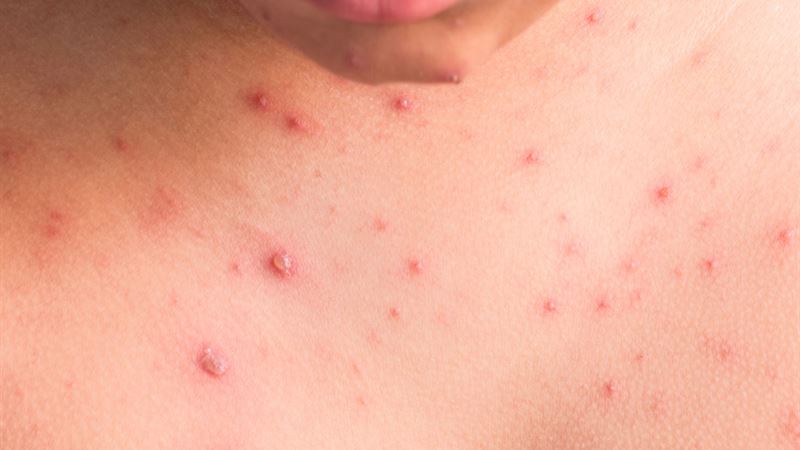
Encountering a rash after a tick bite can be alarming. While initial irritation, itching, and burning are common, such skin reactions can sometimes be indicative of more severe health issues. Recognizing the potential diseases linked to tick bites is crucial for timely treatment and preventing long-term complications. In this comprehensive guide, we explore the various illnesses transmitted through tick bites, their symptoms, progression, and the best practices for diagnosis and treatment. Being informed enables swift action that can save lives.
Rocky Mountain Spotted Fever (RMSF)
Among tick-borne diseases, Rocky Mountain Spotted Fever stands out as one of the most serious. Predominantly present in southeastern regions of the United States, RMSF is caused by bacteria transmitted through tick bites. Although it is not contagious between humans directly, the bacteria can pass from infected ticks to humans, pets, and back, posing significant health risks. Early recognition and intervention are key to effective recovery.
Symptoms typically develop within 2 to 14 days following a tick bite. These include high fever extending over two to three weeks, chills, profound fatigue, abdominal discomfort, nausea, muscle aches, and persistent headaches. Recognizing these signs early is vital, as they often indicate the onset of RMSF.
The hallmark symptom of RMSF is the appearance of a rash. This rash manifests as tiny red spots appearing initially on the palms, wrists, ankles, and soles, then gradually spreading across the torso. The rash usually emerges 2 to 5 days post-bite, often coupled with high fever. A secondary rash, which appears after a week, may present as a reddish-purple discoloration, signaling disease progression and worsening severity. Timely diagnosis and treatment are essential to prevent complications.
Administering doxycycline, an oral antibiotic, remains the primary treatment for RMSF. Medical practitioners emphasize prompt initiation of antibiotics upon initial suspicion of RMSF, even before lab results confirm the diagnosis. Early treatment markedly improves outcomes and reduces the risk of severe complications or death.
Delays in starting therapy can be dangerous. Waiting for laboratory confirmation might cost precious time. Initiating doxycycline within the first five days of infection significantly increases recovery chances. If treatment is delayed beyond this window, patients often require hospitalization and intravenous antibiotics. Severe cases risk prolonged hospital stays and increased health risks.
Lyme Disease
Lyme disease remains one of the most well-known illnesses associated with tick bites, especially prevalent in northeastern regions of the United States. It is caused by bacteria transmitted by infected ticks, often resulting in distinctive skin rashes and systemic illness if not treated early.
The earliest stage of Lyme disease often features a characteristic rash that alerts patients to seek medical attention promptly. The rash, known as erythema migrans, typically appears as a bullseye pattern—showcasing a circular red area with a clear center—around the site of the bite. This rash gradually expands in size over days and weeks, serving as a key symptom to detect early stages of infection.
If you observe a bullseye-shaped rash following a tick bite, seek urgent medical advice. Early diagnosis and treatment with antibiotics such as amoxicillin, cefuroxime axetil, or doxycycline can effectively cure Lyme disease at this stage and prevent progression to more serious phases.
When Lyme disease advances, it moves through three stages. The second stage, known as early disseminated disease, involves complications affecting vital organs such as the heart and nervous system. Symptoms may include irregular heartbeat, paralysis, tremors, and meningitis. If left untreated, the disease can produce late-stage effects.
In the late stage, patients experience neurological damage, chronic joint inflammation, and arthritis. Persistent pain, numbness, or loss of sensation are common. Treatment at this stage is more challenging and may require prolonged antibiotic therapy, along with anti-inflammatory medications, to manage symptoms and prevent further damage.
Preventive measures are crucial. Use protective clothing when venturing into tick-infested areas, apply effective bug repellents, and conduct thorough tick checks after outdoor activities. Early intervention remains the best strategy to combat Lyme disease successfully.
Colorado Tick Fever
Compared to other tick-borne diseases, Colorado Tick Fever (CTF) is considered less severe, but it can cause discomfort and requires attention. Predominantly seen in western parts of the United States, CTF is caused by a virus transmitted through tick bites.
Symptoms typically develop within 3 to 5 days post-infection and include fever, headache, chills, and occasionally mild skin rashes. The illness usually resolves spontaneously within 7 to 10 days. Supportive care, such as pain relief medications and proper hydration, are effective in managing symptoms.
While CTF rarely leads to complications, awareness and prevention are essential—especially during outdoor activities. Wearing appropriate clothing, using insect repellent, and careful tick removal help minimize the risk of infection. In case symptoms persist or worsen, seeking medical advice is recommended.
Overall, understanding the risks associated with tick bites and recognizing early signs is vital for prompt treatment and prevention of severe health outcomes. Always take precautions in outdoor environments, especially in endemic areas, to protect yourself and your loved ones from these potentially dangerous illnesses.