
Essential Signs and Symptoms of Insect Bites and Their Health Implications
Learn how to recognize common insect bite signs and symptoms to ensure timely treatment and prevent serious health complications. This comprehensive guide covers tick bites, venomous insect reactions, and emergency response tips for better health safety.
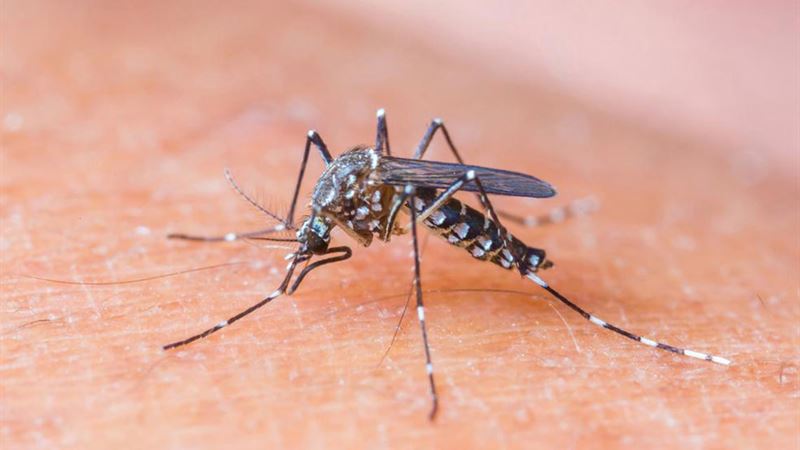
Insect bites can cause a wide range of reactions, from minor skin irritation to severe systemic health issues. Recognizing the key signs and symptoms is vital for timely treatment and avoiding serious complications. These bites can sometimes result in noticeable skin changes such as blisters or skin discoloration, including purple-blue hues. In addition, additional symptoms like excessive sweating, intense itching, seizures, nausea, and fever may occur. In severe cases, insect bites can lead to life-threatening conditions such as kidney failure or coma if left untreated.
Identifying Tick Bites and Their Risks
Tick bites are among the most concerning insect bites because they can transmit dangerous illnesses such as Lyme disease and Rocky Mountain spotted fever. Early signs of a tick bite include a distinctive ring-shaped rash, often called erythema migrans, which can persist for weeks. If not promptly recognized and treated, these infections may develop into more severe symptoms like persistent headaches, muscular aches, joint discomfort, irregular heart rhythms, and cognitive issues such as memory loss. Some ticks also carry Rocky Mountain spotted fever, which can cause widespread rashes and systemic symptoms over time.Other Common Insect Bite Symptoms
Understanding and identifying common symptoms associated with various insect bites are crucial for effective treatment. For bites from venomous insects such as bees, wasps, or hornets, the initial sign is often intense pain directly at the bite site. As the body's response progresses, additional symptoms may include muscle cramps or spasms, stomach pain, high fever, chills, and shortness of breath. In some cases, the reaction can impact breathing and cause difficulty swallowing. Symptoms like dizziness, headaches, seizures, abdominal cramps, sudden blackouts, or even coma are possible in extreme cases. Rapid inflammation at the bite site and widespread swelling are also indicators of severe reactions.When to Seek Immediate Medical Attention
If you experience severe symptoms such as difficulty breathing, significant swelling, sudden weakness, or signs of systemic illness after an insect bite, seek emergency medical care immediately. Use appropriate medications like antihistamines, corticosteroids, or auto-injector pens (such as epinephrine) as advised by your healthcare provider. Early intervention can prevent complications and improve recovery outcomes. It is essential to monitor symptoms closely and consult healthcare professionals if symptoms worsen or do not improve within a few hours.Overall, awareness of insect bite signs and symptoms helps in prompt diagnosis and effective management, reducing the risk of developing severe health issues. Always be cautious around insects, especially in areas prone to tick and other venomous insect activity, and seek professional medical advice when unsure about symptoms or treatment options.