
Comprehensive Guide to Preventing and Treating Tick-borne Diseases
This extensive guide offers detailed strategies for recognizing, removing, and preventing tick-borne diseases. It emphasizes quick tick removal, symptoms to watch for, and effective prevention tips for outdoor enthusiasts. Early detection and proper care are crucial in avoiding serious health complications from tick bites, making this a vital resource for anyone spending time in tick-prone environments. The article aims to educate on safe practices and timely interventions to maintain health and safety outdoors.
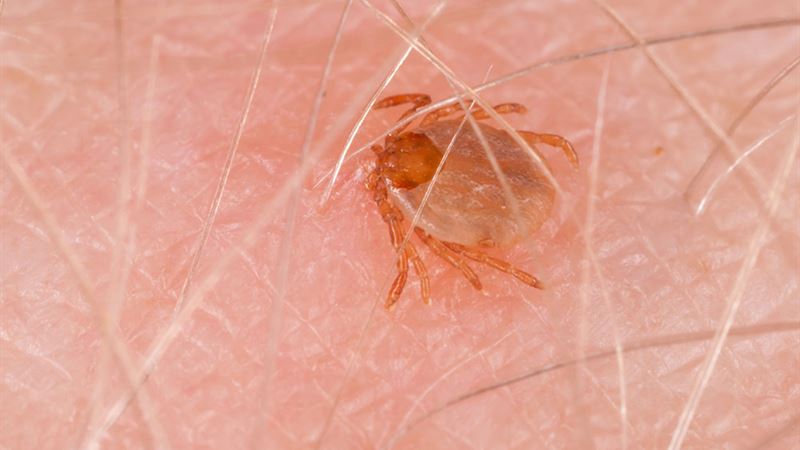
Ticks are incredibly small parasites that often go unnoticed on the skin, making it challenging to detect their bites immediately. Many individuals are unaware they've been bitten until they see a distinctive rash or begin to experience flu-like symptoms. These early signs are typical of various tick-borne illnesses, which can lead to severe health complications if not promptly identified and treated. Recognizing the symptoms and understanding prevention methods are crucial in managing and avoiding these potentially dangerous diseases.
Recognizing the Signs and Symptoms of Tick-borne Diseases
- Flu-like symptoms including chills, headaches, muscle aches, and fatigue.
- Loss of sensation or numbness in extremities.
- Elevated body temperature or fever.
- Irregular heartbeat or palpitations.
- Persistent weakness and exhaustion.
- Neurological symptoms such as paralysis or difficulty speaking.
- Stiff neck and sensitivity to light.
- Joint pain, swelling, or inflammation in various joints.
- Distinctive rashes, which can vary depending on the pathogen transmitted.
- Gastrointestinal issues like nausea, vomiting, and abdominal discomfort.
- Lymph node swelling or lymphadenopathy.
- Breathlessness or shortness of breath.
If you experience any of these symptoms following a tick bite, immediate medical consultation is essential. Prompt diagnosis and treatment can prevent severe health complications.
- Inability to fully remove ticks; remaining mouthparts embedded in the skin after removal.
- Development of fever, paralysis, severe headache, or rash following a tick bite.
- Individuals with suppressed immune systems should seek medical advice promptly after any tick exposure.
- Pregnant women should consult healthcare professionals before initiating any medication if bitten by a tick.
Effective Approaches for Managing Tick-borne Illnesses
It's essential to understand that not all ticks carry the same pathogens, and treatments differ based on the specific infection transmitted. Immediate and proper removal of ticks is critical in reducing infection risk.
Follow these meticulous steps for safe and efficient tick removal:
- At first sight of a tick on the skin, remove it as quickly as possible using fine-tipped tweezers or specialized tick removal devices.
- Carefully grasp the tick by the head or mouthparts, avoiding squeezing or crushing it, and pull it straight upward with steady, even pressure.
- Inspect the bite site thoroughly to ensure all mouthparts are removed; if remnants remain, remove them meticulously to prevent infection or continued disease transmission.
- Avoid twisting, crushing, or puncturing the tick during removal, as this may cause regurgitation of pathogens.
- Never handle ticks with bare hands to minimize the risk of infection; use gloves or tools for removal.
- Refrain from applying substances like fingernail polish, matches, or petroleum jelly, as these can cause the tick to vomit infected fluids.
- Place the extracted tick into a small container or sealed plastic bag, ideally with a damp cloth or some alcohol, to show to your healthcare provider.
- After removal, disinfect the bite area with alcohol or antiseptic wipes, and wash your hands thoroughly with soap and warm water.
- Applying an antiseptic ointment or disinfectant on the bite site can decrease the risk of secondary infections.
Even if the rash or symptoms diminish, consulting with a healthcare professional remains vital. In some cases, antibiotics may be prescribed to prevent or treat tick-borne infections.
Additionally, retaining the tick for identification can provide valuable information for diagnosis. Your doctor might recommend antibiotics, topical creams, or other treatments based on the specific pathogen or symptoms presented.
Preventative Strategies to Reduce Tick-borne Disease Risks
The most effective way to avoid tick-borne illnesses is through proactive prevention. Implementing strategies during outdoor activities, especially in tick-endemic regions, can significantly reduce your chances of bites and subsequent infections.
- When venturing into grassy, wooded, or bushy areas, wear long-sleeved shirts and full-length pants tucked into socks to minimize skin exposure.
- Utilize reliable insect repellents containing at least 20% DEET, especially on exposed skin and clothing.
- Avoid walking through dense vegetation; stick to well-maintained trails whenever possible.
- After outdoor activities, shower promptly and perform a thorough full-body check, paying close attention to hidden areas such as behind ears, underarms, groin, scalp, and between toes.
- Regularly inspect clothing and gear for ticks before leaving outdoor areas.
- Keep your lawn and wooded areas around your home well-maintained by trimming grass and removing leaf litter to discourage tick habitats.
- Consider treating your clothing and gear with permethrin, an effective tick repellent.
- Wear light-colored clothing to make ticks easier to spot and remove promptly.
Research indicates that ticks require at least 24 hours of feeding before transmitting significant pathogens to humans. Therefore, early detection and removal are key in preventing the onset of disease and reducing the risk of infection.
Summary
Understanding the signs, symptoms, and prevention methods for tick-borne illnesses is vital for safeguarding your health. Prompt removal of attached ticks, combined with vigilant outdoor practices, can drastically cut down the risk of infection. Remember, swift action and consistent preventative measures are your best defenses against these insidious parasites and their associated illnesses.