
Understanding the Growing Challenge of Sleep Disorders in the United States
This comprehensive article explores the rising prevalence of sleep disorders in the United States, emphasizing the importance of awareness, early diagnosis, and effective treatment. It highlights the impact of sleep issues on health, especially among veterans and older adults, and suggests strategies to improve sleep health through education and healthcare initiatives.
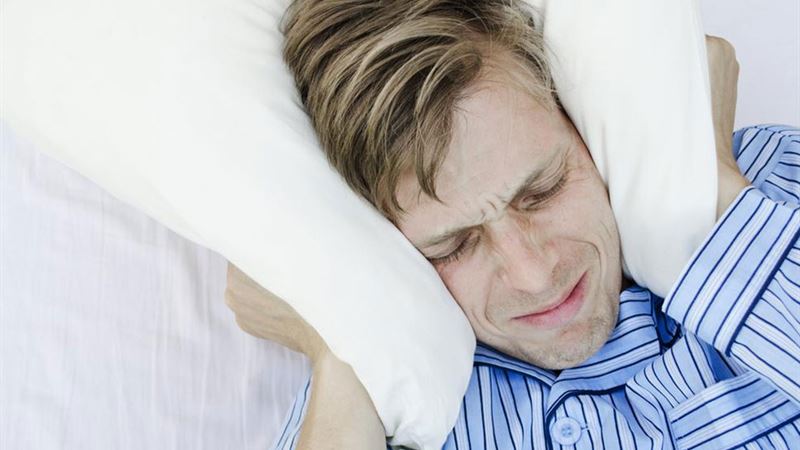
The prevalence of sleep-related issues has seen a significant rise across the United States, posing a major health concern for millions. Despite advances in medical science and various treatment options, many Americans remain unaware of the scope and severity of sleep disorders. The need for widespread education and improved healthcare initiatives is more critical than ever to address this silent epidemic effectively. This detailed exploration delves into the current trends, underlying causes, and potential solutions for sleep disorders in the U.S.
Sleep disorders are a broad category that includes conditions such as insomnia, sleep apnea, restless leg syndrome, narcolepsy, and shift work disorder. These conditions not only impair quality of life but are also linked to serious health complications, including cardiovascular disease, diabetes, depression, and diminished cognitive function. Current data indicates that nearly 70 million Americans experience some form of sleep disturbance, yet many remain undiagnosed or untreated due to lack of awareness and limited access to specialized healthcare.
Research indicates a drastic increase in sleep-related problems, especially among military veterans. Studies show that the incidence of sleep disorders among veterans has increased six-fold over recent years. Many of these individuals also struggle with post-traumatic stress disorder (PTSD), which significantly exacerbates sleep disturbances. According to data collected up to 2016, the prevalence of sleep issues among veterans suffering from PTSD doubled, highlighting a critical intersection between mental health and sleep health.
Public understanding of sleep disorders remains inadequate. Many are unaware that poor sleep quality can have profound impacts both physically and mentally. Sleep deprivation and disorders contribute to decreased immune function, impaired memory, and increased risk for chronic conditions such as obesity, hypertension, and stroke. Alarmingly, around nine million Americans are prescribed sleep aids annually, with a disproportionate number being white women aged 50 and above. This demographic is particularly susceptible to sleep disturbances, often linked to hormonal changes, menopause, and other age-related factors.
Furthermore, the relationship between PTSD and sleep disorders is well-documented. Individuals with prior diagnoses of PTSD are at heightened risk for developing sleep disturbances, including nightmares, hyperarousal, and insomnia. A study conducted at the Veterans Affairs Medical Center in Columbia revealed that those with pre-existing PTSD were more likely to develop chronic sleep issues, underscoring the need for targeted intervention strategies. Sleep hygiene practices, cognitive behavioral therapy, and medical treatments are vital components of a comprehensive approach to managing these disorders.
It is crucial to promote education about the importance of adequate sleep, emphasizing a recommended duration of 7 to 9 hours per night for optimal health. Healthcare providers must prioritize screening for sleep disorders and provide personalized treatment plans. Additionally, policymakers and healthcare organizations should invest in research and community programs aimed at raising awareness, improving diagnostic techniques, and expanding access to sleep medicine services. Addressing sleep disorders not only improves individual well-being but also reduces the long-term healthcare burden associated with untreated sleep-related conditions.
In conclusion, the rising prevalence of sleep disorders in the US underscores an urgent need for concerted action. Through education, improved clinical practices, and policy support, it is possible to combat this growing public health challenge. Recognizing the critical role of sleep in overall health can lead to better prevention, early diagnosis, and effective management, ultimately enhancing the quality of life for millions across the nation.