
Understanding Premature Ejaculation: Causes, Symptoms, and Effective Treatments
This comprehensive guide explores the causes, symptoms, and various treatment options for premature ejaculation. Understanding the condition and suitable medications such as topical anesthetics, SSRIs, PDE-5 inhibitors, and analgesics can help men manage PE effectively. Consulting healthcare providers ensures personalized and safe treatment strategies, improving sexual satisfaction and overall well-being.
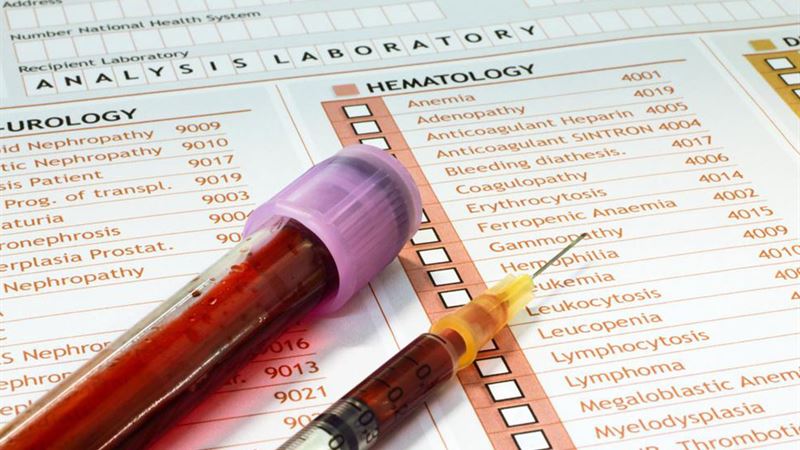
Premature ejaculation (PE) is a common sexual dysfunction affecting men worldwide. It is characterized by the inability to control ejaculation, resulting in ejaculation occurring sooner than desired during sexual activity. This condition can lead to frustration, reduced self-esteem, and relationship issues if left untreated. Understanding the underlying causes, recognizing the symptoms, and exploring available treatment options are essential steps toward overcoming PE and enjoying a more satisfying sex life.
In this comprehensive guide, we delve into the various aspects of premature ejaculation, including its types, causes, symptoms, and the latest effective medications used for treatment. Whether you're seeking information for yourself or a partner, this article provides valuable insights to help you make informed decisions about managing PE.
- Causes of Premature Ejaculation
- Recognizing the Symptoms of Premature Ejaculation
Premature ejaculation can be classified into two main types based on onset:
- Lifelong Premature Ejaculation: This form occurs from the very first sexual experiences and tends to persist throughout life. It is usually rooted in physiological or genetic factors.
- Acquired Premature Ejaculation: Developing later in life, often after a period of normal sexual control. Causes can include psychological issues or underlying health conditions such as stress or medical illnesses.
Understanding which type you are experiencing can help determine the most appropriate treatment approach.
- Exploring Treatment Options for PE
Many men find that premature ejaculation improves with time, especially if behavioral strategies or lifestyle changes are adopted. However, for persistent or severe cases, various medications and therapies have proven effective in delaying ejaculation and enhancing sexual satisfaction.
Here, we explore the most commonly prescribed treatment options:
Topical AnestheticsThese are creams or sprays applied directly to the penis surface to reduce sensation and delay ejaculation. They are easy to use and generally well-tolerated, with minimal side effects. Popular agents include benzocaine, lidocaine, and prilocaine. It is recommended to apply the product 15-30 minutes before intimacy and wash thoroughly before penetration.
- Possible side effects:
- Skin irritation or inflammation
- Reduced sensation leading to decreased sexual pleasure
- Swelling or allergic reactions in some cases
Lidocaine sprays are widely available over the counter, while prescription-strength creams like EMLA require medical consultation.
Oral MedicationsVarious oral drugs are used to manage PE effectively, most notably antidepressants and certain other agents that influence neurotransmitter activity in the brain.
- Selective Serotonin Reuptake Inhibitors (SSRIs): Drugs like paroxetine, sertraline, fluoxetine, and citalopram are prescribed because they can significantly delay ejaculation when taken regularly. Always consult your healthcare provider before initiating these medications. Effectiveness typically starts within a week of consistent use.
- Dapoxetine: A short-acting SSRI specifically approved for PE, it offers rapid onset of action and minimal side effects when used as recommended.
- **Side effects of SSRIs can include:
- Nausea, headache, dizziness
- Reduced libido or sexual desire
- Gastrointestinal disturbances
Pursuing medical guidance ensures proper dosage and monitoring during treatment.
PDE-5 InhibitorsPrimarily known for treating erectile dysfunction, PDE-5 inhibitors such as sildenafil, tadalafil, and vardenafil can also be beneficial for men who experience both PE and ED. They improve blood flow and enhance the body's response to sexual stimulation, potentially delaying ejaculation.
- Note: Use these medications only under supervision if you have heart conditions or are taking nitrates, as adverse interactions may occur.
- **Side effects:** Headaches, flushing, nasal congestion, upset stomach, and visual disturbances.
Medications like tramadol, an opioid analgesic, have shown promise in increasing the time to ejaculate. Usually prescribed for pain relief, tramadol can help men prolong intercourse by affecting serotonin pathways involved in ejaculatory control.
- Timing: Typically taken 2 hours prior to sexual activity for best results.
- **Possible side effects:** Drowsiness, dizziness, nausea, erectile dysfunction, and mood disturbances.
It's crucial to consult a healthcare professional before considering these medications, as misuse can lead to serious side effects or dependency.
In addition to medication, behavioral therapies, pelvic floor exercises, and psychological counseling can complement medical treatments to address underlying causes and improve control over ejaculation.
Remember, every individual is different. What works for one person might not work for another, so personalized treatment plans are essential. Seek professional advice for a safe and effective approach to managing premature ejaculation.