
Comprehensive Guide to Recovery After Pulmonary Embolism Treatment
This comprehensive guide details the post-treatment recovery process for pulmonary embolism patients. It emphasizes the importance of individualized activity plans, gradual reintroduction of exercise, and consulting healthcare professionals. The article highlights safe timelines for resuming physical activities like walking, strength training, sports, and yoga, emphasizing caution during the early recovery phase to prevent setbacks. Proper management and adherence to medical advice can significantly aid in recovery, reduce complications, and improve overall health outcomes after a pulmonary embolism.
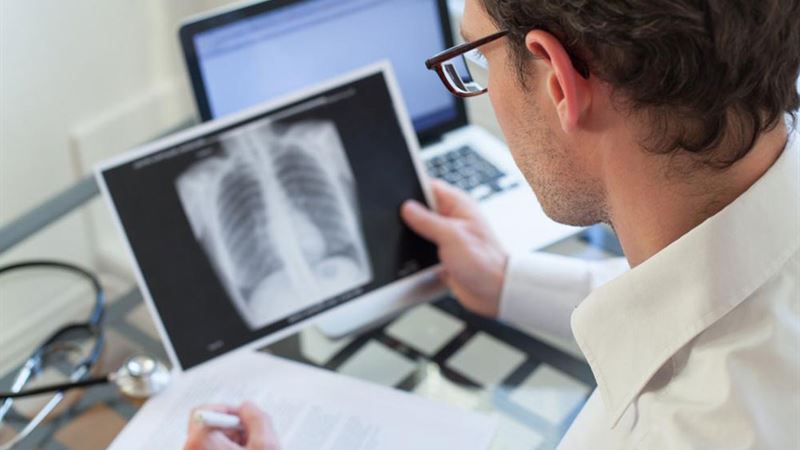
It is important to understand that the body needs adequate time to mend after blood clot treatment. Engaging in physical activity too early might worsen symptoms like swelling, pain, or fatigue. Your doctor can help determine when it’s appropriate to increase activity levels, gradually restoring your strength and endurance. Always listen to your body and avoid pushing through discomfort, as this can undermine your recovery process.
Exercise, Sports, and Yoga Post-PE
There are no universally defined timelines for when athletes can resume training after a PE. Each individual’s recovery journey is unique, necessitating a tailored approach supervised by healthcare professionals. Typically, it is advisable to avoid strenuous athletic activities for the first 10 to 14 days after an acute PE episode. During this initial phase, the blood clot is still stabilizing within the vessel wall, and the risk of clot dislodgement remains elevated. Light activities, such as gentle strength training—focused on arms, core, and trunk—may be performed to prevent deconditioning without risking complication.
From week 2 to 4, patients may progressively increase their activity levels if they tolerate the earlier exercises well. The goal is to gradually reach pre-PE activity thresholds by approximately week 4, assuming no adverse symptoms arise. For athletes and yoga enthusiasts, this period should be approached cautiously. Activities involving extreme body positions or intense physical exertion should be avoided during the first month, as these can put undue stress on healing blood vessels. Gentle yoga poses and stretching can be resumed gradually, with focus on breathing exercises and gentle movements, once initial healing has occurred. Always consult your healthcare provider to develop a safe return-to-activity plan tailored to your condition and recovery progress.