
Understanding Osteoporosis: Causes, Symptoms, and Effective Management Strategies
This comprehensive guide explores osteoporosis, detailing its risk factors, silent symptoms, and effective management options. Learn how early detection, lifestyle changes, and medical treatments can prevent fractures and improve bone health. The article emphasizes personalized strategies and preventive measures to maintain mobility and quality of life for at-risk populations, offering in-depth insights into combating this silent but serious disease.
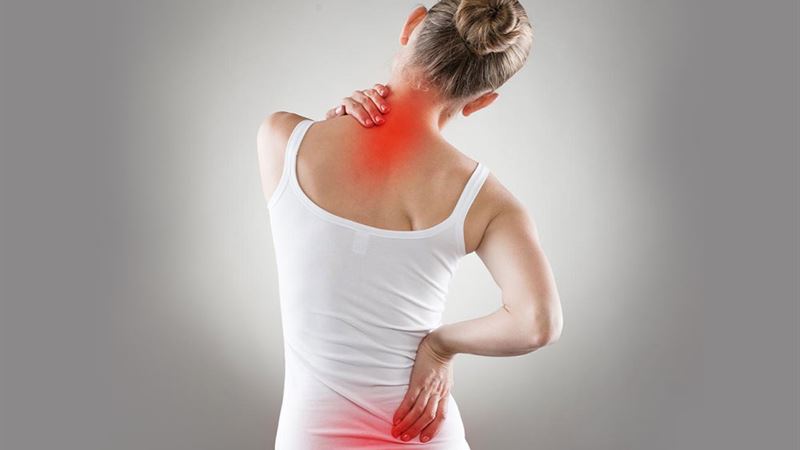
Osteoporosis is a progressive bone disease characterized by a decrease in bone mass and deterioration of bone tissue, leading to increased fragility and higher fracture risk. If left undiagnosed or untreated, osteoporosis can significantly impair mobility and quality of life, possibly resulting in permanent disability. It's often called a silent disease because its symptoms are not immediately obvious, which emphasizes the importance of early detection and proactive management.
What Are the Major Risk Factors for Osteoporosis?
Numerous factors can predispose individuals to osteoporosis, with some of the most prominent being genetic, lifestyle, and hormonal influences. Understanding these risk factors helps in early identification and prevention.
- **Genetics**: Family history plays a vital role. Having relatives with osteoporosis or early fractures increases personal risk.
- **Age**: The risk climbs with advancing age, especially postmenopause in women due to declining estrogen levels.
- **Hormonal Factors**: Reduced estrogen in women and lower testosterone in men can accelerate bone loss.
- **Nutritional Deficiencies**: Inadequate intake of calcium and vitamin D weakens bones over time.
- **Lifestyle Choices**: Sedentary lifestyle, smoking, excessive alcohol consumption, and poor nutrition contribute significantly.
- **Medical Conditions and Medications**: Chronic illnesses like rheumatoid arthritis, hyperthyroidism, and medication usage such as corticosteroids (glucocorticoids) can impair bone density.
Recognizing these risk factors is crucial for early intervention and prevention strategies. Regular health check-ups, especially as age advances, can help monitor bone health effectively.
Signs and Symptoms of Osteoporosis
Osteoporosis is often asymptomatic in its early stages, earning its moniker as a silent disease. However, as the disease progresses, certain warning signs may become evident.
- **Bone Fractures**: Fragile bones are prone to fractures, especially in the hip, spine, and wrist, often occurring from minor falls or injuries.
- **Back Pain**: Compression fractures in the vertebrae may cause persistent back pain and height loss.
- **Postural Changes**: Developments such as stooped posture or kyphosis (hunchback) can be indicators of underlying spinal fractures.
- **Reduced Mobility**: Joint stiffness and decreased range of motion may develop as bones weaken.
- **Muscle Weakness**: Loss of muscle strength can further exacerbate fall risk and fragility.
It's essential to seek medical attention if these symptoms are observed, especially in at-risk populations. Bone mineral density tests can confirm diagnoses and evaluate severity.
Comprehensive Treatment Approaches for Osteoporosis
While there is currently no cure for osteoporosis, various treatment modalities focus on reducing symptoms, strengthening bones, and preventing fractures.
- **Medical Treatments**
Medications such as bisphosphonates, hormone replacement therapy, selective estrogen receptor modulators (SERMs), and parathyroid hormone analogs can slow bone loss and stimulate bone formation. In cases of severe osteoporosis, your doctor might recommend injections or intravenous therapies.
- **Lifestyle Modifications**
Adopting healthy lifestyle habits plays a pivotal role in managing osteoporosis.
- **Dietary Changes**: Incorporate calcium-rich foods like dairy products, leafy greens, and fortified foods. Ensure adequate vitamin D intake to facilitate calcium absorption; sunlight exposure and supplements can assist here.
- **Exercise**: Weight-bearing and resistance exercises strengthen bones and improve balance, reducing fall risk.
- **Quit Smoking and Limit Alcohol**: Both habits accelerate bone loss, so cessation and moderation are recommended.
- **Physical Therapy and Rehabilitation**
Targeted physical therapy can improve strength and stability. Balance training exercises help prevent falls.
- **Assistive Devices**
Use of walkers or canes can prevent falls, particularly in those with impaired mobility.
- **Surgical Interventions**
In cases of significant fractures or spinal deformities, surgical options such as vertebroplasty or joint replacement may be necessary.
- **Ongoing Monitoring**
Regular bone density scans and follow-ups are essential to assess treatment efficacy and adjust strategies accordingly.
It is vital for individuals, especially those at higher risk, to consult healthcare professionals for personalized treatment plans. Preventive measures like maintaining proper nutrition, engaging in suitable physical activity, and avoiding harmful habits can greatly reduce the progression of osteoporosis.
To promote optimal bone health, a balanced diet rich in calcium and vitamin D, regular weight-bearing exercise, and lifestyle changes are foundational. Early detection and proactive management can substantially improve quality of life and reduce fracture risks. Remember, managing osteoporosis is a lifelong commitment that involves medical intervention, healthy habits, and continual monitoring for best results.
What Are the Major Risk Factors for Osteoporosis?
Numerous factors can predispose individuals to osteoporosis, with some of the most prominent being genetic, lifestyle, and hormonal influences. Understanding these risk factors helps in early identification and prevention.
- **Genetics**: Family history plays a vital role. Having relatives with osteoporosis or early fractures increases personal risk.
- **Age**: The risk climbs with advancing age, especially postmenopause in women due to declining estrogen levels.
- **Hormonal Factors**: Reduced estrogen in women and lower testosterone in men can accelerate bone loss.
- **Nutritional Deficiencies**: Inadequate intake of calcium and vitamin D weakens bones over time.
- **Lifestyle Choices**: Sedentary lifestyle, smoking, excessive alcohol consumption, and poor nutrition contribute significantly.
- **Medical Conditions and Medications**: Chronic illnesses like rheumatoid arthritis, hyperthyroidism, and medication usage such as corticosteroids (glucocorticoids) can impair bone density.
Recognizing these risk factors is crucial for early intervention and prevention strategies. Regular health check-ups, especially as age advances, can help monitor bone health effectively.
Signs and Symptoms of Osteoporosis
Osteoporosis is often asymptomatic in its early stages, earning its moniker as a silent disease. However, as the disease progresses, certain warning signs may become evident.
- **Bone Fractures**: Fragile bones are prone to fractures, especially in the hip, spine, and wrist, often occurring from minor falls or injuries.
- **Back Pain**: Compression fractures in the vertebrae may cause persistent back pain and height loss.
- **Postural Changes**: Developments such as stooped posture or kyphosis (hunchback) can be indicators of underlying spinal fractures.
- **Reduced Mobility**: Joint stiffness and decreased range of motion may develop as bones weaken.
- **Muscle Weakness**: Loss of muscle strength can further exacerbate fall risk and fragility.
It's essential to seek medical attention if these symptoms are observed, especially in at-risk populations. Bone mineral density tests can confirm diagnoses and evaluate severity.
Comprehensive Treatment Approaches for Osteoporosis
While there is currently no cure for osteoporosis, various treatment modalities focus on reducing symptoms, strengthening bones, and preventing fractures.
- **Medical Treatments**
Medications such as bisphosphonates, hormone replacement therapy, selective estrogen receptor modulators (SERMs), and parathyroid hormone analogs can slow bone loss and stimulate bone formation. In cases of severe osteoporosis, your doctor might recommend injections or intravenous therapies.
- **Lifestyle Modifications**
Adopting healthy lifestyle habits plays a pivotal role in managing osteoporosis.
- **Dietary Changes**: Incorporate calcium-rich foods like dairy products, leafy greens, and fortified foods. Ensure adequate vitamin D intake to facilitate calcium absorption; sunlight exposure and supplements can assist here.
- **Exercise**: Weight-bearing and resistance exercises strengthen bones and improve balance, reducing fall risk.
- **Quit Smoking and Limit Alcohol**: Both habits accelerate bone loss, so cessation and moderation are recommended.
- **Physical Therapy and Rehabilitation**
Targeted physical therapy can improve strength and stability. Balance training exercises help prevent falls.
- **Assistive Devices**
Use of walkers or canes can prevent falls, particularly in those with impaired mobility.
- **Surgical Interventions**
In cases of significant fractures or spinal deformities, surgical options such as vertebroplasty or joint replacement may be necessary.
- **Ongoing Monitoring**
Regular bone density scans and follow-ups are essential to assess treatment efficacy and adjust strategies accordingly.
It is vital for individuals, especially those at higher risk, to consult healthcare professionals for personalized treatment plans. Preventive measures like maintaining proper nutrition, engaging in suitable physical activity, and avoiding harmful habits can greatly reduce the progression of osteoporosis.
To promote optimal bone health, a balanced diet rich in calcium and vitamin D, regular weight-bearing exercise, and lifestyle changes are foundational. Early detection and proactive management can substantially improve quality of life and reduce fracture risks. Remember, managing osteoporosis is a lifelong commitment that involves medical intervention, healthy habits, and continual monitoring for best results.