
Comprehensive Guide to Osteomyelitis: Symptoms, Diagnosis, and Treatment Strategies
This detailed guide explores osteomyelitis, highlighting its symptoms like swelling, fever, and pain, and discusses effective diagnostic methods including blood tests, imaging, and biopsies. It provides comprehensive treatment options, emphasizing surgery, antibiotic therapy, and the importance of early detection to prevent severe complications. Learn how proper management can restore health and prevent the spread of infection, ensuring optimal recovery. Whether for patients or healthcare providers, understanding osteomyelitis is essential for timely intervention and successful outcomes.
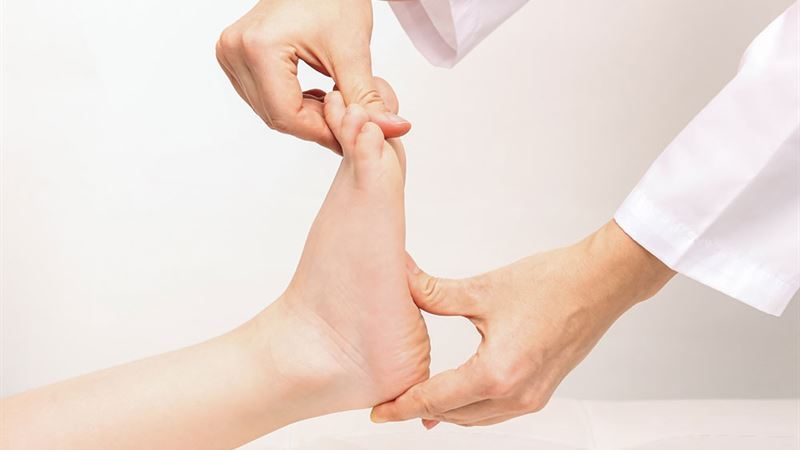
Recognizing Swelling and Inflammation
One of the earliest indicators of osteomyelitis is noticeable swelling in the affected area. Accompanying redness and warmth often develop due to inflammation triggered by bacterial or fungal infection within the bone tissue. This localized swelling may be tender to touch, signaling that the immune system is actively responding to the infection. Persistent swelling warrants medical attention, especially when it persists or worsens over time, as untreated bone infections can lead to serious complications.
Fever as a Systemic Response
A common sign of osteomyelitis is an elevated body temperature, or fever. This reaction is part of the body’s natural defense mechanism, attempting to eradicate the infectious agents. Fever often presents alongside chills, sweating, and general discomfort. Importantly, a prolonged or high-grade fever should prompt immediate consultation with a healthcare provider, as it indicates a significant systemic infection that may require urgent intervention.
Fatigue and Body Weakness
As the body mobilizes its immune defenses against infection, patients often experience feelings of exhaustion and weakness. Fatigue can be persistent and may interfere with daily activities, highlighting the body's ongoing fight against osteomyelitis. Recognizing this symptom early can lead to timely diagnosis and management, preventing the escalation of the disease.
Pus Drainage and Abscess Formation
In severe or neglected cases of osteomyelitis, abscess formation within the affected bone can occur. This results in pus accumulation, which may eventually drain spontaneously or require surgical drainage. The presence of pus is indicative of a robust immune response, but it also underscores the importance of prompt medical treatment to prevent further tissue destruction and systemic spread of infection.
Impaired Mobility and Joint Dysfunction
When osteomyelitis involves bones near joints, it can impair limb movement significantly. Inflammation and pain restrict mobility, making simple motions difficult. Damage to surrounding tissues and bone destruction further exacerbate these problems, potentially leading to long-term disability if not treated promptly. Such symptoms should never be ignored, especially if accompanied by swelling and fever.
Standard Approaches in Osteomyelitis Therapy
Effective treatment of osteomyelitis primarily revolves around surgical intervention combined with antibiotic therapy. The goals are to eradicate infection, remove necrotic tissue, restore blood flow, and promote bone regeneration. The typical procedure involves several critical steps, which are outlined below.
- Drainage of Pus and Debridement: To eliminate infectious material, surgeons perform incision and drainage procedures, carefully opening the affected area to remove pus and dead tissue. This step reduces bacterial load and creates a cleaner environment conducive to healing.
- Removal of Damaged Bone and Tissue: Known as debridement, this process involves excising all infected or necrotic bone and surrounding tissues. Surgeons aim to preserve as much healthy tissue as possible while eliminating the diseased areas, which minimizes the risk of recurrent infection.
- Restoration of Blood Supply: After debridement, the void created is filled with healthy tissue or bone grafts, such as transplanted bone segments or muscle flaps, which promote vascularization. Enhanced blood flow is critical for delivering immune cells and antibiotics to the site, thereby supporting tissue repair and regeneration.
- Removal of Foreign Devices: In cases where surgical hardware like screws, plates, or wires has been previously implanted, their removal may be necessary once the infection subsides, reducing the risk of persistent infection or biofilm formation.
- Amputation in Severe Cases: When the infection becomes systemic or uncontrollable, or threatens the patient’s life, limb amputation might be a last resort. This drastic measure aims to stop the spread of infection and protect vital organs.
While natural remedies have limited efficacy, certain foods such as garlic with antimicrobial properties can support the immune system. Nevertheless, professional medical diagnosis is vital for effective treatment planning and recovery. Early detection improves prognosis and reduces complications, emphasizing the importance of regular check-ups and prompt attention to symptoms.
Diagnostic Procedures for Osteomyelitis
Accurate diagnosis involves a combination of clinical assessment, laboratory tests, and imaging studies. Each diagnostic tool provides essential information to guide treatment decisions.
- Blood Tests: Blood analysis reveals elevated white blood cell counts, indicating an ongoing infection. Blood cultures can identify specific infectious agents, which is crucial for targeted antibiotic therapy.
- Imaging Techniques: Initial assessment may use X-rays to detect bone destruction or changes. However, early in the infection, X-rays might not display significant findings. Magnetic Resonance Imaging (MRI) offers high-resolution images of bone and surrounding soft tissues, detecting early inflammatory changes. A Computed Tomography (CT) scan is also valuable, particularly for detailed bone assessment or when MRI is contraindicated.
- Bone Biopsy: The definitive diagnosis involves extracting a small bone sample for laboratory analysis. Culturing this tissue identifies the causative germ, enabling precise antibiotic selection and tailoring the treatment plan accordingly.
In conclusion, osteomyelitis is a complex condition requiring careful diagnosis and comprehensive management. A combination of surgical intervention, medical therapy, and diligent follow-up ensures the best chance for recovery. Recognizing early symptoms, undergoing proper investigations, and adhering to prescribed treatments can significantly improve outcomes, leading to a healthier, pain-free life.