
Comprehensive Guide to Managing and Treating Osteoarthritis Effectively
Discover in-depth strategies for managing osteoarthritis, including medical treatments, lifestyle modifications, home remedies, and natural approaches to alleviate pain, improve joint function, and slow disease progression. This comprehensive guide provides valuable insights for those looking to enhance quality of life with osteoarthritis.
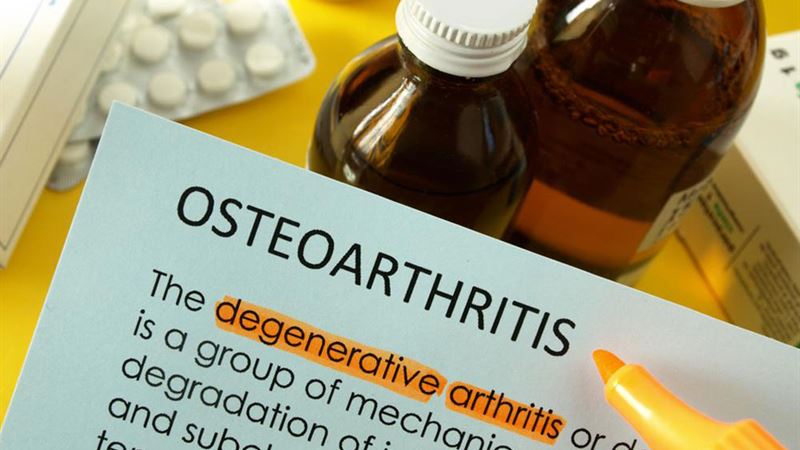
Osteoarthritis is one of the most prevalent joint disorders affecting millions worldwide. It predominantly impacts specific joints and significantly impairs mobility and quality of life. Understanding the nature of osteoarthritis, its causes, symptoms, and how to manage it effectively is essential for those affected. The disease primarily involves deterioration of the cartilage—the smooth, slippery tissue that covers the ends of bones within joints. Cartilage acts as a cushion, facilitating pain-free and efficient movement. When this cartilage wears down or becomes rough, bones start to rub against each other, causing pain, swelling, stiffness, and reduced joint function. This degenerative joint disease often influences the hips, knees, hands—including the fingers and thumbs—the neck, lower back, and the base of the big toe. In this detailed guide, we explore the various treatment options, lifestyle modifications, home remedies, and preventive measures to cope with and possibly reduce the progression of osteoarthritis.
Understanding Osteoarthritis: Causes and Risk Factors
Osteoarthritis develops over time due to a complex interplay of factors. While aging remains the most significant risk factor, other variables also contribute significantly to its onset:- Genetics: Family history of osteoarthritis can predispose individuals to develop the disease.
- Joint Injuries: Past injuries, fractures, or repetitive stress can accelerate cartilage wear and tear.
- Obesity: Excess weight exerts higher pressure on weight-bearing joints like the knees and hips, expediting cartilage breakdown.
- Occupation and Lifestyle: Jobs involving repetitive joint use or heavy physical labor increase risk.
- Joint Anatomy: Abnormal joint structures or misalignments can predispose certain joints to osteoarthritis.
- Gender: Women tend to be more susceptible, especially after menopause due to hormonal changes affecting cartilage health.
Recognizing Symptoms of Osteoarthritis
Early detection of osteoarthritis hinges on understanding its symptoms, which often develop gradually:- Pain: Persistent or intermittent pain during or after joint use.
- Stiffness: Reduced joint mobility, especially in the morning or after periods of inactivity.
- Swelling and Tenderness: Swollen joints that are tender to touch.
- Grating or Crepitus: A sensation or sound of bone rubbing against bone during movement.
- Decreased Range of Motion: Limitations in joint movement affecting daily activities.
- Joint Deformity: Visible changes in joint shape in advanced cases.
Conventional Medical Treatments for Osteoarthritis
Managing osteoarthritis effectively requires a combination of medication, physical therapy, and sometimes surgical intervention. The treatment aims to alleviate symptoms, improve joint function, and slow disease progression.Medications
Medications form the cornerstone of osteoarthritis treatment:- Analgesics: Over-the-counter pain relievers like acetaminophen reduce pain but do not influence disease progression.
- Nonsteroidal Anti-Inflammatory Drugs (NSAIDs): Such as ibuprofen and naproxen, these medications help control pain and reduce inflammation. Extended use should be monitored by a healthcare professional.
- Topical Agents: Creams or gels with capsaicin or NSAIDs applied directly to the joint can relieve localized pain.
- Corticosteroid Injections: For severe inflammation, corticosteroids may be injected into the joint to provide temporary relief.
- Hylauronic Acid Injections: These injections help lubricate the joint, improving mobility in certain cases.
Physical Therapy and Exercise
Targeted physical therapy enhances muscle strength surrounding affected joints, providing better support and reducing strain. Low-impact exercises like swimming, cycling, and walking help maintain joint flexibility and reduce stiffness.Surgical Options
In advanced osteoarthritis cases where conservative treatments fail, surgical options such as joint replacement (arthroplasty), osteotomy, or joint fusion might be considered to restore function and relieve pain.Lifestyle Modifications to Support Joint Health
Lifestyle plays a vital role in managing osteoarthritis:- Weight Management: Reducing excess weight decreases stress on weight-bearing joints, slowing disease progression.
- Balanced Diet: Consuming nutrient-rich foods supports overall joint health. Focus on foods rich in omega-3 fatty acids, antioxidants, and vitamins.
- Regular Exercise: Gentle, low-impact exercises maintain joint function without causing additional damage.
- Adequate Rest: Giving joints adequate recovery time reduces inflammation and discomfort.
- Joint Protection: Using assistive devices and practicing proper ergonomics can prevent further joint damage.
- Avoiding Excessive Repetitive Movements: Taking breaks and varying activities help prevent joint overuse.
Home Remedies and Natural Approaches
In addition to conventional treatments, several home remedies and natural therapies can relieve symptoms and improve quality of life:Thermotherapy
Applying heat or cold packs to affected joints can significantly reduce pain and inflammation. Moist heat, such as warm towels or heating pads, improves circulation and relaxes muscles, providing relief during flare-ups. Cold compresses numb nerve endings, decreasing swelling and dulling pain sensations. It's advisable to alternate between heat and cold for optimal results, following medical guidance on duration and frequency.Epsom Salt Baths
Epsom salt contains magnesium sulfate, which is absorbed through the skin and has anti-inflammatory properties. Taking warm baths with Epsom salts can ease joint pain and reduce swelling. To prepare, add two cups of Epsom salts to warm water at approximately 102°F (39°C). Soaking for about 20-30 minutes allows magnesium absorption, relaxing muscles and alleviating discomfort. Regular Epsom salt baths are safe and can be incorporated into daily routine.Dietary Supplements and Natural Foods
Certain natural foods have been recognized for their anti-inflammatory effects and ability to support joint health:- Green Tea: Rich in polyphenols, green tea exhibits anti-inflammatory and cartilage-protective properties. Regular consumption can help reduce joint swelling and slow disease progression.
- Turmeric: The active compound curcumin in turmeric has potent anti-inflammatory effects. Adding turmeric powder to meals or consuming supplements may help decrease pain and stiffness.
- Ginger: Known for its anti-inflammatory properties, ginger reduces joint pain when consumed regularly. It can be ingested as fresh root, powder, or tea. However, moderation is key to prevent side effects like heartburn or diarrhea.
- Omega-3 Fatty Acids: Found in fatty fish like salmon, mackerel, and sardines, omega-3s help reduce joint inflammation and stiffness.
Additional Natural Remedies
- **Massage Therapy:** Gentle massage with anti-inflammatory oils can relax muscles, improve circulation, and reduce joint stiffness.- **Acupuncture:** Some individuals find relief through acupuncture, which may stimulate nerve endings and promote pain relief.- **Maintaining Good Posture:** Proper posture reduces unnecessary joint stress, particularly in the spine and hips.Preventive Measures and Tips
Prevention is vital to reduce the risk or delay the onset of osteoarthritis:- Maintain a healthy weight to avoid excessive joint stress.
- Engage in regular, low-impact exercise to strengthen muscles and preserve joint flexibility.
- Practice good ergonomics in daily activities to minimize joint strain.
- Avoid joint injuries by using proper equipment and techniques.
- Stay informed about joint health and seek early treatment for joint injuries.
- Consume a diet rich in antioxidants and anti-inflammatory foods.