
Comprehensive Guide to Managing Osteoarthritis: Causes, Symptoms, and Effective Treatment Options
This comprehensive guide explores osteoarthritis in detail, covering causes, symptoms, diagnostic methods, and a wide range of treatment options. From lifestyle changes and medications to surgical procedures, learn how to manage this common joint disease effectively. Early diagnosis and personalized approaches are key to maintaining joint function and enhancing quality of life, especially for aging populations or those with risk factors like obesity and joint injuries.
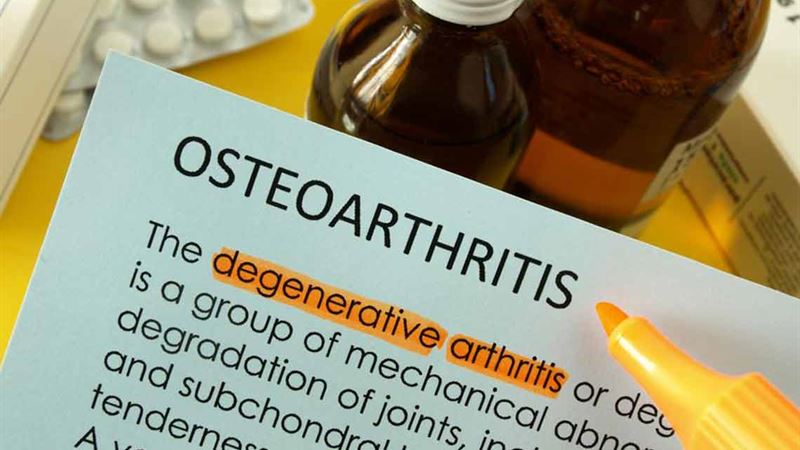
Understanding Osteoarthritis: An In-Depth Overview
Osteoarthritis is a common degenerative joint disease that primarily affects cartilage, the smooth connective tissue cushioning the ends of bones within a joint. Over time, the cartilage deteriorates, leading to pain, stiffness, and reduced mobility. This condition predominantly impacts weight-bearing joints such as the knees, hips, and spine, but can also affect other joints like the fingers and thumbs. As a progressive disorder, early diagnosis and comprehensive management are vital to improve quality of life and prevent further joint damage.
In this extensive guide, we explore the various causes that contribute to osteoarthritis development, identify the key symptoms to watch for, and discuss a wide array of treatment options ranging from lifestyle modifications to advanced surgical interventions. Whether you’re seeking preventative strategies or seeking relief from existing symptoms, understanding osteoarthritis thoroughly can empower you to make informed decisions in consultation with healthcare providers.
What Are the Root Causes of Osteoarthritis?
Osteoarthritis results from a combination of genetic, environmental, and lifestyle factors that accelerate joint wear and tear. Each element plays a role in determining individual risk levels and disease progression stages.
-
Age-Related Changes: The risk of developing osteoarthritis significantly increases with age. Studies show that after 55 years, the cartilage begins to weaken and lose elasticity. This degeneration leads to increased friction between bones, causing pain and stiffness. As the natural regenerative capacity of cartilage diminishes with age, joint damage becomes more pronounced.
-
Gender Disparities: Women tend to experience higher rates of osteoarthritis, especially in the knees and hips. Hormonal changes during menopause may influence cartilage health, making females more susceptible to joint degeneration.
-
Genetic and Hereditary Factors: A family history of osteoarthritis increases susceptibility. Some inherited traits, such as abnormal bone shape or joint alignment, predispose individuals to earlier or more severe disease development.
-
Obesity and Excess Body Weight: Carrying additional weight exerts increased stress on weight-bearing joints, notably the knees, hips, and ankles. Research suggests that obese individuals are two to three times more likely to develop osteoarthritis, as the extra load accelerates cartilage breakdown.
-
Joint Injuries and Repetitive Stress: Past injuries involving fractures or ligament tears can compromise joint integrity, leading to early cartilage deterioration. Repetitive movements and overuse, particularly in athletes or workers with physically demanding jobs, also contribute to joint wear.
-
Biomechanical Abnormalities: Some individuals are born with joint deformities or abnormal bone structures, which result in uneven distribution of stress across the cartilage. Such anomalies heighten the risk of localized joint degeneration.
Recognizing the Key Symptoms of Osteoarthritis
Early detection of osteoarthritis hinges on awareness of its hallmark signs and symptoms. Prompt diagnosis enhances treatment efficacy and can slow disease progression.
-
: The most prevalent symptom, joint pain intensifies during physical activity such as walking, bending, or climbing stairs. Pain tends to subside with rest but may become persistent as the disease advances.
-
Stiffness and Limited Mobility: Stiffness is often most noticeable in the morning or after prolonged periods of inactivity. The affected joint may feel rigid, and movement may be restricted, making everyday tasks challenging.
-
: The joint may appear swollen due to synovial fluid buildup or inflammation of surrounding tissues. The area might feel warm, tender, or painful when touched.
-
: A cracking, grinding, or popping sound during joint movement is characteristic, caused by roughened cartilage surfaces rubbing against each other.
-
: Over time, joints may exhibit deformities or misalignment, especially in advanced cases. Loss of muscle strength around the joint can also be observed.
-
History and Risk Factors: A thorough medical history, including prior injuries and family history, aids in assessing risk and diagnosis.
Diagnosing Osteoarthritis: Tests and Examinations
Accurate diagnosis involves multiple assessments to evaluate joint damage and rule out other conditions.
-
Physical Examination: The doctor will examine the joint for tenderness, swelling, warmth, and range of motion limitations. Specific tests may involve manipulating joints to assess stability.
-
Imaging Techniques: X-ray imaging is the primary diagnostic tool, revealing cartilage loss, bone spurs, and joint space narrowing. Magnetic Resonance Imaging (MRI) provides detailed images of soft tissues, helping to detect cartilage quality and hidden injuries.
-
Laboratory Tests: Blood tests are useful to exclude inflammatory arthritis or other joint-related conditions. Joint fluid analysis can identify the presence of crystals or infections.
Comprehensive Treatments for Osteoarthritis
Managing osteoarthritis requires a multifaceted approach tailored to individual needs. The goal is to reduce pain, maintain joint function, and improve quality of life.
1. Lifestyle Modifications and Home Care
-
Weight Management: Achieving and maintaining a healthy weight reduces undue stress on weight-bearing joints. Even a modest weight loss of 5-10% can significantly decrease knee pain and slow cartilage degeneration.
-
Regular Exercise: Low-impact activities such as swimming, walking, or cycling strengthen muscles surrounding the joint, enhance flexibility, and reduce stiffness. Exercise programs should be customized and carried out under professional guidance.
-
Cold and Warm Therapy: Applying ice packs helps decrease inflammation and swelling, while heat pads ease muscle stiffness and promote blood flow. Alternating between these therapies can provide symptomatic relief.
2. Medical and Non-Surgical Treatments
-
Medications: Over-the-counter drugs like acetaminophen or nonsteroidal anti-inflammatory drugs (NSAIDs) help control pain and inflammation. In some cases, doctors prescribe stronger medications or topical gels.
-
Injections: Corticosteroid injections deliver anti-inflammatory effects directly into the joint, alleviating pain temporarily. Hyaluronic acid injections act as lubricants, improving joint mobility.
-
Orthopedic Supports: Braces, orthotics, and assistive devices reduce joint stress, improve stability, and facilitate daily activities.
3. Advanced and Surgical Options
-
Arthroscopy: A minimally invasive procedure where tiny instruments and a camera are used to clean out damaged tissue, remove bone spurs, or repair cartilage. It’s suitable for early-stage osteoarthritis or specific joint injuries.
-
Joint Replacement Surgery (Arthroplasty): For severe cases, joint replacement involves removing damaged parts and replacing them with artificial components made of metal, plastic, or ceramic. This procedure significantly reduces pain and restores mobility.
-
Osteotomy: This surgical technique involves cutting and realigning bones to redistribute joint stress more evenly, delaying the need for joint replacement.
Always consult healthcare professionals before opting for surgical interventions. A thorough evaluation ensures the most appropriate treatment plan tailored to individual cases.
In conclusion, understanding the multifactorial nature of osteoarthritis is essential for effective management. Combining lifestyle modifications, medical therapies, and surgical interventions when necessary can significantly improve patient outcomes and restore joint health.