
Effective Non-Invasive Strategies for Managing Chronic Back Pain Relief
Discover comprehensive non-surgical methods for managing and alleviating chronic back pain. This detailed guide covers physical therapy, lifestyle adjustments, dietary tips, alternative therapies, and medical options, offering practical advice to help individuals improve their quality of life without surgery. Embrace personalized strategies and professional guidance to overcome chronic back discomfort effectively and sustainably.
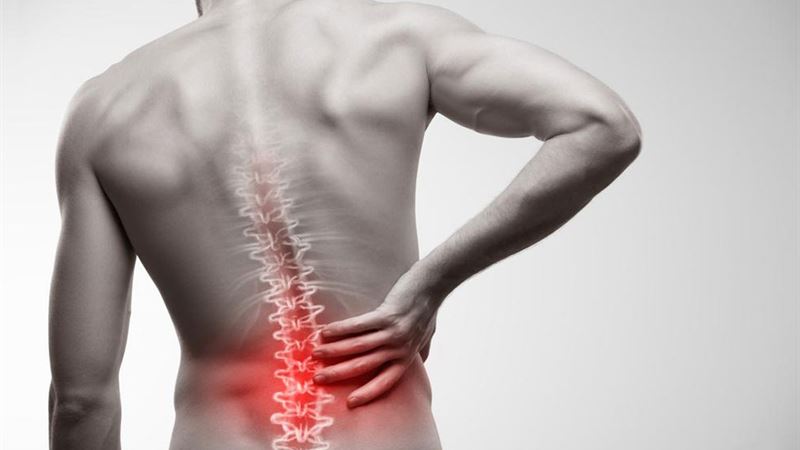
Non-surgical approaches to alleviate persistent back discomfort encompass a variety of treatment options designed to reduce pain and improve quality of life. These methods are especially beneficial for individuals seeking to avoid surgery while managing chronic conditions effectively.
Physical therapy and targeted exercises: Engaging in specific physical activities is often the initial step toward alleviating chronic back pain. Such exercises help strengthen muscles, enhance flexibility, and support spinal health. However, it's crucial that these routines are personalized and supervised by qualified healthcare professionals to ensure safety and effectiveness. A one-size-fits-all approach seldom works because each individual’s condition, pain threshold, and physical capabilities vary significantly. Consistency in performing prescribed exercises at home also plays a vital role in accelerating recovery and maintaining improvements.
Key physical therapy techniques include:
- Assessing pain tolerance levels to tailor the therapy appropriately
- Correcting and retraining posture to reduce strain on the spine
- Incorporating aerobic exercises to promote circulation and overall endurance
- Performing flexibility and stretching routines to ease tension in muscles
- Strengthening core muscles to provide better support for the back and spine
Mindfulness and relaxation practices: Chronic back pain often affects emotional well-being, leading to feelings of depression, irritability, and frustration. To address these psychological impacts, patients may work with rehabilitation psychologists or mental health counselors. Techniques such as meditation, mindfulness, yoga, tai chi, and other relaxation therapies can distract the mind from pain, reduce stress, and improve mental resilience. These strategies are crucial components of a holistic approach to pain management, supporting the body and mind simultaneously.
Dietary modifications: Certain foods can exacerbate inflammation in the body, worsening back pain. Processed foods, trans fats, refined sugars, and high-fat processed snacks should be minimized. Consulting with a healthcare provider or a registered dietitian can help identify dietary habits that contribute to inflammation and pain. Emphasizing anti-inflammatory foods—such as leafy greens, fatty fish rich in omega-3 fatty acids, nuts, seeds, and fruits—may reduce discomfort. Maintaining a healthy weight is also essential, as excess weight increases pressure on the spine, aggravating existing pain and complicating recovery.
Adopting healthy lifestyle habits: Adjusting daily routines to accommodate back health is critical. Patients are advised to listen to their bodies and avoid activities that trigger pain. Small modifications, such as reducing the need to carry heavy bags frequently, taking regular breaks during chores like mowing or cleaning, and practicing proper lifting techniques, can prevent further injury. Quitting smoking is strongly recommended because nicotine impairs blood flow, delays healing, and heightens pain perception. Overall, a proactive approach to lifestyle can significantly reduce pain severity and prevent additional spinal issues.
Injection therapies as a short-term relief measure: For some individuals, targeted injections such as epidural steroid injections, nerve blocks, or nerve ablation procedures may provide temporary relief. These treatments are typically used when the pain source has been identified through diagnostic procedures. While they can diminish pain and inflammation, they do not address the root cause and are not designed as long-term solutions. Repeated injections should be carefully evaluated by healthcare providers to prevent potential adverse effects.
Alternative and complementary therapies: Integrative approaches like laser therapy, biofeedback, massage therapy, acupuncture, and electrical nerve stimulation are gaining popularity for managing chronic back pain. These methods can be used alone or alongside conventional treatments to improve outcomes. Consultation with healthcare professionals experienced in alternative medicine ensures that these therapies are appropriate and safe for individual cases.
Medicinal treatments and considerations: Analgesics, muscle relaxants, and anti-inflammatory medications may provide symptomatic relief but should be used judiciously. Long-term use of medications such as opioids raises concerns due to risks of dependency and side effects. They should not substitute comprehensive treatment plans that target underlying causes. Always seek medical advice and consider second opinions if pain persists despite medication use, ensuring that medications are part of a broader management strategy rather than a sole approach.
In conclusion, a multidisciplinary, non-invasive approach combining physical therapy, mental health strategies, lifestyle changes, and appropriate medical interventions offers the most promising pathway to manage chronic back pain effectively. Patients are encouraged to work closely with healthcare professionals to develop personalized treatment plans, emphasizing prevention, active participation, and behavioral modifications to achieve lasting relief and enhance overall well-being.