
Comprehensive Strategies for Managing Paralysis: Home Remedies and Alternative Therapies
Explore comprehensive management strategies for paralysis, including dietary adjustments, passive and active exercises, mental visualization techniques, and alternative therapies like acupuncture, massage, Tai Chi, yoga, and mirror therapy. Learn how these methods promote neuroplasticity, improve muscle strength, and enhance overall quality of life for individuals affected by paralysis, helping to optimize recovery and independence through a combination of conventional and innovative approaches.
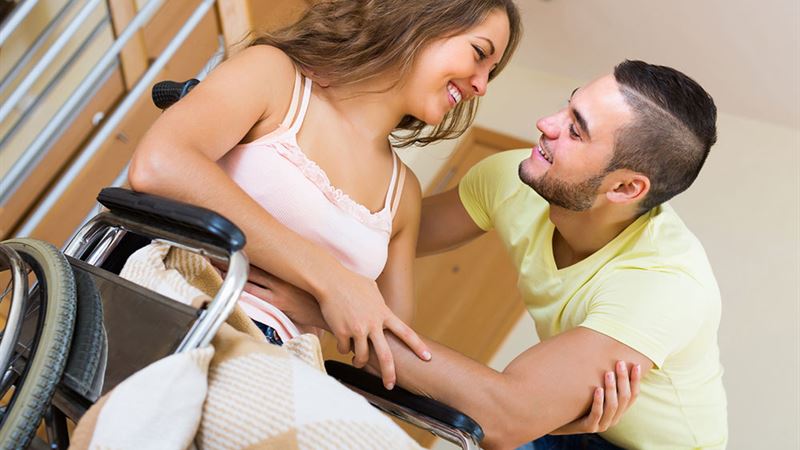
Paralysis presents significant challenges for individuals affected by it, and managing this condition requires a multifaceted approach. While some forms of paralysis are temporary and reversible, others may be chronic, necessitating ongoing care and lifestyle adjustments. The goal of treatment is to improve quality of life, promote recovery, and reduce symptoms. Current management strategies include a combination of home-based remedies, dietary modifications, physical therapy, and innovative alternative therapies. This comprehensive guide delves into practical ways to manage paralysis effectively, emphasizing the importance of lifestyle choices, passive and active exercises, mental practices, and alternative treatment options.
- Adopting a Nutrient-Rich Diet to Support Brain and Nerve Health
Proper nutrition is fundamental for neural repair and overall recovery. Incorporating foods that bolster brain function and nerve regeneration can significantly impact paralysis management. Emphasizing a diet rich in omega-3 fatty acids, antioxidants, vitamins, and proteins provides essential substrates for neural repair processes. These nutrients support the plasticity of the brain and aid in neuroscience-based recovery strategies. For instance, consuming oily fish such as salmon, mackerel, and sardines is highly recommended due to their abundant omega-3 fatty acids, particularly EPA and DHA, which have been associated with reduced inflammation and enhanced neural repair. Nuts like walnuts, seeds such as chia and flaxseed, and plant oils like olive oil and avocado oil are also rich sources of healthy fats that support membrane health and signal transduction in neurons.
- Engaging in Passive and Assisted Exercises
Physical activity plays a pivotal role in rehabilitation for paralysis, especially when dealing with muscle weakness or spasticity. Passive exercises are particularly beneficial when voluntary movement is limited. During passive therapy, a trained therapist, caregiver, or specialized devices move the affected limbs through a series of gentle movements. These exercises stimulate nerve pathways, promote neuroplasticity, and help prevent joint contractures. Over time, passive exercises can inspire active movement as muscles begin to regain strength and coordination. Techniques such as range-of-motion stretching, muscle mobilization, and neuromuscular electrical stimulation help facilitate muscle re-engagement and improve the patient's mobility and independence. Regular sessions with physical therapists tailored to individual needs can optimize outcomes and build foundational strength for transitioning toward active exercises.
- Harnessing the Power of Mental Imagery and Visualization
In recent years, mental imagery has gained recognition as an effective adjunct therapy for paralysis recovery. This technique involves vividly visualizing moving the affected limbs or performing specific motor tasks without actual physical movement. Mental practice activates similar neural circuits as physical movement, which can refresh neural pathways compromised by injury or stroke. When combined with physical therapy, mental imagery reinforces neural rewiring, leading to improved motor control and functional recovery. Patients are encouraged to imagine performing daily activities, such as walking or grasping objects, which can accelerate neuroplasticity and improve motor outcomes. Incorporation of mental imagery into rehabilitation routines offers a low-cost, accessible method to complement traditional therapies and foster brain reorganization.
- Exploring Alternative Therapeutic Modalities
Aside from conventional treatments, various alternative therapies have demonstrated promising results in managing paralysis symptoms and promoting recovery. These therapies often complement standard care and can enhance overall well-being. Notable options include:
- Acupuncture
Rooted in traditional Chinese medicine, acupuncture involves inserting fine needles into specific body points to stimulate nerve pathways. Research indicates that acupuncture can help mitigate spasticity, improve circulation, reduce pain, and promote neuroplasticity in stroke and paralysis patients. Regular sessions may contribute to better motor function and cognitive clarity.
- Massage Therapy
Therapeutic massage techniques, such as Tui Na or gentle Swedish massage, can relax tense muscles, reduce spasticity, and improve circulation. When combined with physical therapy, massage enhances motor recovery and alleviates discomfort associated with paralysis.
- Tai Chi and Qigong
This ancient Chinese practice emphasizes slow, deliberate movements combined with breathing and mental focus. Studies have shown that practicing Tai Chi can improve balance, coordination, and mental health in individuals with paralysis, helping to regain some of their lost motor functions while supporting emotional resilience.
- Yoga
Yoga provides a holistic approach, combining physical postures, breathing exercises, and meditation. For paralysis management, adapted yoga routines can enhance flexibility, strengthen muscles, and improve proprioception. Additionally, yoga promotes mental clarity and emotional stability, which are crucial during rehabilitation.
- Mirror Therapy
This innovative approach employs a mirror to create visual illusions of movement in the affected limb. Patients perform movements with their unaffected limb while observing the reflection, tricking the brain into perceiving movement in the paralyzed limb. This visual feedback stimulates neural pathways, encouraging neuroplasticity and functional recovery of motor skills, especially in hand paralysis cases.
Paralysis management is multifaceted, requiring a combination of dietary, physical, mental, and alternative therapies tailored to individual needs. While complete recovery may not always be possible, these strategies can significantly enhance mobility, reduce symptoms, and improve quality of life. Consulting healthcare professionals to develop personalized treatment plans ensures the most effective and safe approaches to recovery. Staying proactive, motivated, and consistent in applying these remedies and therapies can make a meaningful difference in the journey toward regaining independence and optimal function.