
Understanding Non-Small Cell Lung Cancer: Causes, Symptoms, and Comprehensive Treatment Options
Explore comprehensive insights into non-small cell lung cancer, including its causes, early symptoms, modern diagnostic methods, and the latest treatment options. Empower yourself with knowledge to promote early diagnosis and personalized treatment for better outcomes and quality of life.
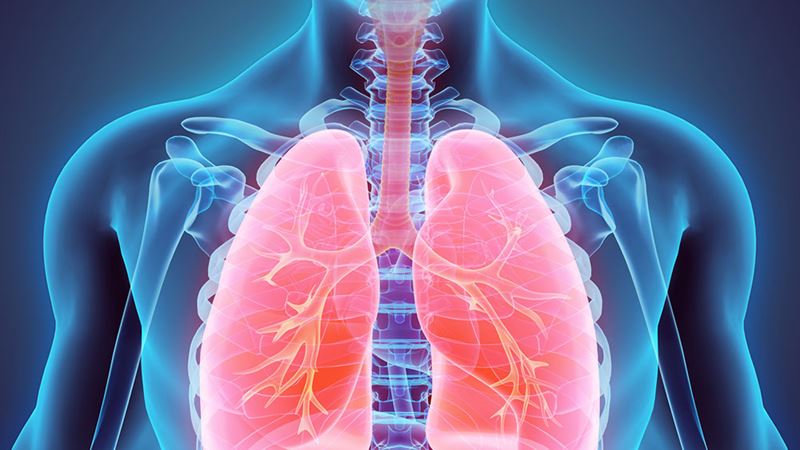
Unlike small cell lung cancer, which tends to grow rapidly and metastasize quickly, NSCLC generally progresses at a slower rate, offering a slightly wider window for diagnosis and intervention. However, due to its subtle early symptoms, many cases remain undetected until the disease has advanced significantly. This underscores the importance of awareness and regular screening, especially among high-risk groups such as smokers and individuals exposed to certain environmental toxins.
**Causes and Risk Factors for NSCLC**
Numerous factors contribute to the development of non-small cell lung cancer, with smoking remaining the leading cause. Tobacco smoke contains carcinogens that directly damage lung tissue DNA, triggering mutations that lead to cancerous growth. Both active smokers and those exposed to secondhand smoke face increased risks. Additionally, exposure to environmental elements such as radon gas, asbestos fibers, air pollution, certain metals, and mineral dust can significantly elevate the risk of developing NSCLC. Genetic predisposition also plays a role; individuals with a family history of lung cancer have a higher probability of developing the disease. Other factors include prior radiation therapy to the chest and chronic lung diseases like COPD, which can create a conducive environment for cancer formation.
**Different Subtypes of NSCLC**
- Adenocarcinoma: The most prevalent NSCLC subtype, often found in the outer regions of the lungs. It is more common among non-smokers and women.
- Squamous Cell Carcinoma: Typically arises in the central parts of the lungs near the bronchial tubes, closely associated with smoking.
- Large Cell Carcinoma: An aggressive form that can develop anywhere in the lung, characterized by large, abnormal-looking cells.
- Sarcomatoid Carcinoma: A rarer, more aggressive subtype that exhibits features of both carcinoma and sarcoma.
The prognosis and treatment approaches vary depending on the subtype and stage of cancer at diagnosis. Often, accurate classification through biopsy and imaging helps tailor effective treatment strategies.
Symptoms of Non-Small Cell Lung Cancer
Detecting NSCLC early is challenging because it frequently remains asymptomatic during initial stages. When symptoms do appear, they are often mistaken for benign respiratory illnesses such as bronchitis, pneumonia, or asthma, contributing to delayed diagnosis. Recognizing persistent and unexplained respiratory issues is crucial for early detection and improving outcomes.
Common symptoms include:
- Persistent Cough: A cough that persists over weeks or worsens over time, not associated with common infections, is a critical indicator.
- Chest Discomfort: Pain or tightness in the chest, often increasing with deep breaths or coughing, can be a sign of tumor growth.
- Voice Changes: Hoarseness or raspy voice may occur when the tumor affects the vocal cords or nearby nerves.
- Breathing Difficulties: Shortness of breath, wheezing, or noisy breathing result from airway obstruction or lung tissue damage.
- Unexplained Weight Loss: Sudden loss of weight with no clear cause often indicates advanced cancer.
- Fatigue and Weakness: Persistent tiredness results from decreased oxygen intake or systemic effects of malignancy.
- Recurrent Respiratory Infections: Long-lasting cases of bronchitis or pneumonia that don't respond to treatment could signify underlying cancer.
As the disease progresses, additional symptoms may include bone pain, headaches, dizziness, jaundice, or numbness, indicating metastasis to other parts of the body.
Diagnosis and Modern Evaluation Techniques
Diagnosing NSCLC involves a combination of detailed medical history assessment, physical examination, and a series of advanced imaging tests. Chest X-rays may reveal abnormal shadows in the lungs, prompting further investigation. For more precise assessment, CT scans help visualize tumor size, location, and potential spread. MRI scans improve soft tissue visualization, especially in detecting brain metastasis. PET scans are valuable in determining the activity level of cancer cells and staging the disease accurately.
Cytological examinations, such as sputum analysis, can detect cancer cells shed into mucus coughed up from the lungs. Additionally, minimally invasive procedures like bronchoscopy allow for direct visualization of the airways and collection of tissue biopsies. Fine-needle aspiration biopsies provide a definitive diagnosis by extracting small tissue samples from suspicious areas. Advanced molecular testing on biopsy specimens helps identify specific genetic mutations, such as EGFR, ALK, or ROS1, which influence targeted therapy options.
**Treatment Strategies for NSCLC**
Managing non-small cell lung cancer requires a personalized approach based on the tumor stage, genetic profile, patient health status, and preferences. Treatment options span several modalities, often used in combination to maximize effectiveness:
- Surgery: Surgical resection remains the primary treatment for early-stage NSCLC. Depending on tumor size and location, procedures like lobectomy, pneumonectomy, or wedge resection can be performed. Complete removal of the tumor offers the best chance for cure when detected early.
- Radiation Therapy: High-energy radiation targets residual cancer cells post-surgery or as a primary treatment for patients unable to undergo surgery. Stereotactic body radiation therapy (SBRT) delivers precise, high-dose radiation to tumors with minimal damage to surrounding tissue.
- Chemotherapy: Chemotherapy uses potent drugs to kill cancer cells that cannot be surgically removed or when cancer has metastasized. Common agents include platinum-based compounds like cisplatin or carboplatin combined with other drugs.
- Targeted Therapy: Advances in molecular biology have led to targeted treatments that inhibit specific genetic mutations driving cancer growth. Drugs like EGFR inhibitors (e.g., erlotinib), ALK inhibitors (e.g., crizotinib), and ROS1 inhibitors are now standard components of personalized NSCLC treatment.
- Immunotherapy: Immune checkpoint inhibitors, such as pembrolizumab and nivolumab, enhance the body’s immune response against cancer cells. This approach has shown promising results, especially in advanced NSCLC with high PD-L1 expression.
- Laser Photodynamic Therapy: This innovative approach involves using light-sensitive agents and laser light to selectively destroy tumor cells, often used for palliative purposes or when other treatments are unsuitable.
Supportive therapies to manage symptoms and maintain quality of life include pain management, oxygen therapy, nutritional support, and psychological counseling. Managing side effects of treatment is crucial for adherence and overall prognosis.
**The Importance of Early Detection and Vigilance**
Because early symptoms of NSCLC are subtle and often overlap with other respiratory conditions, awareness and proactive healthcare are critical. Regular screening, especially for high-risk populations such as long-term smokers or exposure victims, can lead to early diagnosis and improved survival rates. If you experience persistent coughs, unexplained weight loss, or breathing difficulties, consult a healthcare professional promptly for evaluation.
In conclusion, understanding the causes, recognizing the symptoms early, and adopting a multidisciplinary treatment strategy are essential in the fight against NSCLC. Advances in imaging, molecular profiling, and targeted therapies continue to improve patient outcomes, emphasizing the importance of personalized treatment plans and ongoing research.