
Comprehensive Guide to Recognizing and Managing Metastatic Lung Cancer
This extensive guide explores how lung cancer metastasizes, highlighting symptoms in different organs, diagnostic methods, and advanced treatment options. Early detection is vital for effective management, and understanding metastasis can help improve patient outcomes through timely intervention and personalized therapies.
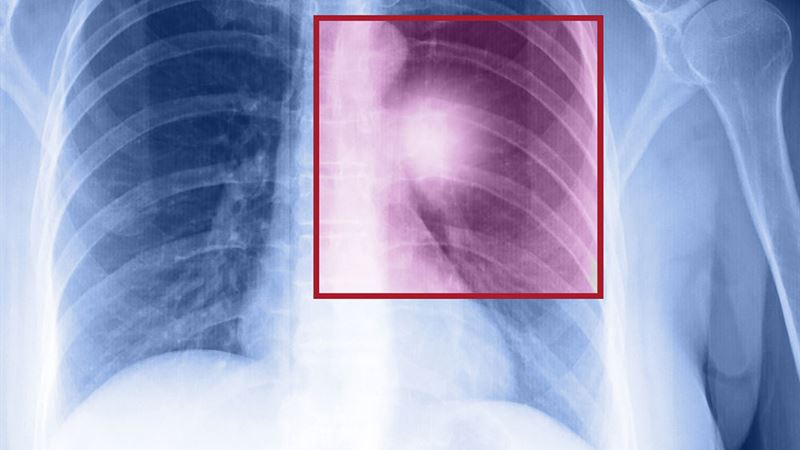
Metastatic lung cancer, also known as stage IV lung cancer, presents unique challenges in detection and management. Its silent progression often leads to late diagnosis, which impacts prognosis. The cancer cells disseminate through the bloodstream or lymphatic system, establishing secondary tumors in various parts of the body. This process underscores the aggressive nature of lung cancer and its ability to invade multiple organs.
Signs and Symptoms of Metastatic Lung Cancer
Recognizing the symptoms associated with metastatic lung cancer hinges on understanding where the cancer has spread. Symptoms can vary significantly based on the affected organ, and often they mimic other less serious conditions, complicating early diagnosis. Below, we delve into the common signs associated with metastasis in different organs:- Bone Metastases
Approximately 40% of lung cancer patients develop secondary bone tumors. Symptoms include persistent pain that worsens with activity or rest, swelling, and tenderness. As the bones become weaker, patients are at an increased risk of fractures, fractures that can occur with minor trauma. The pain might be localized or diffuse, and in advanced cases, it can lead to spinal cord compression or neurological deficits. - Brain Involvement
Non-small cell lung carcinoma (NSCLC) accounts for over 80% of lung cancer cases worldwide. Of these, 20-40% may develop brain metastases over the disease course. Symptoms can include frequent headaches, seizures, vision disturbances, confusion, weakness, and nausea. These neurological symptoms often indicate significant brain involvement and require urgent investigation. - Lymph Node Enlargement
Cancer spreading to lymph nodes presents as swelling in the neck, armpits, or abdomen. Such enlargement can be detected through physical examination but may also be caused by infections or other benign conditions. Persistent lymphadenopathy in at-risk populations warrants further evaluation for metastasis. - Liver Symptoms
When lung cancer spreads to the liver, signs include distressing symptoms like loss of appetite, nausea, abdominal pain, especially beneath the right ribs, and jaundice. Jaundice manifests as yellowing of the skin and sclera, indicating liver involvement and impaired bile processing. - Adrenal Gland Invasion
Metastasis to adrenal glands often presents with subtle symptoms such as fatigue, weakness, and weight loss. Since adrenal involvement frequently occurs without overt symptoms, diagnosis often relies on imaging studies rather than clinical presentation alone.
Diagnostic Approaches for Metastatic Lung Cancer
Early identification of metastatic disease is critical for optimal management. When suspicion arises based on clinical signs or imaging, a series of diagnostic procedures are employed to confirm metastasis:- Chest X-ray
This non-invasive imaging provides a broad view of the lungs and can identify abnormalities suggestive of metastases. - Computed Tomography (CT) Scan
Offers detailed cross-sectional images, allowing precise assessment of tumor size, location, and spread to adjacent structures or distant organs. - Biopsy Procedures
Techniques such as lung needle biopsy enable pathological examination of tissue samples to confirm malignancy and define the cancer subtype. - Bronchoscopy
Allowing direct visualization of the respiratory passages, this procedure helps in obtaining tissue samples and assessing airway invasion. - Additional Tests
Blood tests, MRI scans, bone scans, and ultrasounds complement initial assessments, helping to map the extent of metastasis.
Treatment Strategies for Metastatic Lung Cancer
Goals of treatment are palliative—aimed at controlling symptoms, slowing disease progression, and improving quality of life. The specific approach depends on patient health, extent of spread, and tumor characteristics. Key treatment modalities include:- Chemotherapy
The frontline treatment for advanced metastatic lung cancer, chemotherapy utilizes potent drugs to target and destroy rapidly dividing cancer cells throughout the body. While often effective, it may cause side effects such as fatigue, hair loss, and nausea. - Targeted Therapy and Immunotherapy
Personalized treatments, including agents that target specific genetic mutations or enhance the immune response, have shown promising results for certain lung cancer subtypes. - Radiation Therapy
High-energy beams are used to shrink tumors and alleviate symptoms, especially when metastasis is confined to a specific region like the brain or bones. - Laser Therapy
Employed to remove obstructions in airway passages caused by tumors, improving breathing and reducing blockages. - Surgical Options
In select cases, removing isolated metastatic tumors can be beneficial, particularly when combined with systemic treatments.
Despite its severity, early detection and comprehensive treatment can significantly improve outcomes. Patients with known primary lung cancer should adhere to regular follow-ups and report new symptoms promptly to medical professionals. Continued research and advances in targeted therapies are poised to offer better management options in the future.