
Essential Tips to Prevent Common Infant Skin Problems for a Healthy, Glowing Baby Skin
Discover effective strategies to prevent and manage common infant skin conditions such as baby acne, diaper rash, cradle cap, and heat rash. This comprehensive guide covers causes, prevention tips, and treatments, helping parents keep their baby's delicate skin healthy, soft, and irritation-free during those crucial first months of life.
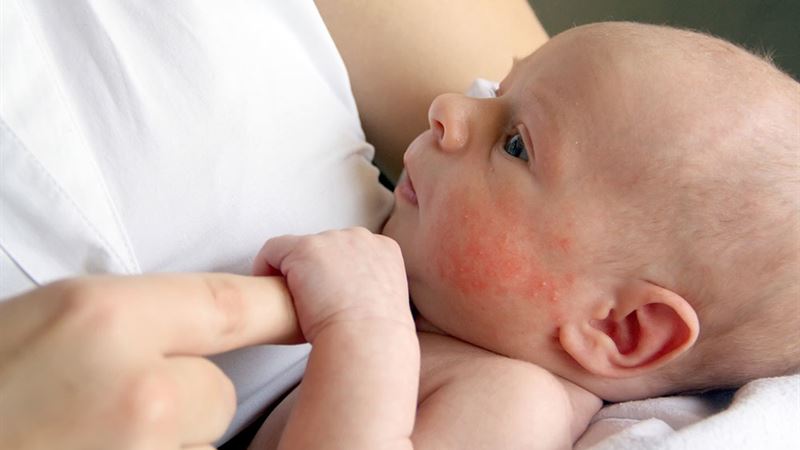
Ensuring your newborn's skin remains pristine and healthy is a priority for every parent. Newborns often develop various skin issues during the first few weeks or months of life, which can be concerning but are generally manageable with proper care. Many of these problems are temporary and resolve on their own, but understanding their causes and prevention strategies can help you provide optimal skin care for your baby. In this comprehensive guide, we'll explore the common infant skin conditions, their causes, prevention techniques, and effective treatments to keep your baby's skin smooth, soft, and free from irritation. **Understanding Infant Skin Conditions** Newborn skin is delicate and still developing, making it particularly vulnerable to a variety of skin issues. While many conditions are benign and fleeting, some require routine care or medical attention. Recognizing early signs and understanding preventive measures can ensure your baby's skin stays as healthy as possible. **Common Infant Skin Conditions and Their Prevention** 1. Baby Acne Baby acne is a common skin condition that manifests as small red or white bumps on a baby's face, typically around the cheeks, nose, and forehead. It can appear at birth or develop within the first few weeks. Although the exact cause remains unknown, hormonal influences from the mother or infant are believed to stimulate the sebaceous glands, leading to acne outbreaks. Preventive Measures: - Maintain gentle skin cleansing by washing your baby’s face with water two to three times daily. - Avoid using medicated soaps or creams unless prescribed by a pediatrician. - Refrain from squeezing or scratching the bumps, which can worsen irritation or cause infection. Treatment: - Usually, baby acne resolves naturally within a few weeks without intervention. - Pat your baby’s face dry gently after washing. - If the acne persists or seems to worsen, consult your pediatrician for guidance. 2. Diaper Rash Diaper rash is a widespread concern characterized by redness, soreness, and irritation on a baby’s sensitive skin in the diaper area. It results from prolonged exposure to moisture, friction, and irritation from urine and feces. Prevention Strategies: - Change diapers promptly to keep the area dry. - Use a barrier ointment or cream containing zinc oxide during each diaper change. - Wash the diaper area gently with water and avoid wipes containing alcohol or fragrances. - Allow the skin to breathe by giving your baby some diaper-free time. Treatment: - Keep the area clean and dry. - Avoid tight-fitting diapers. - For persistent rash, consult your pediatrician before applying medicated creams. 3. Cradle Cap Cradle cap appears as greasy, yellowish or white flakes on a baby’s scalp. It is common during the first few months due to overproduction of oil by sebaceous glands around the hair follicles. While it may look uncomfortable, it’s usually harmless. Prevention and Care: - Gently wash the baby's scalp with a mild baby shampoo every day. - Use a soft brush to loosen flakes, but do not scratch or pick. - Avoid over-washing, which can irritate the scalp. - In stubborn cases, applying a small amount of mineral oil can help loosen the scales, but always consult a pediatrician before use. 4. Heat Rash Heat rash, also known as prickly heat, appears as tiny red bumps or spots that can be itchy or prickly. It occurs when sweat glands become clogged, trapping sweat beneath the skin, especially during hot weather. Prevention and Treatment: - Dress your baby in lightweight, breathable clothing. - Keep indoor environments cool and well-ventilated. - Offer cool baths to soothe irritated skin. - Avoid applying powders or lotions that may block sweat glands. - If redness or discomfort persists, seek advice from your pediatrician. **Additional Tips for Infant Skin Care** - Always use mild, dermatologist-approved baby skin products. - Keep your baby’s skin moisturized with gentle, fragrance-free lotions. - Avoid exposing your baby’s skin to excessive heat, cold, or harsh sunlight. - Ensure clothing and bedding are clean and breathable. - Monitor skin conditions and seek professional advice when in doubt. **Wrapping Up** Caring for a newborn's skin involves understanding common issues and adopting preventive routines. Most infant skin problems like baby acne, diaper rash, cradle cap, and heat rash are temporary and can be managed with simple at-home care. Maintaining cleanliness, choosing gentle products, and acting promptly at signs of discomfort help in promoting a healthy skin barrier for your baby. Always consult your pediatrician for persistent or severe skin issues to ensure your little one’s comfort and well-being. With proper care, your baby's skin will remain soft, healthy, and radiant, providing a perfect foundation for healthy growth and development.