
Comprehensive Guide to Managing and Treating Baby Skin Rashes Effectively
Learn expert-approved methods to effectively treat and soothe common skin rashes in babies. This comprehensive guide covers diaper rash prevention, handling dry skin, and managing heat rash with practical advice suitable for new parents. Discover how gentle skincare routines and timely interventions can promote healthy skin development in infants, ensuring their comfort and happiness. From natural remedies to when to see a doctor, get all the essential information for your little one's delicate skin care today.
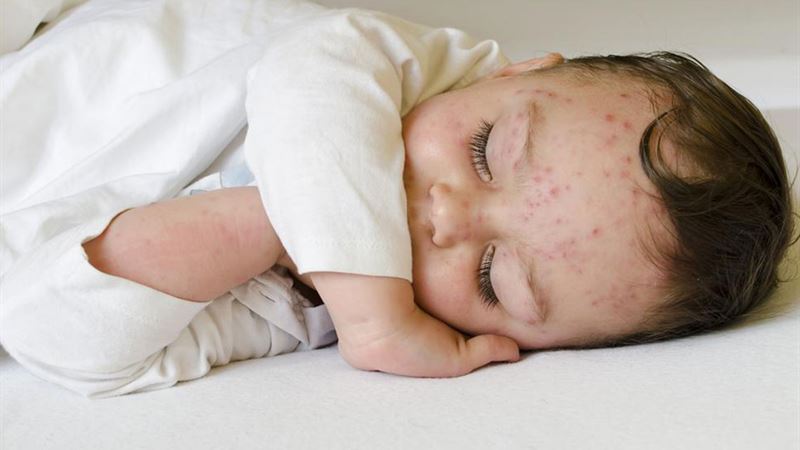
Dealing with skin rashes in infants can be a challenging experience for new parents. Understanding the causes and appropriate remedies is vital to ensure your baby's comfort and skin health. From common diaper rashes to dry skin and heat rash, this comprehensive guide provides essential tips and proven solutions to soothe and treat these skin conditions effectively. Proper identification and timely treatment can prevent complications and promote healthy skin development in your little one.
One of the simplest yet most effective remedies for diaper rash or irritation is to apply a barrier ointment or petroleum jelly around the affected area each time you change your baby's diaper. This protective layer helps prevent moisture accumulation and reduces irritation. Consistent use of such products can accelerate healing and prevent the rashes from worsening.
Common Skin Conditions in Babies and Their Treatment
- Pimples and Whiteheads
- Dry Skin
- Heat Rash
Additional Tips for Skin Care
Maintaining optimal skin health involves regular gentle cleansing, suitable hydration, and avoiding irritants such as harsh soaps or fragrances. If skin rashes persist, worsen, or are accompanied by other symptoms like fever or swelling, consult a pediatrician promptly. Proper skincare routines and awareness can make a significant difference in managing common neonatal skin issues.