
Effective Strategies for Managing and Treating Infant Eczema with Appropriate Skincare Solutions
Discover effective methods to manage and treat infant eczema through gentle skincare, environmental adjustments, and medical guidance. Learn how to prevent flare-ups, identify symptoms early, and choose the right creams and remedies to keep your baby's skin healthy and comfortable. This comprehensive guide offers practical tips and treatment options for parents seeking to improve their child's skin condition and overall well-being.
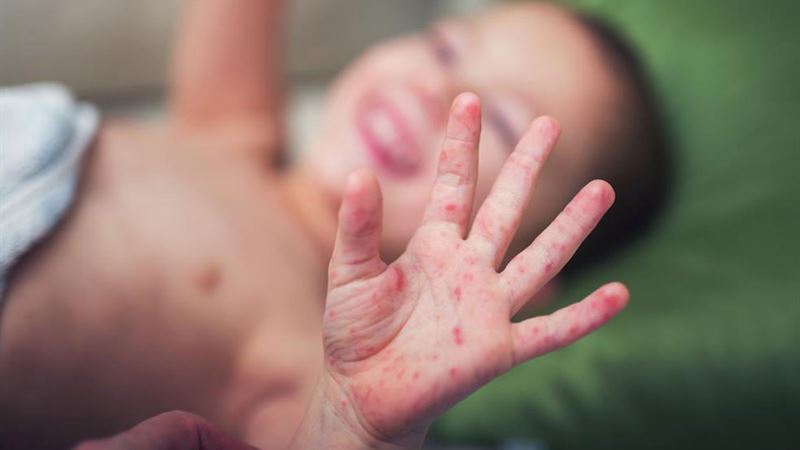
Infant eczema, also known as atopic dermatitis, is a common skin condition that affects many babies globally. It manifests as dry, itchy, and inflamed skin, often leading to discomfort and sleep disturbances for your little one. While the exact cause of baby eczema remains unknown, several factors can trigger flare-ups, including skin irritants, allergies, and environmental conditions. Understanding the underlying causes and adopting appropriate skincare routines can significantly help in managing this chronic condition, improving your child's quality of life.
Understanding the Causes and Risk Factors of Baby Eczema
The precise origins of infant eczema are not definitively known. Nonetheless, medical research suggests that a combination of genetic and environmental factors contributes to its development. Babies with a family history of allergies, asthma, or hay fever are at a higher risk of developing eczema. Several external influences can worsen the condition, including exposure to harsh chemicals in soaps, detergents, and skincare products. These irritants can inflame sensitive skin, aggravating eczema symptoms.
Environmental factors such as dry air, cold weather, or excessive bathing can also compromise the skin's natural barrier, leading to increased dryness and susceptibility to infections. Furthermore, certain foods, pollutants, and allergens can act as triggers. Recognizing these risk factors and implementing preventive measures can help mitigate flare-ups and promote healthier skin for your baby.
Identifying and Managing Baby Eczema Symptoms
Common signs of eczema in infants include patches of dry, rough, or cracked skin, often appearing on the cheeks, arms, legs, or around the neck. These patches may become inflamed, red, and itchy, causing your baby to scratch intensely. Persistent itching can lead to broken skin, open sores, and even bacterial infections if not properly managed.
It's essential to observe your baby's skin regularly and monitor for signs of worsening symptoms such as increased redness, swelling, oozing, or yellowish crusting. If these symptoms occur, prompt consultation with a healthcare professional is vital. Early intervention prevents the condition from worsening and reduces discomfort.
Effective Treatment Approaches for Baby Eczema
Managing infant eczema involves a combination of skincare routines, medication, and lifestyle modifications. The primary goal is to soothe the skin, reduce inflammation, and prevent flare-ups. The cornerstone of treatment is the use of appropriate emollients or moisturizers designed specifically for babies.
Emollients help restore the skin's moisture barrier, making it less prone to dryness and irritation. They can be applied multiple times daily—especially after bathing—to lock in hydration. Products free from fragrances, dyes, and harsh chemicals are best suited for sensitive baby skin.
When inflammation is significant, a healthcare provider may prescribe a mild topical steroid cream. These are effective in reducing redness and itching but must be used carefully and under medical supervision to prevent skin thinning or other side effects. Do not overuse steroid creams; follow your doctor's instructions meticulously.
Alternatives such as non-steroidal anti-inflammatory creams or ointments containing calcineurin inhibitors can be considered for long-term control. For cases where bacterial infection occurs, your doctor might recommend topical or oral antibiotics.
Home Remedies and Non-Pharmacological Treatments
In milder cases, home remedies can help soothe irritated skin. Lukewarm baths with gentle, fragrance-free cleansers help hydrate the skin and alleviate itching. After bathing, gently pat your baby dry and apply a thick layer of emollient to lock in moisture.
Dry wrapping, involving applying moisturizer and then covering the affected area with a damp bandage followed by a dry covering, can enhance the absorption of creams and provide relief. Ensuring environmental humidity is adequate by using humidifiers can prevent skin from becoming excessively dry.
Avoid exposure to known irritants like harsh soaps, chemical detergents, and synthetic fabrics. Opt for soft, breathable clothing made of natural fibers such as cotton. Regularly trim your child's nails to prevent scratching that can worsen skin damage and open avenues for infection.
Additional Tips for Managing and Preventing Infant Eczema
To reduce the frequency or severity of eczema flare-ups, consider the following preventive measures:
- Exclusive breastfeeding for at least 4 to 6 months can strengthen your baby’s immune system and support healthy skin development.
- Eliminating cow's milk from your child's diet might be necessary if allergy-related factors are suspected. Consult with your pediatrician before making dietary changes.
- Introducing probiotics through foods like yogurt or supplements can help balance gut bacteria and potentially reduce eczema severity.
- Ensure your baby wears light, breathable cotton clothing and that bedding is kept cool and hygienic to prevent overheating and sweating, which can trigger flares.
- Maintain a clean environment and avoid contact with individuals suffering from contagious skin infections like cold sores or herpes, as these can exacerbate skin conditions.
Recognizing the genetic component is crucial. Children with a family history of allergies or eczema are more prone to developing the condition. Strengthening the skin barrier through proper skincare, diet, and environmental management plays a vital role in prevention.
When to Seek Medical Help
If your baby shows signs of worsening eczema, such as significant swelling, crusted blisters filled with pus, or if the skin becomes excessively cracked and bleeding, immediate medical consultation is essential. Antibiotics may be necessary to treat secondary bacterial infections. Persistent itching and discomfort can also impact your child's sleep and overall well-being, making timely medical intervention critical.
In summary, managing infant eczema requires a comprehensive approach that emphasizes gentle skin care, environmental management, and medical consultation when needed. With proper strategies, you can significantly alleviate your baby's discomfort, support healthy skin development, and prevent future flare-ups, ensuring your child's comfort and happiness.